
A 2020 Honda Civic listed at $16,500 in July will typically sell for around $15,200 in January—an 8% drop for the exact same vehicle. That’s not a sale. That’s seasonal reality.
The short answer
Used car prices by season follow a predictable pattern: lowest in January–February (winter trough), highest in May–August (summer peak). You’ll save 5–15% buying a car in winter in most markets, but the discount shrinks or disappears entirely for high-demand winter vehicles (AWD SUVs, trucks) and in northern regions where those vehicles are actually in season.
The price data: what winter actually saves you
Seasonal price swings in used cars are consistent, but the size of the discount depends on what you’re buying and where you’re buying it. Edmunds and Kelley Blue Book track these shifts closely.
January–February is the annual pricing floor. Dealer lots are full from end-of-year trade-ins, foot traffic is down, and carrying costs (lot maintenance, financing inventory) create pressure to move stock. The result: negotiating leverage shifts to the buyer.
May–August is peak season. Tax refunds hit in spring, summer road trips drive demand, and weather makes car shopping easier. Dealers know it. Prices climb.
September–October sits in the middle. Back-to-school buying and pre-winter urgency (in cold-weather states) keep demand steady, but it’s nowhere near summer levels.
Here’s what that looks like in practice, using industry transaction data from 2024–2025:
- 2020 Honda Civic (sedan): $16,500 summer → $15,200 winter (8% drop)
- 2019 Toyota RAV4 (AWD): $18,900 summer → $18,500 winter (2% drop)
- 2018 Jeep Wrangler (4WD): Often holds steady or increases in northern regions November–February
The Civic discount is straightforward: sedans see low winter demand everywhere. The RAV4 discount is smaller because AWD crossovers have year-round appeal. The Wrangler behavior is the tell—some vehicles are not off-season in winter.
Regional variation: where you buy changes the math

This is where most “buy in winter” advice falls apart. Off-season pricing assumes weak demand, but winter doesn’t mean weak demand everywhere.
Southern and Sun Belt states (Arizona, Texas, Florida, Southern California): Winter is the true off-season. No snow, no salt, no cultural urgency. All vehicle types—sedans, SUVs, trucks—see steeper discounts, often 10–18% between summer highs and winter lows. If you’re in Phoenix, January is your month.
Northern snow-state markets (Minnesota, Michigan, upstate New York, Vermont): Winter discounts apply mainly to rear-wheel-drive sedans and coupes. AWD SUVs, crossovers, and trucks hold value or increase in price as buyers prepare for winter driving. A Subaru Outback in Burlington in January is not discounted. It’s in-season.
Regional pricing analysis shows this split clearly: northern-tier states see winter discounts 3–8 percentage points smaller than southern states for the same vehicle. Geography is pricing.
If you live in a cold-weather state and need AWD or 4WD, you’re not shopping off-season in winter. You’re shopping in season alongside everyone else who just watched the first snowfall.
The inventory trade-off: fewer choices, older stock
Lower prices in winter come with a cost most buyers don’t think about until they’re on the lot: selection shrinks and the vehicles you do find have been sitting longer.
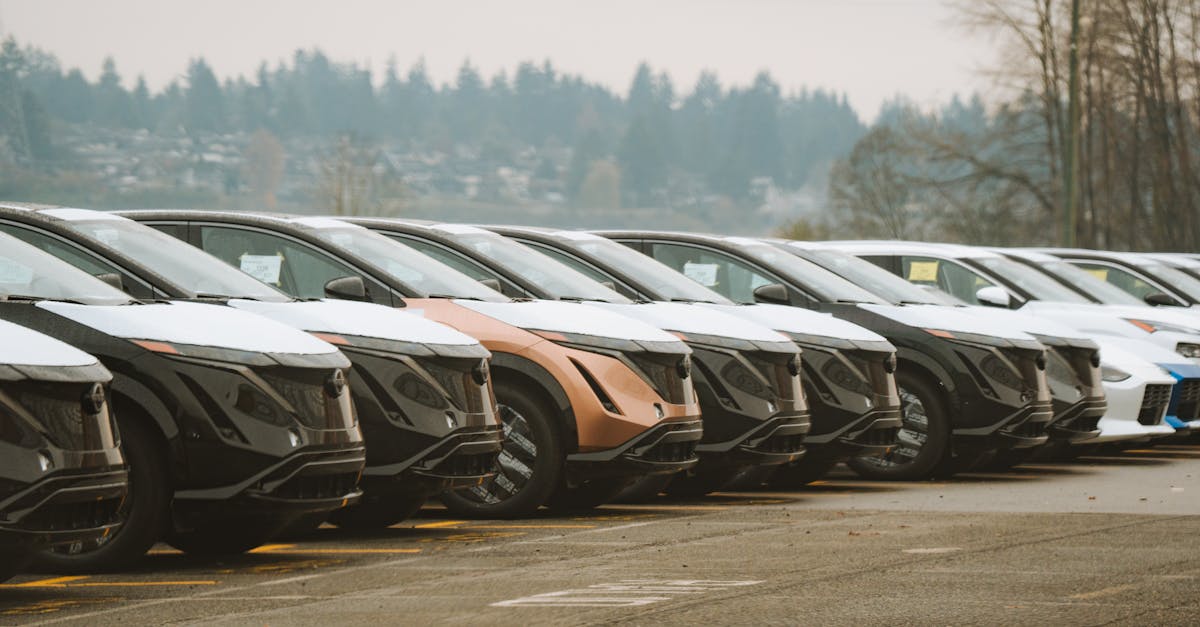
Dealer inventory drops significantly in winter—often 30–45% fewer units compared to peak summer. Fewer units means fewer trim levels, fewer color options, and a higher chance you’ll settle for “close enough” instead of the exact vehicle you wanted.
Older inventory clusters in winter. If a car has been on the lot for six months, it’s still there in January because it didn’t sell in the high-demand window. Sometimes that’s because of price. Sometimes it’s because of deferred maintenance, cosmetic damage, or flood/salt history that turned off earlier buyers. The discount you’re seeing may reflect that reality, not just seasonal timing.
In cold-weather states, pay special attention to undercarriage rust and salt damage on winter-lot inventory. A vehicle that spent the last two winters on a Michigan lot has seen road salt. Budget for an independent pre-purchase inspection—it’s not optional when buying a car in winter from snow-state inventory. This isn’t a mechanical nicety; it’s how you catch corrosion damage before it becomes a safety or repair problem.
When off-season buying works—and when it fails

The best used car deals in off-season depend on whether your situation aligns with the strategy. Here’s the decision framework:
Off-season buying works when:
- You’re in a warm-weather region (no winter demand spike for any vehicle type)
- You’re shopping for a sedan, coupe, or RWD vehicle (true low-demand period)
- You can wait or walk away (leverage requires patience)
- Your target model isn’t high-demand year-round (Civic/Camry/Accord hold value more consistently)
- You’re flexible on trim, color, and options (limited inventory narrows your choices)
Off-season buying fails when:
- You need AWD or 4WD in a northern state (you’re shopping in season, not off)
- You’re urgency-driven (weather delays and limited inventory kill your walk-away leverage)
- You’re targeting a specific hard-to-find model (scarcity overrides seasonal pricing)
- The vehicle is unpopular year-round (minimal seasonal swings; you’re not gaining much)
- You’re in a coastal high-demand market (year-round buyer activity flattens seasonal cycles)
Electric vehicles are a partial exception: winter range anxiety suppresses demand across all regions, creating steeper off-season discounts than comparable gas vehicles. If you’re shopping for a used EV and have home charging, January pricing is legitimately advantageous.
What about financing and dealer incentives?
Used-car loan rates are set by Federal Reserve policy and your credit profile, not dealer inventory pressure. APR doesn’t drop in winter just because the lot is full.
What does sometimes appear in off-season: dealer-sponsored incentives like extended warranties, free maintenance windows, or rebates on older inventory. These aren’t universal—luxury brands and high-demand segments rarely offer them—but mass-market dealers with bloated winter inventory will occasionally sweeten the deal to move units before the next model year arrives.
Ask directly: “Are there any dealer incentives on this vehicle?” Don’t assume. And remember that an extended warranty on a six-month-old lot car may be covering deferred problems, not adding value.
FAQ
When is the cheapest time to buy a used car?
January and February are the statistical low points for used car prices. Inventory is high from end-of-year trade-ins, buyer traffic is low, and dealers face carrying costs. Expect 5–15% discounts compared to summer highs, depending on vehicle type and region.
Do used car prices actually drop in winter?
Yes, but not uniformly. Sedans and coupes drop 8–12% in most markets. AWD SUVs and trucks see smaller drops (2–5%) or hold steady in northern states where winter is the buying season. Regional demand matters more than the calendar.
How much can you save buying a car off-season?
Savings depend heavily on type and location. On a $15,000–$20,000 vehicle, expect $800–$2,500 in favorable markets (warm-weather region, popular sedan), or minimal savings if you’re buying an AWD crossover in Minnesota. Model-specific data from Edmunds or KBB will give you the accurate range for your target.
Are there fewer cars for sale in winter?
Yes. Dealer inventory drops significantly in winter compared to peak summer. You’ll have fewer options, fewer trims, and a higher likelihood of settling. The trade-off for lower prices is reduced selection.
Should I wait to buy a used car, or buy now?
If you can wait until January or February, you’re in a warm-weather state, and you’re shopping for a sedan or non-AWD vehicle, waiting will likely save you 8–15%. If you need the car now, live in a snow state, or want an SUV, seasonal timing won’t help much. Buy when the deal and vehicle are right, not when the calendar says to.
Why are used car prices lower in winter?
Lower buyer traffic, higher dealer inventory from year-end trade-ins, and carrying costs (lot financing, weather maintenance) create pressure to discount. It’s supply and demand: fewer buyers, more cars, prices drop.
The off-season advantage is real, but it’s not universal. Know your region, know your vehicle type, and know what you’re giving up in selection and inventory age. The savings are there if the conditions align—just don’t assume winter is automatically cheaper for every buyer in every market.
This article provides general information about used car buying strategies, not professional financial or purchasing advice. Market conditions, regional pricing, and individual vehicle history vary. Always inspect a used vehicle independently before purchase.