

The dealer wants $20,200 for a 2022 Honda Civic with 40,000 miles, certified pre-owned. You found the same car private-party for $18,500. That $1,700 difference buys you a dealer inspection and a warranty—but “certified” doesn’t mean what most buyers think it means.
Quick verdict:
- Manufacturer CPO (Toyota, Lexus, Honda) is the best choice for buyers who want warranty protection and will keep the car long enough to use it
- Used from private seller or independent lot is the best choice for buyers who can handle repair risk and want the lowest upfront cost
- Used + aftermarket extended warranty is the best choice when you found the right car at a non-CPO dealer and want coverage without the CPO markup
At a glance
| Factor | Manufacturer CPO | Used (private/independent) | Used + Aftermarket Warranty |
|---|---|---|---|
| Price premium (vs. private-party baseline) | $1,200–$3,000 | Baseline | +$1,500–$3,000 for warranty |
| Inspection depth | 80–160 points (brand-dependent) | Your responsibility (PPI recommended) | Dealer may inspect; verify independently |
| Warranty coverage | 3–7 years powertrain; 3 years comprehensive (brand-dependent) | None (“as-is”) | 3–5 years powertrain (terms vary widely) |
| Recall guarantee | Disclosed; not always fixed pre-sale | Buyer must check NHTSA.gov | Disclosed; not always fixed pre-sale |
| Best for | Risk-averse buyers, long ownership | Confident DIYers, tight budget | Found the right car, want protection |
| Biggest weakness | Mileage caps shrink coverage; powertrain-only excludes common failures | Zero recourse if problems surface | Warranty denials common; claims process varies |
Manufacturer CPO — best for buyers who want dealer-backed protection
A manufacturer CPO car (Toyota Certified, Honda Certified, Lexus Certified) comes with a published inspection checklist and a warranty backed by the manufacturer. Toyota CPO requires a 160-point inspection; Lexus adds extended powertrain coverage up to 7 years/100,000 miles from original in-service date.
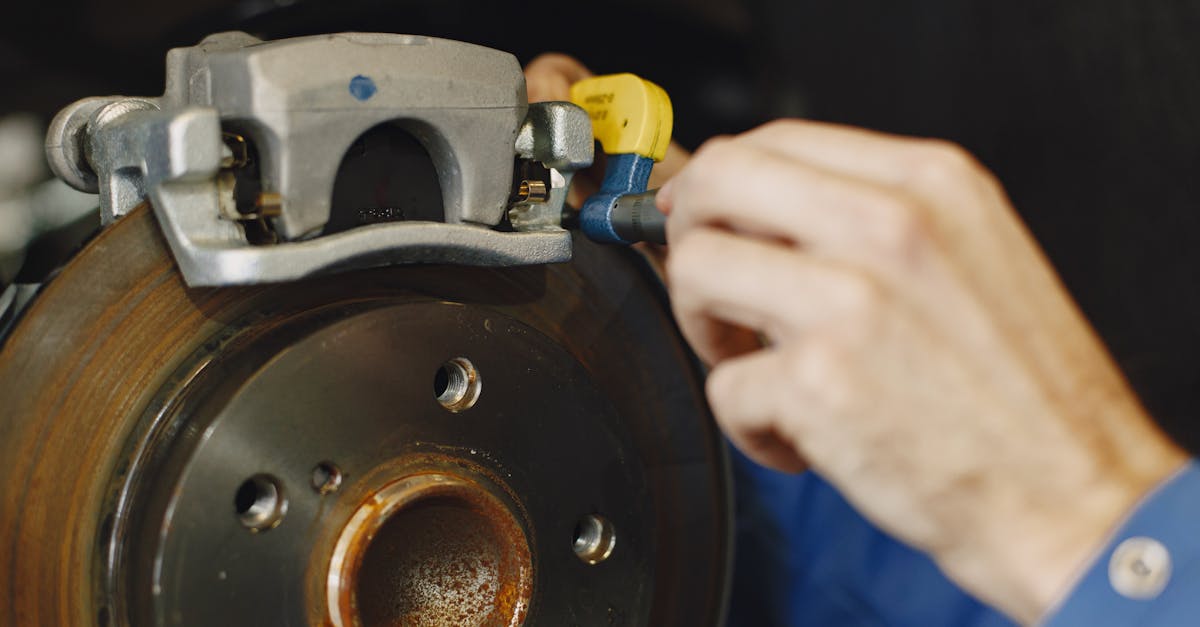
The inspection is real—transmission fluid levels, suspension play, brake thickness measured with calipers—but it’s a point-in-time check. A failing water pump at 42,000 miles might pass inspection at 40,000 miles and fail two months after you buy it. The warranty is your safety net there, assuming the failure is covered and you’ve kept up with maintenance.
Strengths:
- Warranty backed by manufacturer, not the individual dealer—if the dealer closes, warranty still valid
- Inspection standards are published and enforced (dealer risks losing CPO certification if they cheat)
- Best programs (Lexus, Toyota, Honda) include comprehensive coverage for the first 3 years, not just powertrain
Weaknesses:
- Mileage caps mean actual coverage shrinks fast—7-year warranty on a car with 40,000 miles gives you 60,000 more miles, not 7 years of driving
- Powertrain-only coverage after the comprehensive window ends—$2,000 A/C compressor or alternator replacement is on you
- Premium over private-party can hit $3,000; that’s half a year of repair budget you’re paying upfront
Best for: Buyers keeping the car 5+ years who want predictable costs and won’t exceed the mileage cap. If you drive 15,000 miles/year, a 100,000-mile cap on a 40,000-mile car gives you 4 years of coverage, not 7—do the math before you pay the premium.
The big upsell here: dealers pitch CPO as “like new.” It’s not. It’s a used car that passed an inspection once. You still need to check the Carfax, verify recall status on NHTSA.gov by VIN, and budget for repairs outside the warranty window. carfax autocheck reports what they show
Used (private seller or independent lot) — best for buyers who can handle repair risk
Buying used without certification means you’re taking the car as-is. No warranty, no dealer inspection, no recourse if the transmission fails the day after you buy it. The upside: you’re not paying $1,200–$3,000 for someone else’s inspection and warranty markup.
I’ve bought used cars this way for 15 years. The key is spending $150–$300 on a pre-purchase inspection (PPI) from an independent mechanic who has no stake in the sale. That catches the $1,500 timing chain issue or the leaking head gasket the seller didn’t mention. A good PPI pays for itself in negotiation leverage or by walking you away from a money pit.
Strengths:
- Lowest upfront cost—private-party prices typically $1,200–$2,000 below dealer retail for the same car
- No dealer markup, no CPO premium, no finance upsells
- You control the inspection—pick the mechanic, ask for the specific checks you care about (undercarriage rust, transmission fluid color, compression test)
Weaknesses:
- Zero warranty—if it breaks, you pay
- Seller may not disclose problems (Carfax only shows reported accidents and service at participating shops; private maintenance and minor damage often invisible)
- Paperwork and title transfer are your responsibility; mistakes can delay registration or reveal liens
Best for: Buyers with a $2,000–$5,000 repair fund, mechanical confidence (or a trusted mechanic), and the patience to walk away from bad deals. If you’re stretching to afford the car, used without warranty is a gamble—one $3,000 repair wipes out the savings.
Safety note: Never skip the PPI to save $200. I’ve seen buyers lose $4,000 on a “great deal” that needed a transmission two months in. The inspection isn’t optional—it’s the only protection you have.
red flags when buying used car
Used + aftermarket extended warranty — best when you found the right car at a non-CPO dealer
You found a clean 2021 RAV4 at an independent lot, but it’s not CPO. The dealer offers an extended warranty for $2,200. Is it worth it?
Aftermarket warranties vary wildly. Some are legitimate (Endurance, CarShield, CARCHEX) with clear terms and a claims process. Others are “we’ll decide if we feel like paying” contracts with exclusions for every common failure. Read the contract—not the brochure—before you buy.
The key difference from CPO: an aftermarket warranty is just warranty, not inspection + warranty. The dealer might have done a safety check, but it’s not the 160-point CPO standard. You’re still buying the car on faith unless you pay for your own PPI.
Strengths:
- You can add warranty protection to any used car, not just CPO-eligible models
- Aftermarket warranty cost ($1,500–$3,000) can be cheaper than the CPO premium on the same car
- Some plans are transferable if you sell the car, adding resale value
Weaknesses:
- Claims denials are common—missed oil change, “pre-existing condition,” “normal wear and tear” exclusions can void coverage
- No inspection standard—you’re trusting the dealer’s word that the car is sound
- Warranty company’s financial stability matters; if they go under, your coverage evaporates
Best for: Buyers who found the specific car they want (right color, options, mileage) at a non-CPO dealer and want some protection. The warranty is only as good as the contract and the company backing it—get it in writing, read the exclusions, and check the company’s Better Business Bureau rating before you buy.
Upsell warning: Dealers profit significantly on extended warranties. If they’re pushing hard, it’s profit, not altruism. Get the contract, take it home, read it, and decide without pressure. extended warranty worth buying
Side-by-side: Warranty coverage (what’s actually protected)
CPO warranty and aftermarket warranty both say “powertrain,” but the covered parts list is where the value lives—or disappears.
Typical CPO powertrain coverage (manufacturer programs):
- Engine block, pistons, crankshaft, camshaft, timing chain/belt
- Transmission case, gears, torque converter
- Differential, axles, CV joints
- Excluded: turbos (sometimes), superchargers (sometimes), hybrid battery (sometimes), electronics, A/C, alternator, starter
Typical CPO comprehensive coverage (first 3 years on top-tier programs):
- Everything in powertrain plus electrical, A/C, suspension, steering, fuel system
- Excluded: wear items (brakes, tires, wiper blades), maintenance, damage from accidents or neglect
Typical aftermarket warranty coverage (mid-tier plan):
- Engine and transmission internals
- Excluded: everything else unless you pay for “stated component” coverage—and even then, exclusions for “pre-existing conditions” and “lack of maintenance” give them an out
The difference: manufacturer CPO comprehensive coverage (3 years on Toyota, Lexus, Honda) actually covers the expensive failures—$2,000 A/C compressor, $1,200 alternator, $1,800 steering rack. Aftermarket warranties rarely do unless you buy the top-tier plan, and even then, claims fights are common.
Real-world cost:
- CPO comprehensive claim (alternator failure): $0 out-of-pocket, covered minus deductible ($50–$100 typical)
- Aftermarket warranty claim (same failure): 50/50 shot they cover it; expect a fight over “lack of maintenance” if you can’t produce every oil change receipt
- No warranty: $1,200–$1,500 at the shop
If you’re paying the CPO premium primarily for the warranty, know what’s covered after the comprehensive window ends. Most manufacturer CPO programs drop to powertrain-only after 3 years—the exact failures that cost $1,500–$3,000 (electrical, A/C, steering) are back on you.
Side-by-side: Inspection depth (what they actually check)

CPO inspections sound thorough—“160-point inspection!”—but the points aren’t created equal. Some are critical (compression test, transmission fluid analysis), others are basic (wiper blades, tire tread). Here’s what the tiers actually mean:
Tier 1 (strict standard — Lexus, Toyota, Honda manufacturer CPO programs):
- Full diagnostic scan (pulls all stored and pending trouble codes)
- Compression test on all cylinders
- Transmission fluid analysis (color, smell, metal particles)
- Suspension component play measured with dial indicator
- Brake rotor thickness measured, not eyeballed
- Undercarriage inspection on a lift (rust, leaks, damage)
- Road test with diagnostic equipment connected
- What it catches: early warning signs (slight transmission slip, marginal compression, pending codes that haven’t triggered the check engine light yet)
Tier 2 (mainstream manufacturer CPO — Ford, Hyundai, Kia, Nissan baseline):
- Visual inspection (leaks, visible damage)
- Brake pad/rotor thickness measured
- Tire tread depth measured
- Fluid levels checked and topped off
- Diagnostic scan (active codes only, not pending)
- Road test (mechanic’s subjective feel)
- What it catches: obvious problems (worn brakes, low fluids, active check engine light)
- What it misses: early-stage failures (slight transmission slip, marginal alternator, pending codes)
Tier 3 (independent dealer “certified”):
- “Our mechanic looked at it”
- What it catches: nothing you couldn’t see yourself
- What it misses: everything a real inspection would find
The point: manufacturer CPO inspection has real value if the brand’s standards are strict. Toyota, Lexus, Honda CPO is worth something. “Big Al’s Certified Pre-Owned” is marketing, not protection.
Your move: Even with CPO, ask for the actual inspection report—the diagnostic printout and measurement sheet, not the one-page summary. If they won’t provide it, that tells you something about how thorough the inspection really was.
How we made these calls
I’ve been an ASE-certified mechanic for 12 years, mostly in independent shops where I see the cars after the dealer CPO inspection missed something. I’ve also bought and sold used cars on both sides—private-party and dealer CPO.
The pricing and warranty data here comes from manufacturer CPO program guidelines (Toyota, Lexus, Honda, Ford, Hyundai, Kia, Nissan), Kelley Blue Book, and Edmunds as of July 2026. Warranty terms change; verify current coverage with the dealer in writing before you buy.
I didn’t test-drive every CPO program or audit dealer inspections myself. The “tier” rankings are based on published inspection checklists and industry reputation, not hands-on verification of every brand’s enforcement. Your mileage (literally) will vary by dealer.
What I didn’t do: rely on dealer marketing claims or online reviews. I pulled manufacturer warranty booklets, read the FTC Used Car Rule (16 CFR §455), and cross-checked claimed coverage against actual contract terms.
FAQ
Is certified pre-owned worth the extra cost?
Depends on the brand and your risk tolerance. Toyota, Lexus, and Honda CPO programs have strict inspections and strong warranties—the $1,500–$2,500 premium buys real protection for buyers keeping the car long-term. Fringe-brand or independent dealer “certified” can be 80% markup for 20% value. Do the math: if the CPO premium is $2,000 and the warranty is 3 years powertrain-only, you’re paying $667/year for coverage that excludes most common $1,500+ failures (A/C, alternator, electronics). If you’d spend $2,000 on an aftermarket warranty anyway, CPO is the better deal—but only if the inspection standard is real.
What does ‘certified’ actually mean?
It means the dealer inspected the car to their standard (which varies wildly) and backs it with a warranty. It does not mean the car is problem-free, recall-free, or “like new.” Manufacturer CPO (Toyota Certified, Honda Certified) has published checklists and manufacturer-backed warranties. Independent dealer “certified” means whatever that dealer says it means—often just “our mechanic looked at it.” There’s no federal standard for the “certified” label. Check the inspection report and warranty contract, not the window sticker.
Can a CPO car have an open recall?
Yes. CPO certification doesn’t guarantee recalls are fixed before sale. Federal law requires dealers to disclose open recalls, but not to repair them (except for certain safety-critical recalls on new cars—used cars have no federal repair requirement). Before you buy any car, CPO or not, check NHTSA.gov by VIN. If there’s an open recall, the dealer should fix it before delivery—but verify in writing.
How long is a typical CPO warranty?
Ranges from 3 years/36,000 miles (Ford, Nissan baseline) to 7 years/100,000 miles from original in-service date (Lexus, Toyota, Honda powertrain). The “7 years” sounds great until you realize it’s from the original sale, not from when you buy it. A 2022 model purchased CPO in 2026 has 3 years left on a “7-year” warranty. Mileage caps hit even faster—if the car has 40,000 miles and the cap is 100,000 miles, you get 60,000 miles of coverage, not 100,000. Read the warranty start date and caps, not the headline number.
Is CPO better than buying used and adding an aftermarket extended warranty?
CPO gives you inspection + warranty in one package. Used + aftermarket warranty gives you warranty only—the inspection is your responsibility (pay for a PPI). Manufacturer CPO warranties are usually more comprehensive and cheaper than equivalent aftermarket coverage, and the inspection has real value if the brand’s standards are strict. But if you found the exact car you want at a non-CPO dealer and the CPO version costs $2,500 more, buying used and spending $1,800 on a top-tier aftermarket warranty plus a $200 PPI would save you about $500 compared to CPO. extended warranty worth buying
What’s not covered by a CPO warranty?
Wear items (brakes, tires, belts, hoses, wiper blades), maintenance (oil changes, fluid flushes, filter replacements), accidents, damage from neglect or lack of maintenance, and “normal wear and tear” (dealer’s judgment call). Most CPO warranties also exclude: modifications, racing, commercial use, and anything that fails because you didn’t follow the maintenance schedule. After the comprehensive coverage window ends (usually 3 years), powertrain-only coverage excludes the expensive stuff—A/C compressor ($2,000), alternator ($1,200), electronics, suspension, steering. Read the exclusions in the warranty contract, not the brochure.
Where CPO makes sense: You want a specific model with low miles, you’ll keep it long enough to use the warranty, and the brand’s program is top-tier (Lexus, Toyota, Honda). The inspection catches problems before they’re yours, and the warranty covers the risk you can’t see.
Where it doesn’t: You’re buying a 5-year-old car with 60,000 miles and the warranty caps at 100,000 miles—you’re paying $2,000 for 40,000 miles of coverage. Or the “certified” label comes from an independent dealer with no inspection standard. Or you’re confident enough to handle repairs and would rather pocket the $2,000 premium as your own repair fund.
Before you decide, run the math: CPO premium vs. aftermarket warranty cost vs. your own repair budget over the time you’ll own the car. And no matter which route you take, check NHTSA recalls by VIN, pull the Carfax, and—if it’s not manufacturer CPO with a strict inspection standard—pay for a pre-purchase inspection. how much car can you afford
General information, not professional mechanical or financial advice. Purchase decisions depend on budget, driving habits, risk tolerance, and local market conditions. Verify warranty terms in writing with the dealer or manufacturer before purchase. Check NHTSA.gov for open recalls by VIN. Have an independent mechanic perform a pre-purchase inspection before buying any used vehicle. Review all warranty exclusions and maintenance requirements in the contract, not the sales brochure.