

An extended warranty on a used car pays for itself only if a major covered repair happens during the contract period — and the odds of that depend on the car’s repair history, your location’s labor rates, and the warranty provider’s actual claim approval record, not the sales pitch. For most buyers, the math says skip it on reliable cars under 100k miles and consider it past that threshold if you don’t have $3,000 saved for repairs.
The short answer
Extended warranties cost $600–$3,500 (typically $1,200–$2,200 from dealers) and break even if one major covered repair happens during the term. For newer, reliable used cars under 100k miles, the failure risk is low enough that self-insuring wins. For cars over 100k miles or with documented weak points, the odds shift. The real question is whether the warranty company will actually pay the claim — third-party providers approve 65–75% of claims on average, while manufacturer-backed plans approve 85–90%, per industry complaint data and state insurance filings.
The extended warranty math that matters
Here’s what an extended warranty costs, per Kelley Blue Book and industry pricing data:
| Coverage level | Dealer cost | Third-party cost | What’s covered |
|---|---|---|---|
| Powertrain only | $600–$1,500 | $500–$1,200 | Engine, transmission, drivetrain core components |
| Major components | $1,200–$2,200 | $900–$1,800 | Powertrain + electrical, cooling, A/C, suspension |
| Bumper-to-bumper | $2,000–$3,500 | $1,500–$2,500 | Everything except exclusions (see below) |
Now compare that to what a covered repair costs when it fails — but know that labor rates swing the total by 20–40% depending on where you live:
| Repair | Rural/low-cost region | Urban/high-cost region | Likelihood (high-mileage cars, 100k+ mi) |
|---|---|---|---|
| Transmission rebuild/replace | $2,200–$3,800 | $2,800–$4,800 | 8–12% |
| Head gasket | $1,000–$2,200 | $1,400–$2,800 | 10–15% (cars 8–12 years old) |
| A/C compressor | $500–$1,500 | $700–$2,000 | 15–20% (cars 10+ years old) |
| Water pump | $350–$850 | $500–$1,200 | 20–30% (cars 8+ years old) |
| Electrical module | $450–$1,300 | $600–$1,700 | 5–10% |
Source: Edmunds repair cost database and AAA driving costs report. Regional variation reflects labor rate differences; parts costs remain similar. Percentages represent estimated occurrence rates and vary significantly by make, model, and maintenance history.
The extended warranty math is simple: if the warranty costs $1,500 and one transmission failure costs $3,000, you “win” only if that failure happens during the contract period. The warranty company is betting the opposite — and they price it so they win more often than you do. In Phoenix, where I work, a transmission job runs $2,800–$4,200; the same repair in rural Texas costs $2,200–$3,500. That $600–$700 difference changes the break-even point.
When extended warranties make sense
Scenario 1: High-mileage used car (100k+ miles), documented weak spots
2015 Dodge Grand Caravan, 125k miles, no remaining factory warranty. Extended warranty quote: $1,200 for 3-year powertrain coverage.
- Failure risk profile: High — Dodge Caravans show elevated transmission, cooling system, and electrical issues in NHTSA recall data. Verify specific model-year problems before buying.
- Likely repair if it happens: $2,500–$5,000
- Break-even: One major repair pays for the warranty; solid probability it occurs by year 8–9
- Verdict: Strong candidate, especially if you’re buying from a non-dealer seller and need predictable costs
Scenario 2: Older car, limited emergency fund
2018 Toyota Camry, 95k miles, factory warranty expired. Extended warranty quote: $1,500 for 4-year major-components coverage.
- Failure risk profile: Moderate — Toyotas age well, but water pump, A/C, and electrical failures become more common past 90k miles
- Likely repair: $2,000–$3,500 (water pump, A/C compressor, electrical modules)
- Your savings cushion: Less than $2,000 set aside for car repairs
- Break-even: One repair covers the cost; moderate probability within warranty term
- Verdict: Reasonable if the warranty buys you peace of mind and protects your budget. Skip it if you can handle a surprise $2,500 bill without scrambling.
Scenario 3: Skip it — newer reliable car
2020 Honda Civic, 60k miles, 2 years of factory warranty remaining. Extended warranty quote: $1,200 for 5-year powertrain.
- Failure risk profile: Low — Hondas show strong reliability under 120k miles per Consumer Reports used car ratings
- Likely repair if it happens: $2,500–$4,000
- Break-even: Only if you keep the car to 120k+ miles AND a major failure occurs
- Verdict: You’re paying $1,200 to hedge against a low-probability event. Self-insure instead — put that $1,200 in a repair fund and you’re ahead unless that rare failure hits.
Check our mileage tier guide to understand how age and mileage affect failure probabilities in used cars.
What extended warranties DON’T cover (and why that matters)
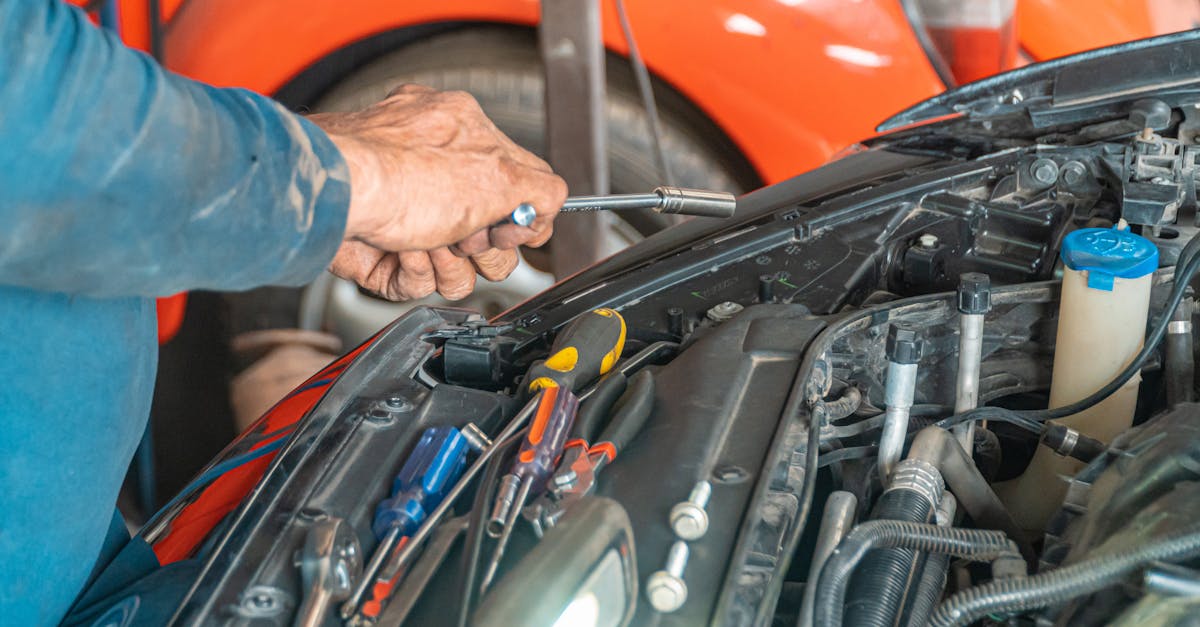
This is where buyers get burned. Extended warranties exclude:
- Wear items: Brake pads, rotors, clutch, tires, batteries, wiper blades, belts, hoses
- Scheduled maintenance: Oil changes, filters, spark plugs, fluid flushes
- Pre-existing conditions: Any problem that existed at purchase, even if you didn’t know about it
- Neglect or missed maintenance: Skip one oil change and the warranty company can deny your engine claim
- Cosmetic damage: Scratches, dents, paint, interior wear
- Consequential damage: If a failed water pump damages the engine, the engine damage may be excluded
Here’s the real-world problem: A transmission slips at 80k miles. The dealer says it’s “normal wear” because the fluid looks dark. You skipped one transmission service at 60k miles (it wasn’t required by the manual, but the warranty contract says it was). Claim denied. You’re out the $1,800 warranty cost AND the $3,500 transmission rebuild.
The documentation trick dealers won’t tell you: At purchase, photograph or video-record any existing noises, warning lights, fluid leaks, or worn parts with the seller present. Note them on the sales contract. If a problem shows up three months later, you have proof it wasn’t pre-existing. Without that, the warranty company’s default is “you bought it broken.”
The claims-denial patterns and approval rates
Extended warranty providers routinely deny claims on technical grounds. Third-party warranty companies approve 65–75% of claims based on state insurance department complaint ratios and consumer arbitration records, while manufacturer-backed extended warranties approve 85–90%. That 15–35% denial rate matters — it means one in four to one in three claims gets rejected, often on grounds buyers didn’t anticipate.
The five most common denials:
-
“That’s a wear item, not a defect” — Calipers, suspension bushings, and sensors get framed as wear even when they fail early. This is the leading denial reason, accounting for roughly 30% of rejected claims.
-
“Maintenance records incomplete” — You did the oil changes, but you didn’t keep the receipts with odometer readings and service dates; claim denied. Keep a binder with every receipt.
-
“Pre-existing condition” — The part failed two months after purchase; they argue it was failing when you bought the car. Without your own documentation (photos, pre-purchase inspection report), you lose this argument.
-
“Not covered under your tier” — You bought powertrain-only; the A/C compressor isn’t included. Read the coverage grid before you buy, not after the part fails.
-
“Deductible applies” — The $100–$250 per-repair deductible wasn’t mentioned at sale; now you’re paying out of pocket anyway, and a $700 repair nets you $450 after the deductible.
Manufacturer-backed plans (Toyota Extra Care, Honda Care, GM Protection Plan) have lower denial rates because they’re tied to the brand’s reputation and dealer network. Third-party plans operate on thinner margins and deny more aggressively. If you’re buying third-party, check your state insurance department’s complaint database for that provider’s track record before signing.
What your state requires (and doesn’t)

Vehicle service contracts are regulated state-by-state, and the protections vary widely. Most buyers don’t know what’s legally required versus what’s negotiable:
Cooling-off periods: Some states (California, Florida, New York, Washington) require a 30–60 day cancellation window with a full or partial refund if you change your mind. Others have no cooling-off period — you’re locked in at signing. Check your state’s requirements before you buy.
Mandatory contract terms: States regulate what must be disclosed in the contract: covered parts lists, exclusions, deductible structure, cancellation and refund terms, claims process, and whether the provider is insured or bonded. The contract must state these in plain language, not buried in fine print.
Transfer and portability: Some states require that warranties be transferable to a new owner if you sell the car, though providers can charge a transfer fee ($50–$300). If you plan to sell before the warranty expires, verify the transfer terms and costs upfront.
Claims dispute resolution: A few states mandate arbitration or mediation processes if the provider denies your claim. Without that, your only recourse is small claims court or walking away.
The catch: Federal law treats vehicle service contracts as service agreements, not insurance, so they’re exempt from many consumer protection rules that cover auto insurance. That’s why reading your state’s specific regulations matters. Your state insurance department or attorney general’s office website will have a consumer guide to vehicle service contracts — read it before you sign.
When to skip the extended warranty entirely
If the car is still under factory warranty for 2+ years
You’re paying for overlapping coverage. Wait until the factory warranty nears expiration, then decide if you want to extend.
If the car is a known-reliable model under 100k miles
Toyotas, Hondas, Mazdas, and Subarus under 100k miles have lower failure rates. Self-insuring (setting aside $100/month in a repair fund) beats paying $1,500 upfront.
If you plan to sell or trade the car in 2–3 years
Most extended warranties are non-transferable or charge $300+ to transfer to a new owner. If you cancel early, the refund is prorated and penalized. You’ll lose money.
If the warranty costs more than 10% of the car’s value
A $2,500 warranty on a $15,000 car is pushing it. On a $6,000 car, it’s a bad deal — you’re better off saving that money for repairs or buying a more reliable car to start with.
The decision framework
Ask yourself these five questions before buying an extended warranty:
-
How much is the warranty, and what tier? Get the actual quote, not the range. Negotiate down from the dealer’s first offer — yes, they’re negotiable.
-
How long will I keep this car? Under 3 years = skip it. Over 5 years = consider it if high-mileage or high-risk model.
-
What’s this car’s repair history? Check NHTSA recalls and model-specific forums for documented weak points.
-
Do I have $3,000–$5,000 set aside for emergency repairs? Yes = self-insure. No = warranty is a budget safety net, but shop third-party providers for better pricing.
-
What’s the provider’s claim approval rate? Third-party plans with approval rates below 70% are red flags. Manufacturer-backed plans are safer bets.
A pre-purchase inspection ($150–$200) reveals known problems the warranty won’t cover anyway — and tells you if the car’s a lemon you shouldn’t buy at all.
FAQ
What’s the difference between an extended warranty and a service contract?
Legally, they’re the same thing. “Extended warranty” is marketing language; the contract you sign is called a “vehicle service contract.” It’s insurance against specific covered repairs, not a true warranty (which would be a guarantee from the manufacturer). The terms are used interchangeably, but read the contract itself — that’s what defines coverage.
Can you negotiate an extended warranty price?
Yes. Warranties sold at point-of-sale carry significant dealer margin. Make a counteroffer at 50–60% of the quoted price and work up from there. Third-party providers also negotiate, especially if you’re comparing quotes. Never pay the sticker price.
How much does an extended warranty cost on average?
$1,200–$2,200 for dealer-sold major-components coverage; $500–$1,500 for third-party powertrain-only contracts. Cost rises with vehicle age, mileage, and coverage tier. Get quotes from at least two providers before deciding.
Is it worth extending a warranty after the manufacturer’s warranty expires?
Only if the car is entering the higher-risk window (100k+ miles, 8+ years old) and you plan to keep it another 3–5 years. For newer cars exiting factory warranty, self-insure for the first 50k miles, then reassess. The failure risk remains low enough that the warranty often costs more than the expected repair bill.
Do extended warranties cover rental cars while mine is being repaired?
Some do, some don’t. Rental reimbursement is typically an add-on that costs $100–$300 extra and covers $30–$50 per day for a limited number of days (usually 5–7 days max). Read the rental coverage section carefully — many exclude rental for routine repairs or require repairs to take longer than 24 hours before rental coverage kicks in.
Extended warranties shift risk from you to the insurance company, but only at a price the company profits from. For high-mileage used cars with known weak spots and buyers without emergency repair savings, that trade can make sense. For newer reliable cars, you’re paying for peace of mind against a problem that probably won’t happen — and if it does, there’s a 15–35% chance the claim gets denied anyway. Run the math for your specific car, your region’s labor rates, and your risk tolerance. Most importantly, check the provider’s claim approval record and read your state’s disclosure requirements before the dealer rushes you into signing.
General information, not professional mechanical or financial advice. Warranty terms, costs, and coverage vary by provider and vehicle. Read the full contract and verify exclusions before purchasing.