

Your tire pressure warning light is on. You checked all four tires with a gauge—32 psi across the board, exactly where they should be. The tire isn’t the problem. The sensor is.
The short answer
Expect to pay $70–$210 per sensor installed depending on your vehicle, whether you choose OEM or aftermarket parts, and your shop’s labor rate. A full set of four runs $280–$840. Industry data from Schrader shows that 90% of sensors remain functional through year five, but that drops to around 50% by year seven—plan for replacement around the 7–8 year mark from battery depletion.
The three drivers of TPMS sensor replacement cost
Sensor type matters. Nearly all cars sold since 2008 use direct TPMS—individual wireless sensors mounted inside each tire that transmit pressure readings to your dashboard, as mandated by NHTSA. Older economy cars may use indirect TPMS, which relies on ABS wheel-speed sensors and software instead of physical tire sensors. If you have indirect TPMS, you won’t be replacing sensors—just recalibrating software for $50–$150. Check your owner’s manual or the TPMS label on your driver’s door jamb to confirm which system you have.
OEM versus aftermarket parts swings cost by 40–60%. An OEM sensor from your dealership parts counter runs $60–$150. The same sensor from a quality aftermarket brand (Schrader, Denso, Dill, Autel) costs $20–$70 and meets identical technical performance standards. Both carry multi-year warranties. The performance difference is zero.
Labor rates vary by region and shop type. Installing and programming a TPMS sensor takes 20–30 minutes per wheel. Independent shops charge $20–$60 per sensor for labor. Dealerships run 20–40% higher. Urban shops in high-cost-of-living areas (San Francisco, New York, Seattle) charge 15–25% above the national average; rural shops run 10–20% below. Programming cost—covered below—can add another $30–$100 depending on your vehicle’s model year and the shop’s equipment.
What you’ll pay by vehicle type
| Vehicle class | Aftermarket + labor | OEM + labor | Full set (4 sensors) |
|---|---|---|---|
| Standard car (Civic, Camry, Fusion) | $90–$130 | $120–$180 | $360–$720 |
| Truck/SUV (F-150, Silverado, 4Runner) | $110–$150 | $150–$220 | $440–$880 |
| Luxury (Mercedes, BMW, Audi) | $80–$140 (aftermarket) | $200+ (OEM) | $320–$800+ |
Trucks and SUVs cost more because sensors are harder to access and labor time runs longer. Luxury vehicles often require proprietary programming tools, which drives up dealer labor charges—though independent shops equipped with the right diagnostic software can undercut dealer pricing by 20–30%. These ranges reflect current pricing from national tire retailers, independent shops, and manufacturer data per Edmunds and KBB repair cost tracking.
How TPMS sensors fail
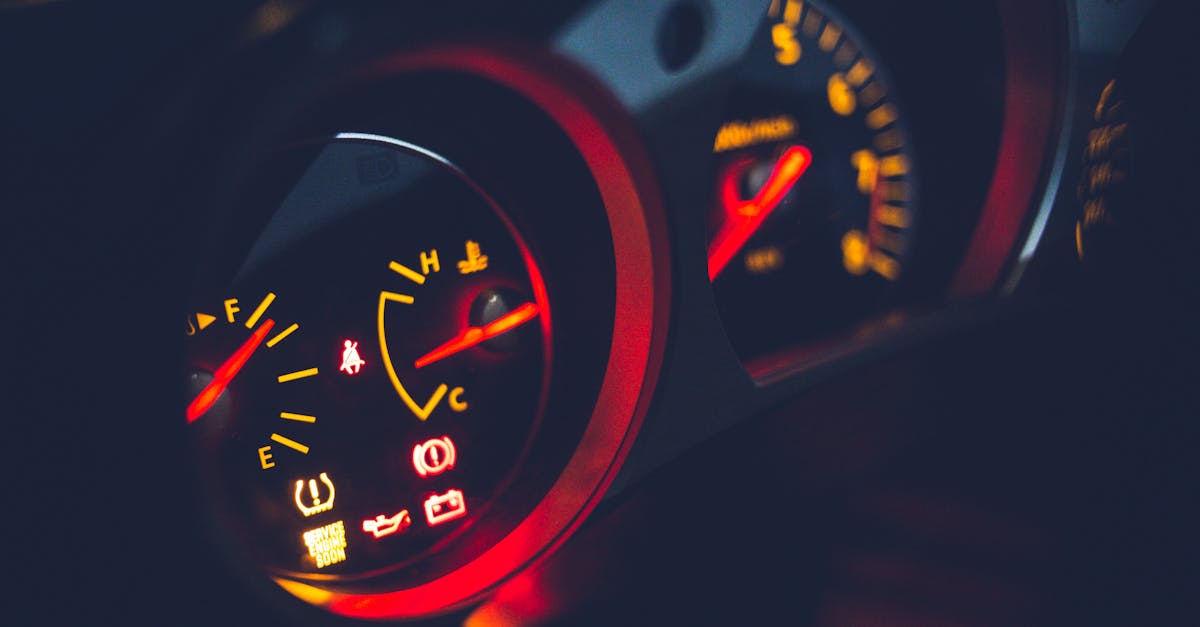
TPMS sensors are battery-powered wireless transmitters bolted to the inside of your wheel. When tire pressure drops 25% below target—say, from 32 psi to 24 psi—or the sensor’s battery dies, your dashboard warning light turns on.
Here’s the survival curve you need: manufacturer data shows 90% of sensors still function at year five, dropping to roughly 50% by year seven. By year ten, most are dead. You can’t replace the battery; you replace the whole sensor.
Sensors fail for five reasons:
Battery depletion is the main culprit. The lithium battery inside each sensor lasts 5–10 years, with the failure rate accelerating sharply after year six.
Corrosion from road salt and moisture eats away at internal electronics. Winter-driven vehicles in the Northeast, Midwest, and Mountain West—the salt belt—see sensor failures 1–2 years earlier than cars in dry climates.
Impact damage from tire mounting, removal, or hitting a pothole hard enough to crack the valve stem or break the sensor housing.
Valve stem rubber degradation from UV exposure and ozone over time. The rubber rots, the seal fails, air leaks out, and the sensor goes with it.
Electronic circuit failures from manufacturing defects. Rare, but they happen.
When you actually need tire pressure sensor replacement
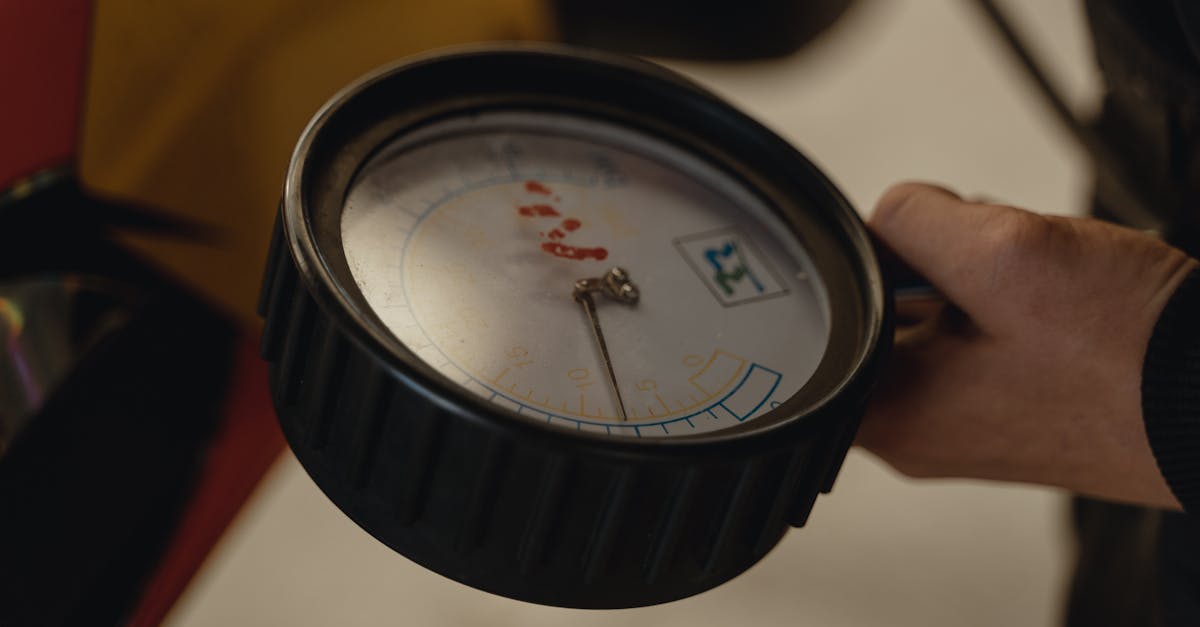
Your warning light turns on. Before you drive to a shop, spend 30 seconds with a tire pressure gauge.
If all four tires read at or near the target PSI listed on your door jamb or in your owner’s manual, the sensor has failed—not the tire. One sensor usually fails at a time, though corrosion from salt exposure can kill multiple sensors within months of each other.
If one or more tires are genuinely low, add air to the correct pressure and drive a few miles. The light should reset on its own. If it stays on after you’ve corrected the pressure, the sensor is bad.
If the light flashes for 3–5 seconds at startup then stays on or turns off, the sensor battery is nearly dead or the connection is loose.
Cold-weather caveat: tire pressure drops roughly 1 psi for every 10°F temperature drop. If your light turns on every winter when the temperature plummets, that’s physics, not sensor failure. Add air and the light resets.
OEM versus aftermarket: the reality check
Dealerships will tell you OEM sensors are safer, more reliable, or required to maintain your warranty. None of that is true.
Quality aftermarket TPMS sensors meet the same technical and performance standards as OEM parts. They’re programmed the same way, transmit at the same frequency, and carry 2–5 year warranties. The main difference is the logo stamped on the housing.
The only legitimate reason to choose OEM is if your car is still under factory warranty and your dealership refuses to honor aftermarket parts—some do, some don’t. Otherwise, aftermarket sensors save you 40–60% for identical performance.
| Component | OEM | Quality aftermarket | Savings |
|---|---|---|---|
| Sensor (each) | $60–$150 | $20–$70 | 40–60% |
| Labor (each) | $20–$60 | $20–$60 | 0% |
| Total per sensor | $80–$210 | $40–$130 | 30–50% |
What changes the price
Programming fees and vehicle age create the biggest swing. Some shops bundle programming into the quoted labor rate; others charge it separately. The cost depends on your vehicle’s model year and whether the shop has the right equipment.
Pre-2015 vehicles typically use generic relearn procedures that any shop with a basic TPMS tool can handle—add $30–$50. Post-2015 vehicles often require manufacturer-specific software and OBD-II programming tools compliant with SAE J2534 standards. Independent shops equipped with these tools charge $50–$100 for the programming step. Dealerships charge $80–$150 for the same work, though they’re sometimes the only option for European luxury brands with proprietary systems. Ask upfront whether programming is included in the quoted labor rate and whether the shop can handle your specific make and model year.
Winter tire logistics add a hidden variable. If you run a dedicated winter wheel set, you face a choice: install new TPMS sensors on the winter wheels ($280–$840 for a full set), or swap sensors between wheel sets seasonally. Swapping sensors requires dismounting tires, transferring sensors, remounting, rebalancing, and reprogramming the vehicle’s system—Tire Rack quotes this at $50–$100 per wheel set per season, which adds up fast. Most shops recommend installing permanent sensors on both sets if you swap wheels twice a year. The programming step still applies each time you change wheel sets, though some newer vehicles auto-detect sensor IDs after a few miles of driving.
Single sensor versus full set. If only one sensor fails and the others test fine, replace the one. Shops will sometimes push you to replace all four “preventively,” but that’s unnecessary unless they confirm visible corrosion on the others or your vehicle is approaching the 7–8 year battery-depletion window and you want to avoid a second trip in 12 months.
Vehicle rarity or age. Sensors for a 15-year-old low-volume model or an imported luxury car can cost 50–100% more because fewer are manufactured and stocked.
Regional labor rates. The same sensor swap in Des Moines might run $120; in San Francisco, $150.
Salt-belt penalty. If you drive year-round in snow-and-salt country, corrosion will cut sensor lifespan by 1–2 years. Plan for earlier replacement and watch for multiple sensors failing within months of each other—a telltale sign of salt damage.
Can you DIY this?
You can buy the sensor and swap the wheel yourself, but the sensor won’t work until it’s programmed to your car’s computer. That requires a TPMS programming tool or dealership software. Most drivers don’t own the tool and can’t justify the $200–$500 investment for a once-a-decade job. DIY is not practical unless you already own the equipment.
FAQ
How long do TPMS sensors last?
Manufacturer data shows 90% of sensors remain functional through year five, dropping to around 50% by year seven. Most fail between years 7–10 from battery depletion. Salt exposure and rough roads can shorten lifespan by 1–2 years.
Why is my tire pressure warning light on?
Either tire pressure is genuinely low, a sensor battery is dead, or the sensor has failed from corrosion or impact damage. Check tire pressure first with a manual gauge to rule out the simplest cause.
Is OEM or aftermarket better for TPMS sensors?
Quality aftermarket sensors from reputable brands (Schrader, Denso, Dill, Autel) perform identically to OEM, cost 40–60% less, and carry multi-year warranties. OEM is unnecessary unless your dealership requires it for warranty coverage.
Do I need separate TPMS sensors for winter wheels?
You can either install permanent sensors on both wheel sets ($280–$840 for four) or swap sensors seasonally. Seasonal swapping costs $50–$100 per wheel set for dismounting, transfer, rebalancing, and reprogramming—twice a year, that approaches the cost of a second sensor set within a few seasons. Most drivers who swap wheels twice yearly install permanent sensors on both sets.
Can I ignore the TPMS light?
No. First, check whether tire pressure is actually low—underinflated tires compromise handling, braking, and fuel economy. If pressure is fine and the sensor is bad, the light will mask a real tire-pressure problem the next time one occurs. Replace the failed sensor so the system works when you need it.
TPMS sensor replacement is an age-driven maintenance cost that hits hardest around year seven. Budget $90–$130 per sensor with aftermarket parts at an independent shop, verify your tire pressure before assuming the sensor is bad, and ask upfront whether programming is bundled into the labor quote. If you run winter wheels, factor in either a second sensor set or twice-yearly swap costs. Don’t let a dealer upsell you on OEM sensors you don’t need.
General information, not professional mechanical or financial advice. Consult a certified mechanic or your vehicle’s owner’s manual for vehicle-specific guidance.