

Your repair estimate just came back at $7,500 for a car the insurance company says is worth $9,000. You’re wondering if they’ll total it, if you should fight the valuation, or if you’re better off taking the check and walking. Here’s how the total loss decision actually works, what the state threshold rules mean for your payout, and how to run the numbers yourself before the adjuster does.
The repair-versus-total-loss question isn’t about fixing the car—it’s about whether the math makes sense for you or the insurer. Most people wait for the insurance company to decide, but you can (and should) run the calculation early, especially if you disagree with their damage estimate or their valuation of your car.
What you’ll need
Documents:
- Repair estimate from a certified shop (get 2–3 if possible)
- Your insurance policy (collision/comprehensive coverage details)
- Recent comparable sales for your car (KBB, NADA, Edmunds)
- Your state’s total loss threshold percentage (see step 1)
Information:
- Your car’s year, make, model, mileage, and condition before the accident
- Any pre-existing damage or modifications
- Your deductible amount
Prerequisites:
- An itemized repair estimate that shows specific costs (not just “front-end damage”)
- Understanding that actual cash value (ACV) is fair market value at the time of loss, not what you paid or what you owe
Before you start
Check your state’s total loss threshold before you argue with the adjuster. Most states use a percentage rule: if repair cost exceeds 70–80% of the car’s actual cash value, the insurer declares it totaled. A few states let the insurer decide case-by-case, but most have a hard cutoff.
If you’re close to the threshold, small changes to the ACV or repair estimate can flip the decision. Get independent appraisals early—once the insurer totals the car and takes the title, your options narrow fast.
Step 1: Find your state’s total loss threshold percentage
Most states set a total loss threshold somewhere between 70% and 80% of actual cash value (ACV). If the repair estimate divided by ACV hits or exceeds that percentage, the insurer declares the car totaled.
Examples of common thresholds (verify with your state’s department of insurance, as rules change):
- 80% states: California, Texas, New York, Florida (most common)
- 75% states: Some Midwest and Southern states
- 70% states: A handful of states with older statutes
Look up “[Your State] total loss threshold” or check your state insurance commissioner’s website. If you can’t find it, call your insurer and ask what percentage they use in your state—they’ll tell you.
Why this matters: If you’re at 78% in an 80% state, you can still repair. At 81%, you’re totaled no matter what you argue. Know the line.
Step 2: Get the insurer’s actual cash value (ACV) calculation
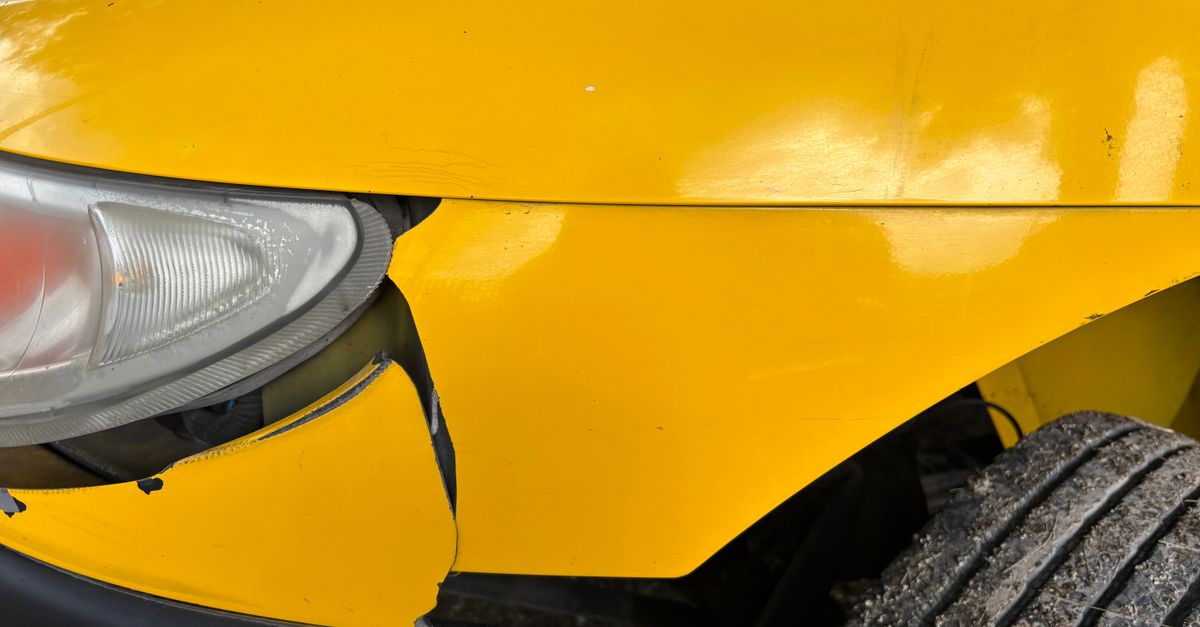
The insurer will send you their valuation—usually a printout from NADA Guides, Kelley Blue Book, or Edmunds. They adjust for mileage, condition, and regional market. This is the number they’ll pay you if the car is totaled (minus your deductible).
What to check:
- Mileage adjustment: If your car has 50,000 miles and they used 70,000, that’s $1,500–$2,000 you just lost.
- Condition rating: “Average” versus “clean” can swing the value $500–$1,500. If your car had new tires, recent service, or no rust, push for “clean.”
- Comparable sales: Ask for the comps they used. If they’re pulling rusty examples from 200 miles away, challenge it.
- Options and trim: Base model versus loaded trim can mean $2,000–$5,000. Make sure they coded your actual car.
If the ACV is off by more than $1,000, get an independent appraisal ($100–$300 from a certified appraiser). Insurers will adjust if you show hard data. Valuations typically move $2,000–$3,500 after owners bring in local dealer comps and supporting evidence.
Example ACV dispute: Insurer says your 2019 Honda Accord EX-L is worth $18,000. You find three dealer listings for the same trim, mileage, and zip code averaging $20,500. You send screenshots and the appraisal. Insurer revises to $19,800. That $1,800 bump might keep you under the total loss threshold—or get you a bigger check if they total it anyway.
Step 3: Collect repair estimates from certified shops
Get at least two written estimates from body shops certified by your car’s manufacturer or a major insurer (I-CAR Gold Class is the standard). Don’t use an uncertified estimate—adjusters ignore backyard quotes.
What the estimate must include:
- Parts cost (OEM versus aftermarket—OEM is what the insurer uses)
- Labor hours and hourly rate (regional rates vary $80–$150/hour)
- Paint and materials
- Any tear-down or hidden damage the shop expects to find
Red flag: If the first shop says $6,000 and the second says $11,000, someone’s missing frame damage or hidden issues. Ask both shops to explain the gap. Frame damage almost always pushes you over the total loss threshold.
Most repair shops are honest, but some lowball to win the job, then “discover” additional damage once your car is apart. Get the tear-down inspection done before you commit to repair.
Step 4: Run the total loss calculation yourself
Here’s the formula the insurer uses:
Repair estimate ÷ ACV = Total loss percentage
If that percentage meets or exceeds your state’s threshold, the car is totaled.
Example 1 (totaled):
- ACV: $10,000
- Repair estimate: $8,500
- State threshold: 80%
- Calculation: $8,500 ÷ $10,000 = 85%
- Result: Total loss declared (85% exceeds 80%)
Example 2 (repairable):
- ACV: $12,000
- Repair estimate: $7,000
- State threshold: 75%
- Calculation: $7,000 ÷ $12,000 = 58%
- Result: Repair authorized (58% is under 75%)
The gray zone (60–75% of ACV): If you’re in this range, consider the repair-versus-replace decision even if the insurer approves the repair. Why? Post-accident resale value can drop 5–20% depending on damage severity. A $12,000 car with $7,000 in frame repairs might sell for $10,000–$11,000 afterward because buyers avoid accident history.
Run the after-repair value: If the car will be worth less than what you’d get from a total loss payout, take the check.
Step 5: Decide whether to repair, total, or buy back

You have three paths:
Path 1: Repair (if under threshold and math works)
You keep the car, pay your deductible, insurer pays the shop. Best when:
- Repair cost is under 60% of ACV
- No frame or structural damage
- You plan to keep the car long-term (resale penalty doesn’t matter)
Path 2: Accept total loss (take the check)
Insurer pays you ACV minus deductible, takes the car, brands the title salvage. Best when:
- Repair cost is over 70% of ACV
- Frame damage or flood damage (hidden issues likely)
- You were planning to sell soon anyway
What you get: If ACV is $10,000 and your deductible is $1,000, you receive $9,000. The insurer takes the car and sells it at salvage auction.
Path 3: Buy back and repair (keep the totaled car)
Some states let you buy the car back from the insurer at salvage value, repair it yourself, and apply for a rebuilt title. The insurer pays you ACV minus salvage value minus deductible.
Example buyback:
- ACV: $10,000
- Salvage value: $3,000 (what the insurer would get at auction)
- Deductible: $1,000
- You receive: $10,000 - $3,000 - $1,000 = $6,000 cash
- You keep the car, repair it for (ideally) under $6,000, apply for rebuilt title
When this makes sense:
- You can repair cheaper than a shop (you have the skills or a trusted mechanic)
- The car has sentimental value or rare parts
- Salvage value is low and you’re confident in the repair
When it doesn’t:
- Frame damage (safety risk, hard to insure later)
- Flood damage (electrical gremlins will haunt you)
- You need to finance the next car (rebuilt titles are hard to insure and finance)
Troubleshooting common issues
Problem: Insurer’s ACV is $2,000 lower than market comps
Get an independent appraisal and send the insurer 3–5 recent dealer listings (same year/make/model/mileage/region). Most will adjust within $500–$2,000 if the data is solid. If they refuse, check your policy for appraisal clause—some states require binding arbitration if you and the insurer disagree by more than 10%.
Problem: Repair shop “discovers” $4,000 more damage after starting work
This happens. Frame damage and hidden structural issues don’t show until the car is torn down. If the new total pushes you over the total loss threshold, the insurer will stop the repair and total the car. You’re not stuck with a half-repaired car—they’ll settle based on the revised estimate.
Problem: Insurer totals the car but you still owe $12,000 on a loan and ACV is $10,000
You’re upside-down. The insurer pays the lienholder $10,000 (minus your deductible), and you owe the remaining $2,000 out of pocket. This is why gap insurance exists—it covers the difference between ACV and loan balance. If you didn’t buy gap coverage, you’re paying the gap yourself.
Problem: You want to keep driving the car but insurer says it’s totaled
Ask about the owner-retained salvage option (available in most states). You buy the car back at salvage value, repair it, and get a rebuilt title. Be aware: many insurers won’t write collision or comprehensive coverage on a rebuilt title, only liability. Get insurance quotes before you commit.
When to call a professional
Hire an independent appraiser ($100–$300) if:
- The insurer’s ACV is more than $1,500 below market comps
- You’re within 5% of the total loss threshold and a higher ACV would keep the car repairable
- The car has rare options or modifications the insurer didn’t account for
Consult an attorney if:
- The insurer is denying the claim or slow-walking the process
- You suspect bad faith (lowball offers, ignored evidence, refusal to justify ACV)
- The accident involves disputed liability and the other driver’s insurer is stalling
Get a pre-purchase inspection ($150–$200) if:
- You’re considering buying a salvage title car (see below)
- You’re buying back your own totaled car and want a mechanic to confirm the damage is repairable
Is a salvage title worth buying?
Salvage titles exist because the car was totaled by an insurer. After repairs, some states let the owner apply for a “rebuilt” title, but the salvage brand stays on the record forever.
Typical salvage-title discount: 20–50% below clean-title value, depending on damage type and repair quality.
Example: A 2020 Toyota Camry worth $22,000 with a clean title might sell for $11,000–$17,000 with a salvage/rebuilt title.
Risks:
- Unknown repair quality: You don’t know if the frame was straightened correctly or if they used junkyard airbags.
- Insurance: Many insurers won’t write collision/comprehensive on rebuilt titles. Liability-only limits your coverage.
- Resale difficulty: Selling a salvage car takes longer and commands a steep discount.
- Financing: Most banks won’t finance a salvage title. You’re paying cash.
When salvage works:
- Cosmetic or minor collision damage (no frame/flood)
- You’re a cash buyer who can afford the risk
- You get a pre-purchase inspection from a trusted mechanic who confirms the repair quality
- You plan to drive it into the ground (resale doesn’t matter)
When to avoid salvage:
- Frame damage (safety risk—steering, crumple zones, alignment are compromised)
- Flood damage (electrical issues, mold, rust will appear over time)
- You need collision insurance or plan to resell in 2–5 years
If you’re buying salvage, run the VIN through Carfax or AutoCheck to see the damage history, then pay for a pre-purchase inspection. Don’t trust the seller’s word or photos—flood cars look clean until you pull the carpet.
FAQ
What percentage is a car considered totaled?
Most states total a car when repair costs hit 70–80% of actual cash value (ACV). The exact threshold varies by state—California, Texas, and New York typically use 80%, while some states set the bar at 75% or 70%. Check your state insurance commissioner’s website or ask your insurer directly for the rule in your state.
Can I refuse a total loss and keep the car to repair?
In most states, yes—this is called owner-retained salvage or a buyback. The insurer pays you ACV minus the salvage value (what they’d get at auction) minus your deductible. You keep the car, repair it yourself, and can apply for a rebuilt title. Be aware that insuring a rebuilt title for collision/comprehensive is difficult and expensive.
How do insurance companies determine a car’s value?
Insurers use NADA Guides, Kelley Blue Book, or Edmunds, adjusting for your car’s mileage, condition, options, and regional market. They pull comparable sales and apply modifiers for wear, accident history, and demand. If you think their number is wrong, get local dealer listings for the same year/make/model/mileage and send them as evidence—most insurers will revise the ACV if your comps are solid.
What does “actual cash value” mean?
Actual cash value (ACV) is the fair market value of your car at the time of loss, accounting for depreciation. It’s not what you paid, what you owe, or replacement cost—it’s what a willing buyer would pay for your car in its pre-accident condition. Think of it as the private-party price, not the dealer retail price.
Is a salvage title car worth buying?
It depends. Salvage titles sell for 20–50% less than clean titles, but you’re taking on risk: unknown repair quality, difficulty insuring (most insurers won’t cover collision/comprehensive), and low resale value. Avoid salvage cars with frame or flood damage. If you’re considering one, get a pre-purchase inspection from a mechanic you trust and verify the VIN history through Carfax or AutoCheck before handing over cash.
The total loss decision comes down to math, not emotion. Run the numbers yourself before the adjuster calls, challenge the ACV if it’s off, and don’t let the threshold surprise you. If you’re close to the line, a $1,000 bump in valuation can be the difference between keeping the car and cashing out. And if they total it, make sure the check reflects what the car was actually worth—not what the first appraisal claimed.
For more on managing ownership costs after you decide to keep the car, see for guidance on when coverage makes sense for high-mileage or post-repair vehicles.
General information, not professional mechanical or insurance advice. Consult your insurance policy and state regulations for coverage specifics and total loss rules in your jurisdiction.