

Your mechanic says your AC is low on refrigerant and needs a recharge. That’s $200. Six months later, it’s blowing warm air again, and now they’re recommending a $900 compressor replacement. Here’s what nobody mentioned the first time: your AC system is sealed. If refrigerant is low, something leaked. The recharge was a temporary fix for a permanent problem.
The short answer
Car AC fixes range from $150 for a simple leak repair (O-ring or hose fitting) to $1,500 or more for a full compressor replacement with system flushing. The diagnostic fee is $100–$200 at most shops, often waived at independents if you proceed with the repair. What you pay depends on what failed, not how cold you want the air.
One cost variable many shops don’t mention up front: refrigerant type. Vehicles built after 2021 typically use R-1234yf refrigerant mandated by EPA regulations, which costs more to recharge than the older R-134a found in 1995–2020 models. That difference can add $50–$150 to a recharge or leak repair, and availability varies by region.
What you’ll pay by repair type
Here’s the cost breakdown based on Kelley Blue Book labor guides and independent shop surveys, updated for 2025:
| Repair | Parts cost | Labor (independent) | Labor (dealer) | Total range |
|---|---|---|---|---|
| Refrigerant top-up (includes diagnostic) | $0–$50 | $50–$100 | $100–$150 | $100–$300 |
| Leak repair (O-ring, hose fitting) | $20–$150 | $100–$200 | $150–$300 | $150–$500 |
| Compressor replacement | $300–$800 | $200–$500 | $250–$600 | $500–$1,500 |
| Condenser replacement | $400–$1,200 | $100–$300 | $150–$400 | $500–$1,900 |
| System flush and evacuation | $0 | $150–$300 | $200–$400 | $150–$400 |
| Blend-door actuator | $50–$300 | $150–$400 | $200–$500 | $200–$800 |
Independent shops run $100–$150 per hour for labor; dealerships charge $150–$200. Costs vary meaningfully by region and market—major metros typically run higher, while rural areas may undercut these ranges. Check quotes locally before committing.
The five most common AC repairs
Refrigerant leak: the most common culprit
Cost: $150–$800 depending on leak location
Your AC doesn’t “use up” refrigerant. It’s a closed loop. If pressure drops, there’s a leak. Mechanics find it with UV dye or an electronic detector; you’ll often see oily residue near the failed component.
Small leaks—an aging O-ring or corroded hose fitting—run $150–$300 total to fix. A pinhole leak in the condenser means replacing the whole condenser: $500–$1,900. The “just top it off” approach without fixing the source is a $200 band-aid that lasts six months to a year. You’ll pay twice.
Compressor failure: the big one
Cost: $500–$1,500
The compressor circulates refrigerant through the system. When it fails—bearing wear, internal contamination, or the clutch won’t engage—you’re replacing the whole unit. Parts run $300–$800 depending on the vehicle; labor adds another $200–$600.
Here’s the non-negotiable cost adder: system flushing ($150–$300). Any debris or moisture left in the old system will destroy the new compressor in six months. Shops that skip the flush to save you $200 are setting you up for a second repair. Walk away.
You’ll also replace the receiver-dryer or accumulator (the system’s moisture filter) during a compressor job. That’s another $50–$150 in parts, but it’s included in most quotes.
Condenser replacement
Cost: $500–$1,900
The condenser sits in front of the radiator and sheds heat. Road debris, corrosion, or internal blockage from refrigerant overcharge will kill it. Symptoms: high pressure readings, the cooling fan runs constantly, but the air stays warm.
Replacing the condenser means flushing the system and swapping the receiver-dryer. Dealers stock condensers for common models; independents may need 1–3 days to order. Luxury brands (BMW, Audi, Mercedes) run 40–60% higher on parts than Toyota or Honda equivalents.
Blend-door actuator: the heat/AC mix problem
Cost: $200–$800
This one mimics AC failure but isn’t related to the compressor. The blend-door actuator is a small motor that directs airflow between the heater core and the evaporator. When it fails, you get only cold air or only hot air, never a blend.
Diagnosis is simple: if your AC works in summer but you can’t get heat in winter (or vice versa), it’s the actuator, not refrigerant. Some vehicles require blend-door recalibration after replacement, adding $50–$100 to the bill.
Expansion valve or orifice tube clog
Cost: $200–$600
The expansion valve (or orifice tube, depending on your system) meters refrigerant flow into the evaporator. When refrigerant oil breaks down, debris or ice crystals clog the component. The compressor cycles on and off rapidly; the evaporator may freeze over.
Fixing it means flushing the system and replacing the valve or tube. Prevention: use the correct PAG oil for your system. Contaminated mineral oil is the root cause.
The diagnostic fee: what to ask for and what the numbers mean
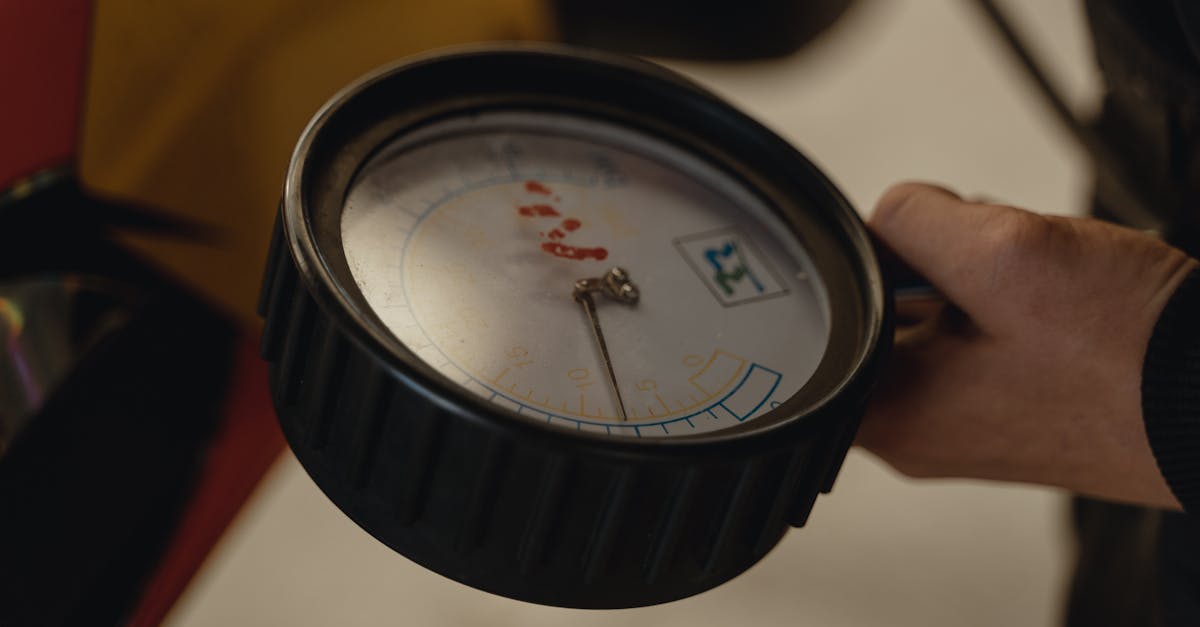
Most shops charge $100–$200 to diagnose an AC problem. Dealerships apply that fee toward the repair if you proceed; independents often waive it entirely. Either way, get the diagnostic in writing: what they tested, what failed, and what the recommended repair costs.
If a shop diagnoses “low refrigerant” and only recommends a recharge, ask: Did you pressure-test for leaks? If they didn’t, you’re paying for a temporary fix. A proper leak test adds 30–45 minutes to the diagnostic but tells you whether you’re facing a $150 O-ring repair or a $900 condenser replacement.
Here are the concrete numbers to ask for so you can verify the diagnostic yourself:
Static pressure (engine off): A fully charged system should read 80–105 PSI on both the low and high sides when the ambient temperature is 70–80°F. Lower readings indicate a leak; uneven readings suggest a blockage.
Operating pressure (engine running, AC on max): Low-side pressure should be 25–45 PSI; high-side pressure should be 200–250 PSI for most systems. High-side readings above 300 PSI or low-side readings below 20 PSI point to compressor failure or a clogged expansion valve.
Vent temperature: With the AC on max and the engine at normal operating temperature, the air from the center vents should blow 35–45°F. Air above 50°F means the system isn’t cooling; temperatures in the low 30s with ice forming on the evaporator suggest overcharge or a failing expansion valve.
Ask the shop to write these readings on the diagnostic report. If they won’t, or if they only give you “low refrigerant” without pressure numbers, you’re not getting a complete diagnostic.
Refrigerant type: why it matters to your wallet
Most 1995–2020 vehicles use R-134a refrigerant. Newer cars—particularly those built after 2021—use R-1234yf due to EPA environmental regulations. The newer refrigerant costs significantly more: expect to pay $50–$150 extra for a recharge compared to R-134a. Parts availability also varies by region, and not all independent shops stock R-1234yf equipment yet.
Pre-1995 vehicles with R-12 refrigerant are rare and require specialized recovery equipment. Most shops convert these systems to R-134a during a major repair, adding $200–$400 to the total.
Check your vehicle’s underhood sticker or owner’s manual to confirm which refrigerant your system uses. If you’re shopping for a used car and plan to keep it long-term, factor in that R-1234yf service costs will run higher over the vehicle’s life.
Warranty coverage: what’s included and what you’ll pay out of pocket
Most manufacturer warranties exclude AC repairs after the basic 3-year/36,000-mile coverage expires. Powertrain warranties don’t cover AC components—they’re considered comfort features, not drivetrain.
Extended warranties and dealer service plans vary widely. According to Consumer Reports, some plans cover AC compressor and condenser failures but exclude refrigerant recharges and leak repairs, which are classified as maintenance. Read the exclusions list before buying. If AC coverage is important to you, confirm in writing that compressor, condenser, evaporator, and leak repairs are included—not just “climate control system.”
Roadside assistance plans typically don’t cover AC; they’re limited to breakdowns that leave you stranded. A broken AC in summer is uncomfortable but won’t trigger a tow.
The practical takeaway: if you’re evaluating an extended warranty or dealer maintenance package, ask specifically about AC component coverage and whether it includes diagnostics, refrigerant, and leak repairs. Many plans exclude the smaller, more frequent repairs (leak fixes, recharges) and only cover catastrophic failures (compressor, condenser). That’s backwards for budget planning—small leaks caught early save you money.
Dealer vs. independent: the trade-off

Independent shops undercut dealer labor rates by 20–40%. A compressor job that runs $1,200 at the dealer costs $800–$900 at a good independent. But dealers offer longer parts warranties (12 months unlimited miles vs. 3–12 months at independents) and have faster access to model-specific parts.
For a one-time repair on an older car, the independent wins. For a newer vehicle still under partial warranty or a complex dual-zone climate system, the dealer’s diagnostic speed and parts access may justify the premium.
One consideration: not all independents have R-1234yf recovery and recharge equipment yet. If you drive a post-2021 vehicle, call ahead to confirm they can service your refrigerant type. Dealers always can.
What varies and what doesn’t
Parts availability shifts the cost. A Honda Civic compressor is $300–$500 and in stock everywhere. Newer electric heat-pump systems (found in many 2020+ vehicles, including some Teslas) cost significantly more to service and require specialized training.
Seasonal demand peaks in summer when shops are fully booked, potentially delaying your service appointment. Schedule AC work in winter or early spring if it’s not urgent. You’ll also avoid the “we’re swamped” upcharge some shops tack on during peak season.
When to see a pro and when to worry
Weak AC in summer isn’t just uncomfortable—it’s a diagnostic window. Catching a small leak early costs $150–$300. Ignoring it for six months turns into a $1,200 compressor replacement when contamination spreads through the system.
Do not use “AC recharge in a can” kits for a leaking system. They’re a $20–$40 waste and often contain sealants that damage O-rings and clog components.
Refrigerant handling is regulated. Only EPA Section 609-certified technicians can legally recover and recycle refrigerant. This affects labor cost and ensures proper disposal—it’s not a corner worth cutting.
FAQ
How much does it cost to fix a car AC that isn’t blowing cold air?
Depends on the cause. Diagnostic: $100–$200. If it’s a simple leak, expect $150–$500 total. Compressor failure runs $500–$1,500. Blend-door actuator issues (which mimic AC failure) cost $200–$800.
Can I just refill my AC instead of replacing the compressor?
Only if the system isn’t leaking. If refrigerant is low, there’s a leak. Refilling without fixing the leak is a $150–$300 temporary fix; you’ll be back in 6–12 months. Fix the leak or replace the failed component for a permanent solution.
Is it cheaper to fix AC at a dealership or independent shop?
Independent shops run 20–40% cheaper on labor ($100–$150/hr vs. $150–$200/hr at dealers). Dealers offer longer parts warranties and faster diagnostics on newer cars. For older vehicles, independents are the better value. If you have a post-2021 vehicle with R-1234yf refrigerant, confirm the independent has the right equipment.
What’s the most common AC repair?
Refrigerant leaks from O-rings, hose fittings, or condenser corrosion. Small leaks cost $150–$500 to fix; condenser replacement runs $500–$1,900. The leak itself is common; the repair cost depends on where it’s leaking.
Does my warranty cover AC repairs?
Most manufacturer warranties exclude AC repairs after 3 years/36,000 miles. Extended warranties vary—some cover compressor and condenser failures but exclude refrigerant recharges and leak repairs. Read the exclusions list and confirm AC component coverage in writing before buying an extended plan.
AC repair costs vary, but the math doesn’t lie. Know which refrigerant type your vehicle uses, ask for diagnostic pressure and temperature readings in writing, and confirm system flushing is part of any compressor quote. The difference between a $200 band-aid and a $900 permanent fix is asking the right question up front.
General information, not professional mechanical advice. Costs vary by vehicle, region, and shop. For critical safety systems or when in doubt, consult a certified mechanic.