
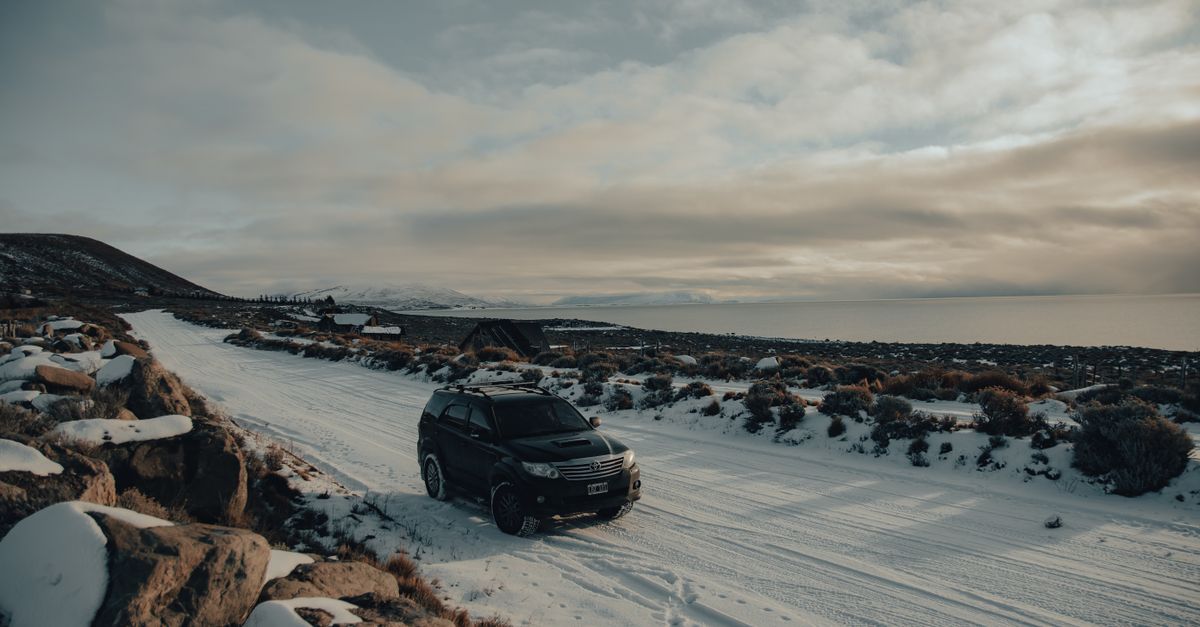
AWD sells cars. It doesn’t stop them. According to IIHS crash data, all-wheel drive helps you accelerate on snow but does nothing for braking — the part that actually keeps you out of a ditch. Winter tires work because they’re made from rubber compounds that stay flexible below 45°F, where all-season rubber stiffens and loses grip. The tread design — thousands of tiny cuts called sipes — creates biting edges that grip ice. That’s why Tire Rack testing shows winter tires reduce stopping distance by 20–30% on ice compared to all-seasons on the same vehicle. The dealership will upsell the AWD package for $2,000. A set of winter tires costs $600–900 and does more.
Here’s what actually matters for bad weather: electronic stability control (ESC, standard on everything since 2012 and proven by NHTSA to reduce single-vehicle crashes by 25–40%), ground clearance if you see deep snow, and the right tires for your weather. The car is secondary.
Quick verdict by region:
- Pacific Northwest / frequent rain, occasional snow (Seattle averages ~7” annually per NOAA): Honda CR-V or Mazda CX-5 with all-seasons. AWD optional; spend the difference on better glass and wipers.
- Upper Midwest / regular snow and ice, November–March (Minneapolis ~50–55”, Denver ~55–60” per NOAA): Subaru Outback with winter tires. AWD helps in unplowed parking lots; tires do the real work.
- South / rare ice storms, mostly wet roads: Toyota RAV4 or any front-wheel-drive crossover. Skip AWD; buy winter tires and leave them in the garage until the freeze hits.
At a glance
| Feature | Honda CR-V (FWD) | Subaru Outback (AWD) | Toyota RAV4 (AWD) | Mazda CX-5 (FWD) |
|---|---|---|---|---|
| Price (used, 2022–2024) | $26,000–$30,000 | $28,000–$33,000 | $29,000–$34,000 | $25,000–$29,000 |
| Drive type | FWD (AWD +$1,500) | Standard AWD | Standard AWD | FWD (AWD +$1,400) |
| Ground clearance | 8.2 in | 8.7 in | 8.6 in | 8.6 in |
| Braking (60–0 mph, dry) | 125 ft | 130 ft | 128 ft | 124 ft |
| ESC (stability control) | Standard | Standard | Standard | Standard |
| Best for | Rain-heavy climates | Regular snow, rural roads | Brand loyalists, resale | Rain + light snow, driving feel |
| 5-year fuel cost (12K mi/yr, $3.50/gal) | $8,200 (FWD) | $10,100 (premium) | $8,900 (regular) | $8,000 (FWD) |
| Biggest weakness | Road noise | Premium fuel, winter MPG hit | Numb steering, boring | Smaller cargo area |
Pricing verified October 2026 via KBB and Edmunds; varies by region and mileage. Fuel costs assume EPA combined ratings; winter driving reduces efficiency 5–15% seasonally per fueleconomy.gov.
If you see rain more than snow: Honda CR-V or Mazda CX-5 (FWD)
If your “bad weather” is six months of drizzle and two snow days a year, front-wheel drive with decent all-season tires is enough. Electronic stability control — standard on all cars since 2012 — is the real safety upgrade. ESC senses when the car starts to slide and selectively brakes individual wheels to prevent spinouts. NHTSA research shows ESC reduces single-vehicle crashes by 25–40%, far more than AWD contributes in normal winter driving. The CR-V and CX-5 both have strong ESC systems, good visibility, and 8+ inches of ground clearance for the occasional unplowed side street.
The CR-V is the safe pick: roomy, predictable, holds value, widely available used in the $26K–$30K range for a 2022–2024 model. It’s also boring to drive and has more road noise than the Mazda. If you don’t need maximum cargo space, the CX-5 feels better on twisty wet roads and runs $1,000–$2,000 less used, but you give up about 5 cubic feet of trunk room.
For both: skip the AWD upcharge unless you live on a steep unpaved driveway. The dealer will frame it as “peace of mind.” It’s peace of mind when you’re moving forward in a snowy parking lot. It does nothing when you’re braking downhill on a wet off-ramp, which is where the accidents happen.
Strengths:
- ESC handles wet pavement and light snow; AWD adds acceleration help but not braking
- Lower purchase and operating cost than AWD equivalents
- CX-5 has better steering feel; CR-V has better resale and cargo room
Weaknesses:
- If you see 4+ inches of snow regularly, you’ll wish you had AWD in unplowed areas
- All-season tires are a compromise; mediocre on ice, just okay in heavy rain
Best for: Seattle, Portland, Nashville, Atlanta — anywhere your “winter” is 95% rain and 5% panic over one inch of snow.
buying used car checklist
If you see snow every winter: Subaru Outback with winter tires
The Outback is the default answer for winter driving cars, and it’s mostly earned. Subaru’s symmetrical AWD system is always on (not reactive like Honda’s or Toyota’s), ground clearance is 8.7 inches, and it’s one of the few wagons left with decent used inventory. You’ll pay $28K–$33K for a 2022–2024 model, and you’ll burn premium fuel at 26 mpg combined. That’s before the winter efficiency hit.
Here’s the ownership-cost reality: According to EPA data, winter driving reduces fuel economy 5–15% due to cold-start enrichment, denser air, and longer warm-up times. For the Outback (26 mpg combined, premium fuel at $3.80/gallon average, 12,000 miles/year), that’s roughly $1,750/year in fuel. Add the 10% winter penalty, and you’re burning an extra $175–$260 per winter season. Over five years: $10,100 in fuel costs vs. $8,900 for a RAV4 on regular fuel. The Subaru costs $1,200 more over five years just in fuel, on top of its $2K higher purchase price used.
You’re paying for capability. Put winter tires on it from November to March, and the capability is real. Winter tires use rubber compounds engineered to stay pliable below 45°F — the temperature where all-season rubber hardens and stops gripping. The tread has deep siping (thousands of tiny slits) that creates biting edges on ice and channels away slush. Tire Rack testing shows this design cuts stopping distance on ice by 20–30% compared to all-seasons on the same vehicle. A set of Bridgestone Blizzaks or Michelin X-Ice runs $700–$900 installed. Mount them on cheap steel wheels so you can swap them yourself every season.
The Outback’s weakness is operating cost. Premium fuel, the winter MPG penalty, slightly lower reliability than Honda or Toyota (per Consumer Reports), and higher insurance due to its appeal to thieves in ski-town parking lots. If you’re comparing new, the RAV4 is $2K cheaper and runs on regular. Used, the gap narrows, and the Outback’s better driving position and standard AWD win out for regular snow.
Strengths:
- Always-on AWD handles unplowed roads and slush better than reactive systems
- High seating position, good visibility in whiteout conditions
- Winter tires + AWD + 8.7” clearance = you’re getting to work when others aren’t
Weaknesses:
- Requires premium fuel; 5-year ownership cost is $1,200+ more than RAV4 in fuel alone
- Winter fuel economy penalty hits harder on premium gas
- Higher theft risk in mountain states; insurance reflects that
Best for: Minneapolis, Denver, Upstate New York, Northern Michigan — anywhere seasonal snowfall measures 50+ inches annually (per NOAA climate data).
all wheel drive worth it
If you see ice twice a year: Toyota RAV4 (and keep winter tires in the garage)
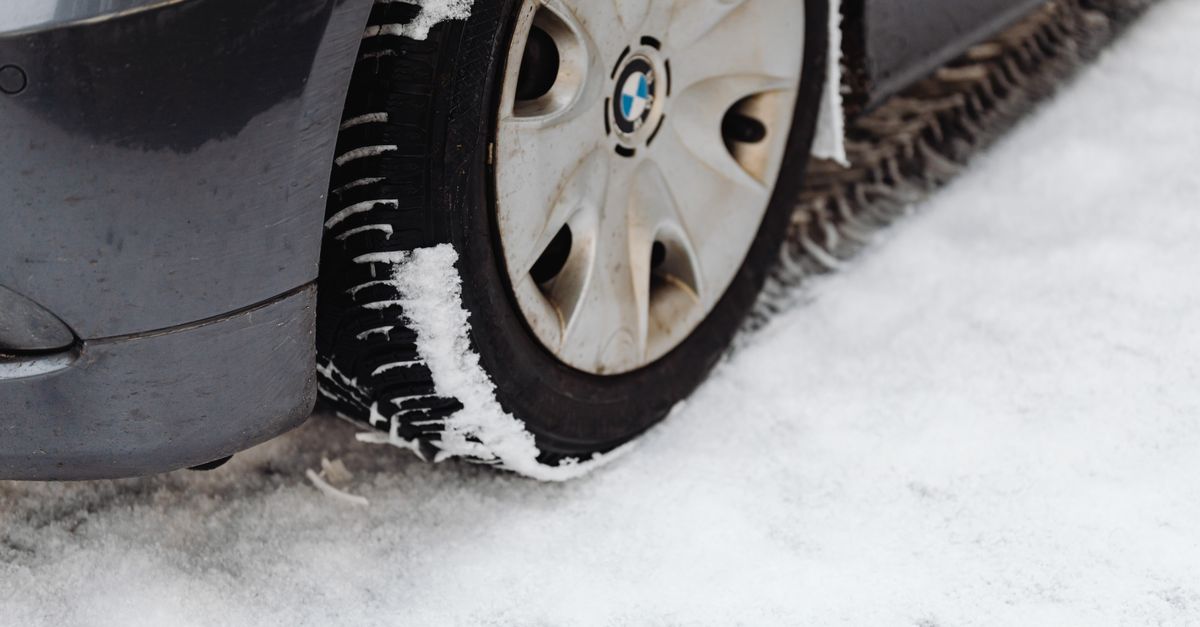
You live in North Carolina, Tennessee, or Texas. It rains a lot. Twice a year, freezing rain shuts down the city, and everyone with all-seasons drives into each other at 15 mph. You don’t need AWD year-round; you need winter tires you can throw on for the three days the roads are glazed.
The RAV4 checks the boxes: standard AWD on most trims, 8.6 inches of clearance, bulletproof reputation, strong resale. It’s also numb to drive, has a CVT that drones on the highway, and feels cheaper inside than the $32K used price suggests. You’re buying reliability and the knowledge you can sell it for 70% of what you paid in four years.
Here’s the play: buy the RAV4 (or the FWD CR-V if you want to save $1,500), then buy a set of winter tires on steel wheels. Store them in the garage. When the ice storm warning hits, swap them on the night before. All-seasons are engineered to compromise — okay in dry, okay in wet, mediocre on ice. Winter tires are purpose-built: the soft rubber compound grips when temperatures drop below 45°F, and the sipe-heavy tread bites into ice that all-seasons just skate across. You’ll use them six days a year. They’ll last a decade.
The math: $800 for a winter tire set vs. $2,000 for an AWD upcharge that doesn’t help you brake. You’re $1,200 ahead, and you’re safer when it actually matters.
Strengths:
- Resale value is absurd; depreciation is slower than inflation some years
- Reliability near the top of the segment
- AWD available if you want it, but FWD + winter tires works just as well for rare ice
Weaknesses:
- Boring to drive; steering feel is video-game vague
- Interior materials feel budget for the price
- CVT transmission is efficient but not pleasant
Best for: Charlotte, Dallas, Birmingham — anywhere your “bad weather” is an ice storm once or twice a year and you’re fine not driving those days if needed.
front wheel drive vs all wheel drive
What actually stops you: tires and ESC, not drive wheels
Every bad-weather-car article focuses on AWD. That’s because AWD is a $1,500–$2,000 dealer add-on with strong margins. Tires are an aftermarket expense the dealership doesn’t profit from, and electronic stability control is already standard, so they can’t upsell it. Here’s what the tests and crash data show:
- AWD vs. FWD on all-season tires (ice): AWD gets you moving faster. Both stop in similar distances. Braking is limited by tire grip, not drive wheels.
- FWD on winter tires vs. AWD on all-seasons (ice): Winter tires cut stopping distance significantly compared to all-seasons, regardless of drivetrain. The tires win.
- ESC impact: NHTSA research shows ESC reduces single-vehicle crashes (the kind you get in bad weather when you lose control) by 25–40%. Traction control prevents wheelspin under acceleration; ESC prevents the entire car from sliding sideways or spinning out during braking or cornering. ESC became federally mandated in 2012, which is why any car from that year forward has a baseline level of bad-weather competence that older cars lack.
- Ground clearance: Matters if you’re plowing through 6+ inches of unplowed snow. Below that, clearance is irrelevant; traction is everything.
Winter tire ROI: the actual numbers

A set of four winter tires (Bridgestone Blizzak, Michelin X-Ice, Nokian Hakkapeliitta) costs $600–$900 depending on your vehicle size. Steel wheels to mount them on: $300–$400. Total first-year cost: $1,000–$1,300. After that, you’re swapping twice a year; most tire shops charge $80–$100 to swap, or you do it yourself for free.
Compare that to:
- AWD upcharge on a new CR-V: $1,500
- AWD fuel penalty over 5 years (1–2 mpg loss, 12K miles/year, $3.50/gallon): ~$1,000
- Total AWD cost over five years: $2,500
Winter tires wear only when mounted (maybe 4 months a year), so a set lasts 6–8 seasons. Amortized cost per year: $130–$200. You’re spending less, and you’re stopping better when it counts.
If you already have AWD, great — add winter tires and you’ve maximized your traction. If you’re choosing between AWD and winter tires on a budget, buy the tires first.
cheapest suv to maintain
Ground clearance vs. weight: the trade-off nobody mentions
Crossovers have 8–9 inches of ground clearance. Sedans have 5–6 inches. That matters if you’re pushing through deep snow; the crossover won’t beach its undercarriage on a snow pile. But crossovers also weigh 500–800 pounds more than a sedan, and weight works against you when braking on ice.
A 2024 Honda Accord (FWD, 3,300 lbs) on winter tires will out-brake a 2024 CR-V (AWD, 3,800 lbs) on all-seasons every time. If your bad weather is ice and slush on plowed roads — not deep snow — a lighter FWD sedan with winter tires is safer than a heavy AWD crossover on all-seasons.
The Accord is also $4K–$6K cheaper used and gets 33 mpg combined vs. the CR-V’s 28. You give up cargo space and the high seating position. If you’re not hauling gear or kids, it’s the better call for wet and icy roads.
sedan vs suv pros cons
FAQ
Does all-wheel drive help in rain?
No. Rain is a braking and hydroplaning problem, not an acceleration problem. ESC (standard on all cars since 2012) prevents loss of control in the rain whether you have FWD or AWD. Tire tread depth and quality matter far more. If your front tires are down to 4/32” tread, you’ll hydroplane on any drive system. Replace them before winter.
Are winter tires worth it if I have AWD?
Yes. AWD helps you go; winter tires help you stop. The stopping is what prevents the crash. Winter tires use rubber compounds that stay flexible below 45°F (where all-season rubber stiffens) and tread sipes that bite into ice. If you see ice or snow more than twice a year, winter tires are the best $700 you’ll spend. If you see ice once a decade, you can skip them and just not drive that day.
What’s the best used SUV for snow under $25K?
2018–2020 Subaru Forester or 2017–2019 Honda CR-V. Both have good used inventory, standard ESC and safety tech, and 8+ inches of clearance. The Forester has standard AWD and runs premium; the CR-V is available in FWD (cheaper, better mpg) or AWD. Add winter tires to either and you’re set.
Do I need four winter tires or just two on the drive wheels?
Four. If you put winters only on the front of a FWD car, the rear will slide out in a turn because the back tires have less grip. If you put them only on the rear of an AWD car, the front won’t steer properly. Mixing tire types creates unpredictable handling. Four matched winter tires give ESC the traction it needs on all four corners to keep the car stable.
The dealer will sell you on AWD because it’s a profit center and it sounds like capability. Tires sound boring. But the stopping distance data doesn’t lie: winter tires matter more than driven wheels, and ESC (which you already have on any 2012+ car) closes most of the gap between FWD and AWD on wet or lightly snowed roads.
If you’re in the Pacific Northwest or Southeast and see rain plus occasional ice, a FWD crossover like the CR-V or CX-5 with a set of winter tires in the garage is enough. If you’re in the Upper Midwest or Rockies where seasonal snowfall tops 50 inches, the Subaru Outback with winters mounted November through March is the move — just budget for the premium-fuel penalty and winter MPG hit. If you’re in Texas or the Carolinas and ice happens twice a year, buy whatever fits your budget and keep a winter set ready to swap on.
The best car for bad weather is the one with the right tires and working ESC when the weather hits.
winter car maintenance checklist
General information only. This article is not professional mechanical, automotive, or financial advice. Before purchasing a vehicle, consult independent reviews, get a pre-purchase inspection from a certified mechanic, and research insurance costs and reliability for your region. The costs, resale values, and availability cited here vary by location and condition.