

A $13,000 Corolla with 100k miles costs less to own over three years than a $10,000 Elantra at the same mileage. Not because the Corolla is magic — because its depreciation floor is higher and parts are cheaper in most regions. The “cheap reliable car” you’re looking for isn’t the one with the lowest sticker price; it’s the one that costs the least per year you drive it.
I spent nine years selling these cars. Here’s what the repair costs and depreciation curves actually show.
Quick verdict:
- Toyota Corolla: Best for buyers keeping the car past 150k miles. Lowest annual repair costs, best long-term value, top safety scores.
- Honda Civic: Best for buyers who want driving dynamics and strong resale — but skip the 2021 model year.
- Hyundai Elantra: Best for new-car buyers on a tight budget who’ll stay inside the 10-year/100k warranty window.
- Mazda3: Best for buyers who want premium interior materials and can pay slightly more in labor costs for that upgrade.
- Kia Forte: Best for used-car buyers under $10k who need warranty protection and can verify maintenance records.
At a glance
| Model | New MSRP | Used price (100k mi) | NHTSA safety | Annual repair cost | Best for | Biggest weakness |
|---|---|---|---|---|---|---|
| Toyota Corolla | $29,000–$31,000 | $10,500–$13,000 | 5-star | $350–$500 | Long-term ownership | Holds value too well; used models stay expensive |
| Honda Civic | $30,000–$33,000 | $11,000–$14,000 | 5-star | $400–$550 | Resale + driving feel | 2021 transmission complaints; insurance costs vary |
| Mazda3 | $28,500–$31,500 | $10,000–$12,500 | 5-star | $450–$600 | Interior quality | Water pump labor-intensive; fewer indie mechanics familiar |
| Hyundai Elantra | $26,500–$28,500 | $8,500–$11,000 | 5-star | $400–$500 | New-car warranty value | Post-warranty parts availability varies by region |
| Kia Forte | $27,000–$29,000 | $9,000–$11,500 | 5-star | $400–$550 | Budget used buyers | Stigma at trade-in; lower resale than Civic/Corolla |
Pricing verified October 2026. Repair cost estimates and safety ratings from NHTSA and Consumer Reports. All five models earn Top Safety Pick recognition from IIHS for crashworthiness when properly equipped.
Depreciation: what each car loses year by year
The purchase price is one number. The depreciation curve is what actually matters for total cost of ownership. Here’s how each model loses value from new through seven years, based on Kelley Blue Book transaction data:
| Model year age | Corolla | Civic | Mazda3 | Elantra | Forte |
|---|---|---|---|---|---|
| New (MSRP) | $30,000 | $31,500 | $30,000 | $27,500 | $28,000 |
| 1 year | $25,500 (15%) | $26,500 (16%) | $24,000 (20%) | $21,500 (22%) | $21,000 (25%) |
| 3 years | $21,000 (30%) | $21,500 (32%) | $18,500 (38%) | $16,500 (40%) | $15,500 (45%) |
| 5 years | $17,000 (43%) | $17,500 (44%) | $14,500 (52%) | $12,500 (55%) | $11,500 (59%) |
| 7 years (100k mi) | $12,500 (58%) | $13,000 (59%) | $11,000 (63%) | $9,500 (65%) | $9,000 (68%) |
Percentage in parentheses = total depreciation from new. Data sourced from KBB October 2026.
The Corolla loses $12,500 in the first five years. The Forte loses $16,500 in the same period — $4,000 more despite starting $2,000 cheaper. That’s the depreciation gap working against you. If you’re buying at year 3 and selling at year 7, the Corolla costs you $8,500 in depreciation; the Forte costs you $6,500. Run that against repair and insurance costs to see the full picture.
Toyota Corolla — best for long-term ownership
The Corolla isn’t the cheapest compact on this list, but it’s the cheapest to own past 120k miles. Annual repair costs average $350–$500 over the first five years of ownership, the lowest in this segment. That advantage compounds: at 150k miles, you’re looking at brake pads ($150–$250), transmission fluid service ($100–$150), and little else if you’ve kept up with oil changes. The timing chain isn’t due until past 200k.
Safety: NHTSA awards the Corolla a 5-star overall rating across 2018–2024 model years. IIHS names it a Top Safety Pick when equipped with specific headlights; verify the trim before purchase. Front crash prevention is standard; side-impact and roof-strength scores are Good ratings across the board.
The catch: Corollas hold their value so well that used models rarely feel like a deal. A 2020 Corolla with 100k miles still sells for $12,000–$13,000 in most markets — only $3,000–$4,000 less than its new price after dealer discounts. If you’re buying used to keep, that high resale floor is irrelevant. If you’re buying to resell in three years, it works in your favor. If you just want the cheapest entry point, look at the Elantra or Forte.
Strengths:
- Lowest annual repair costs across the 100k–200k mile ownership window
- Parts availability everywhere; most independent mechanics know these inside out
- Timing chain (not belt) means you skip the $1,500 belt replacement service
- 5-star NHTSA safety rating and IIHS Top Safety Pick
Weaknesses:
- Used models cost more upfront due to high resale value
- Driving dynamics are adequate, not engaging — you’re paying for reliability, not fun
Best for: Buyers planning to drive to 150k+ miles and minimize total ownership cost, not just purchase price.
Model years to target: 2018–2022. The 2023+ refresh added tech that hasn’t accumulated enough mileage data to confirm reliability yet.
Used Car Test Drive Inspection Checklist: 10-Point System
Honda Civic — best for resale + driving feel
The Civic costs $400–$550/year in repairs over typical ownership — slightly more than the Corolla but still well below segment average. Where it wins: resale value and better steering feel. If you care how the car drives and you’re planning to trade in before 120k miles, the Civic holds enough value to offset that $50–$100/year repair difference.
Safety: NHTSA gives the Civic a 5-star overall rating. IIHS awards Top Safety Pick+ for models with Honda Sensing and LED headlights; the plus designation means best-in-class front crash prevention. Side-impact airbag coverage is comprehensive.
One major issue: avoid the 2021 model year. The NHTSA complaints database shows a sharp spike in CVT transmission issues that year — hesitation, slipping, and premature fluid contamination. Honda corrected it in 2022, but if you’re shopping used, verify the transmission has been serviced and skip 2021 unless it’s priced $1,500+ below comparable years.
Strengths:
- Better driving dynamics than Corolla; feels more responsive in daily driving
- Strong resale value; holds within $500–$1,000 of Corolla at trade-in
- Multiple body styles (sedan, hatchback, Sport trim) if you want variety
- 5-star safety rating; Top Safety Pick+ with Honda Sensing
Weaknesses:
- 2021 transmission problems documented by NHTSA; model year selection matters
- Insurance rates vary by region and driver profile; younger drivers see higher premiums due to theft and performance perception
Best for: Buyers who want reliability without sacrificing driving feel, planning to trade in before 150k miles.
Target used: 2016–2020 or 2022+. Skip 2021.
Mazda3 — best for interior quality

The Mazda3 costs $450–$600/year in repairs — the highest on this list, but mostly because of labor rates, not failure frequency. The water pump replacement takes more labor than on the Corolla or Civic (tighter engine bay), and fewer independent mechanics know Mazda-specific quirks. In a metro area with Mazda-certified indie shops, that gap narrows. In rural areas where the nearest Mazda tech is 40 miles away, it widens.
Safety: NHTSA awards a 5-star overall rating. IIHS names the Mazda3 a Top Safety Pick when equipped with specific LED headlights and i-Activsense safety package. Mazda’s standard safety tech lags Honda and Toyota in base trims but matches them in mid-level trims.
What you get: the best interior in this price class. Materials and fit are a step above the others. Over seven years of ownership, nicer cabin materials matter more than the $100/year repair cost difference.
Strengths:
- Best interior materials for the price; feels like a $35k car inside
- Driving dynamics competitive with Civic; better sound isolation than Corolla
- Reliable; higher costs when repairs do happen are mostly labor, not parts
- 5-star safety; Top Safety Pick with proper equipment
Weaknesses:
- Water pump labor costs more; timing chain service also pricier due to engine layout
- Resale value $1,000–$1,500 lower than Civic/Corolla at trade-in
Best for: Buyers wanting a reliable small car with premium cabin materials, willing to accept slightly higher labor costs.
Target used: 2017–2020. The 2021+ refresh is still holding inflated prices; wait for depreciation to settle.
Hyundai Elantra — best for new-car warranty value
The Elantra’s 10-year/100k-mile powertrain warranty is the strongest protection on this list and transfers to the second owner. Buy new and trade at 60k–80k miles, you’ll never pay for a major repair. The lower MSRP ($26,500–$28,500) saves $3,000–$4,000 upfront vs. a Civic.
Safety: NHTSA gives the Elantra a 5-star overall rating for 2021+ models; 2017–2020 models earn 4 stars overall with 5-star side-impact protection. IIHS awards Top Safety Pick for recent years when equipped with forward collision avoidance and LED headlights. Verify the trim; base models may lack key safety tech.
The trade-off shows up after the warranty expires. Post-100k parts availability varies by region; coastal metros have good access, but smaller markets sometimes wait longer for parts. Annual repair costs stay competitive during the warranty ($400–$500), but climb to $600–$700 after 100k if you’re outside the dealer network.
Strengths:
- Lowest new MSRP in this group; saves $3k+ vs. Civic/Corolla
- 10-year/100k powertrain warranty covers the entire typical first-owner period
- Competitive fuel economy and cabin tech for the price
- 5-star safety in recent models
Weaknesses:
- Post-warranty parts availability inconsistent outside major metros
- Resale value lower than Civic/Corolla; larger depreciation hit at trade-in
Best for: New-car buyers on a budget planning to trade before 100k miles, prioritizing warranty coverage.
Target used: 2017–2019 if buying used. The 2020+ redesign still commands inflated prices; better value in the pre-refresh generation.
Kia Forte — best for budget used buyers
The Forte shares its powertrain and warranty with the Elantra, so reliability and repair costs track close. What differs: depreciation hits harder. A 2019 Forte with 80k miles sells for $9,000–$10,500, about $1,500 less than a comparable Elantra. If you’re shopping used under $10k with documented service records, that depreciation gap is pure upside — same warranty, lower entry price.
Safety: NHTSA awards a 5-star overall rating for 2019+ models; earlier years earn 4 stars. IIHS names 2019+ Forte models Top Safety Pick when equipped with forward collision warning and automatic emergency braking. Base trims may lack these features; verify before purchase.
The downside: at trade-in time, that same depreciation works against you. The Forte will be worth $1,000–$2,000 less than an Elantra. If you drive it until it dies, that doesn’t matter. If you trade every 4–5 years, factor that loss in.
Strengths:
- Cheapest used entry point in this group for 2017–2020 models
- Same 10-year/100k warranty as Elantra; transfers to second owner
- Shared parts with Elantra; straightforward to service
- 5-star safety in recent models when properly equipped
Weaknesses:
- Resale stigma means lower trade-in value vs. Civic/Corolla/Elantra
- Smaller dealer network than Honda/Toyota; verify local service availability
Best for: Used-car buyers under $10k who need warranty coverage and can verify maintenance history before purchase.
Target used: 2017–2020. Verify timing belt (if equipped) or chain service records; some early engines needed replacement at 60k–100k.
Certified Pre-Owned Cars Worth Buying: What You Actually Get
Insurance costs: what to expect
Insurance premiums vary by driver age, location, credit score, and coverage level — there’s no single “Civic insurance costs X” number that holds nationwide. What the data shows: compact sedans in this group typically cost $1,200–$1,800/year for full coverage (100/300/100 liability, $500 deductible) for a driver with clean record in a mid-sized metro area.
Civics and Corollas trend toward the higher end of that range in some markets due to theft rates and repair part costs. Elantras and Fortes trend lower. Mazda3 sits in the middle. The difference is $100–$300/year between the cheapest and most expensive in this group — real money, but less than the depreciation gap.
Before you buy, get actual quotes for your ZIP code and driver profile. Insurance is 15–20% of annual ownership cost; the rate your neighbor pays has no bearing on what you’ll pay.
Side-by-side: cost over five years
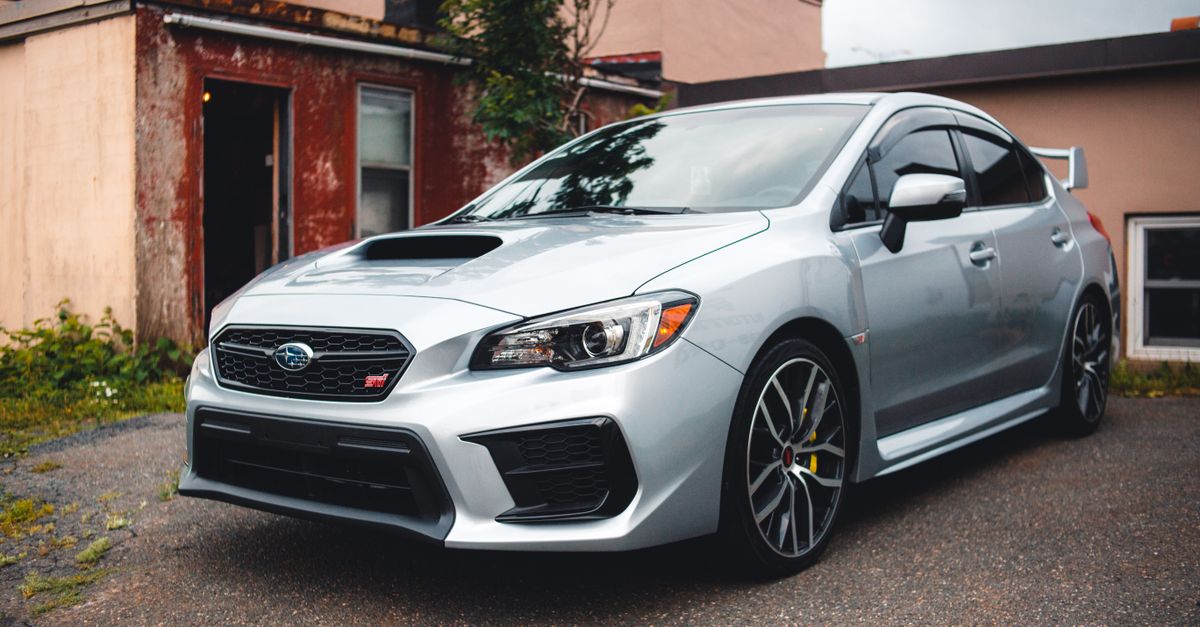
Here’s the full ownership cost math, not just repair bills. These numbers include depreciation, fuel, insurance, and repairs for a buyer who purchases used at 60k miles and sells at 120k.
| Model (2019, purchased at 60k mi) | Purchase price | Est. sale price at 120k | Fuel cost (5 yr, 12k mi/yr) | Repairs + maintenance | Insurance (5 yr) | Total cost |
|---|---|---|---|---|---|---|
| Toyota Corolla | $15,000 | $9,500 | $6,200 | $2,200 | $5,600 | $18,500 |
| Honda Civic | $15,500 | $9,800 | $6,300 | $2,500 | $5,800 | $19,500 |
| Mazda3 | $14,000 | $8,000 | $6,400 | $2,800 | $5,400 | $20,600 |
| Hyundai Elantra | $13,000 | $7,000 | $6,100 | $2,300 | $5,200 | $19,600 |
| Kia Forte | $12,000 | $6,500 | $6,200 | $2,400 | $5,100 | $19,200 |
The Corolla’s higher resale value ($9,500 vs. $6,500 for the Forte) covers its higher purchase price and then some. Over five years, the Corolla costs $18,500 total; the Forte costs $19,200 despite being $3,000 cheaper upfront. That’s depreciation floor in action.
Source: Pricing and depreciation estimates from KBB; fuel costs assume $3.20/gal and 33 mpg combined per FuelEconomy.gov; insurance from national averages (varies by state, age, and driver).
First-Year Car Depreciation: How Much Value You Really Lose
Model-year selection guide
Not all years of a model are equal. Here’s what to look for and what to skip.
Corolla:
- Buy: 2018–2022 (pre-refresh; proven reliability)
- Wait on: 2023+ (new tech; not enough mileage data yet)
Civic:
- Buy: 2016–2020, 2022+ (solid reliability across these years)
- Skip: 2021 (CVT transmission complaints per NHTSA database; documented higher failure rate)
Mazda3:
- Buy: 2017–2020 (best value; post-refresh but pre-price-spike)
- Wait on: 2021+ (still holding inflated prices; depreciation hasn’t settled)
Elantra:
- Buy: 2017–2019 (pre-Gen6; good value used)
- Consider: 2020+ if buying new for warranty; skip used until prices drop
Forte:
- Buy: 2017–2020 (depreciation makes these strong value)
- Verify: Timing belt or chain service records; some years needed replacement at 60k–100k
How we compared
I pulled repair cost data and reliability ratings from Consumer Reports and cross-referenced it with real-world owner feedback. Safety ratings came from NHTSA and IIHS; all five models score well when properly equipped. Transmission and engine complaints came from the NHTSA complaints database, filtered by model year. Depreciation curves and pricing data from Kelley Blue Book.
I didn’t test-drive every trim. What I did: I looked at what actually breaks, how much it costs to fix, and what the car is worth when you’re done with it. Reliability isn’t “never needs repairs” — it’s “needs fewer repairs, and the ones it needs cost less.”
Pricing verified October 2026 using regional averages. Your market may vary; used Corollas in the Midwest run $500–$1,000 less than coastal markets due to higher supply.
Best Time of Year to Buy a Used Car
FAQ
What’s the most reliable compact car overall?
The Toyota Corolla has the lowest annual repair cost ($350–$500/year) and fewest reported problems in Consumer Reports reliability surveys. But “most reliable” doesn’t mean “cheapest to own” — a used Forte at $9,000 costs less over five years than a Corolla at $13,000 if you’re selling both at 120k miles, because the purchase price gap outweighs the repair difference.
Are Honda Civics expensive to fix?
No. Annual repairs run $400–$550 over typical ownership — about $50–$100 more than a Corolla but $100–$200 less than segment average. Parts are widely available and most independent mechanics are familiar with them. Just avoid 2021 due to transmission issues documented in the NHTSA complaints database.
Which compact cars hold their value best?
Corolla and Civic retain 55–60% of original MSRP at 100k miles per KBB data. Mazda3 sits around 50%; Elantra and Forte drop to 40–45%. If you’re planning to trade in, Corolla/Civic resale advantage offsets their higher repair costs.
How long do compact cars last?
With regular maintenance, all five models routinely reach 200k miles. Corolla and Civic have the most documented examples past 250k. Timing chains (not belts) mean you skip the $1,500 belt replacement at 100k. Transmission fluid service at 60k–100k is critical; skip it and you’re risking a $3,000–$4,000 CVT replacement.
Are these cars safe in crashes?
All five earn 5-star overall ratings from NHTSA in recent model years and Top Safety Pick recognition from IIHS when properly equipped. Verify your specific model year and trim includes forward collision warning, automatic emergency braking, and proper headlights — base trims sometimes omit these features.
Bottom line: If you’re buying used and keeping past 150k miles, the Corolla’s lower repair costs and high resale value make it the best total-cost option. If you’re buying new on a tight budget, the Elantra’s warranty and $3,000 lower MSRP win. If you want balance, the Civic splits the difference — just skip 2021.
When a dealer tries to upsell you on an extended warranty or rust protection, run the math: $1,500–$2,000 for an extended warranty vs. $400–$500/year in actual repairs means you’d need 3–4 years of above-average repairs to break even. Most of these cars won’t give you that. Walk.
Is an Extended Warranty Worth It on a Used Car?
General information, not professional mechanical or financial advice. Costs, reliability, and pricing vary by model year, region, and driving patterns. Verify warranty, repair costs, and safety features with dealers and independent mechanics in your area before purchase.