
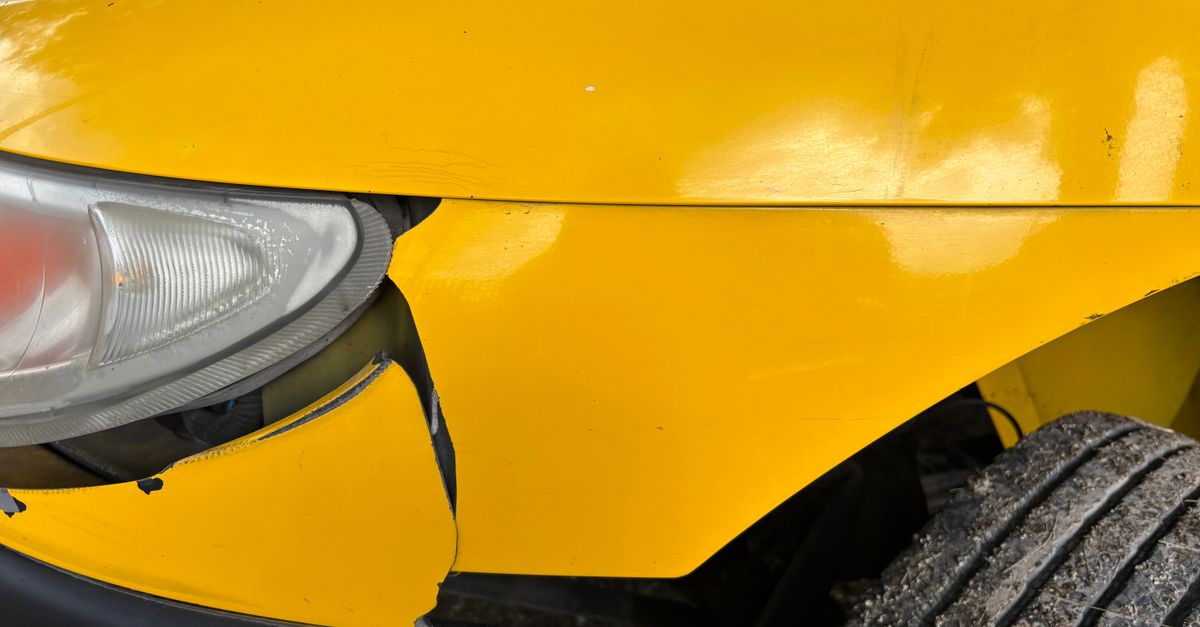
Most online sources treat this as obvious: touch-up pens are cheap and easy, resprays expensive and permanent. That leaves you guessing which you actually need. Here’s what twenty years in the shop taught me: touch-up works for damage smaller than your thumbnail on panels you don’t stare at every day. Everything else is money wasted on a fix that looks worse than the original chip.
Quick verdict:
- DIY touch-up is the right call for stone chips under 1 inch on side panels, roof, or lower doors — places where “good enough to stop rust” beats invisible
- Professional spot repair works for 1-3 inch damage on visible panels where full clear coat is intact and you’re okay with blending that’s noticeable in direct sun
- Full panel respray is the only real option for damage over 3 inches, anything on hood or fender edges, metallic or pearl finishes, or when clear coat has already failed
At a glance
| Repair type | Cost range (2025) | Damage limit | Realistic outcome | Lasts how long |
|---|---|---|---|---|
| DIY touch-up pen | $15–$40 (materials) | ≤1 inch chip, intact clear coat | Visible on inspection; stops rust | 1–3 years UV exposure |
| Professional spot repair | $200–$500 per panel | 1–3 inches, no edge/trim damage | Blending visible in sunlight | 3–5 years typical |
| Full panel respray | $400–$1,000 per panel | 3+ inches or multiple chips | Factory-grade if done right | 5–10 years with care |
(Pricing from RepairPal 2024 collision repair data and regional shop surveys; your cost varies 40–80% by location and labor rates.)
DIY touch-up — best for small chips you’d otherwise ignore
Touch-up pens exist to stop rust on stone damage, not to make your car look new. If the chip is smaller than a dime, on a flat panel below the body line, and you can live with a repair that’s visible up close, this is the move.
What actually works:
- Chips under 1 inch where base coat is exposed but clear coat around it is intact
- Non-metallic paint (solid colors blend better than metallic or pearl)
- Panels you don’t look at daily — lower doors, rocker panels, roof
- Damage that would otherwise sit and rust while you decide if a respray is worth it
What fails every time:
- Chips on hood leading edges, fender curves, or door handles — anywhere at eye level when you walk up to the car
- Metallic, pearl, or tri-coat finishes (the pen will never match; don’t even try)
- Damage over 2 inches or where clear coat is cracked around the chip
- Any expectation that it’ll be invisible — it won’t, and that’s the deal you’re making
I’ve seen people spend $100 on four different “color-matched” pens trying to hide a quarter-sized chip on a black metallic hood. It looked worse after every attempt. That’s $100 toward a respray they’re going to need anyway.
Cost: $15–$40 for a quality OEM-matched pen. If you’re doing it yourself, add $10 for fine-grit sandpaper and clear coat pen. Budget 30–45 minutes if you’ve never done it; 15 minutes once you know the drill.
more on 7 common car repairs you can do yourself (and real cost savings) covers other fixes in this category — small, cheap, and you’re trading perfection for cost savings.
Professional spot repair — the middle ground that’s rarely worth it
Spot repair means a shop feathers the damaged area into the surrounding paint, applies color and clear coat to a section of the panel, and buffs the transition. It works when damage is 1–3 inches, the surrounding finish is in good shape, and you understand “blended” doesn’t mean invisible.
When it makes sense:
- Damage just over the DIY threshold but localized to one area
- Solid-color or light metallic paint where blending has a chance
- You’re keeping the car another 2–4 years and resale isn’t critical
- The shop you trust says they can feather it without a hard edge
When it’s a waste:
- Dark or high-gloss finishes (every blending flaw shows)
- Damage near trim, door edges, or body lines (blending stops at a physical edge and the line is visible)
- Clear coat failure around the damage (you’re repairing over a substrate that’s already failing)
- Expecting it to look factory — it won’t, and you’ll be annoyed you didn’t respray the whole panel
Spot repair sits in an awkward middle: too expensive to feel like a bargain, not durable or invisible enough to feel like a real fix. Most of the time, you’re better off living with the damage or committing to a full panel respray.
Cost: $200–$500 depending on panel size and shop labor rates. UV and washing expose the blend line within 3–5 years.
Full panel respray — the only option that actually fixes it

A respray means stripping or sanding the damaged panel down to base, reapplying color and clear coat to the entire panel, and curing it properly. It’s the shop-only fix, and it’s the one that lasts.
When it’s the right call:
- Damage over 3 inches, multiple chips, or scratches across a panel
- Hood, fender, or door damage visible when the car is parked
- Metallic, pearl, or specialty finishes where touch-up has no chance
- Clear coat failure (hazing, oxidation, cracking) — more on that below
- You’re keeping the car 5+ years or resale appearance matters
What you’re actually paying for:
- Color matching with a spectrophotometer (not a generic code guess)
- Proper surface prep, priming if needed, and multiple coats with cure time between
- Clear coat with UV inhibitors that’ll last closer to factory spec
- Blending into adjacent panels if needed so there’s no visible line
Weaknesses you need to know:
- A respray will never be exactly factory — slight orange peel or swirl marks are normal, especially if the shop wet-sands and buffs
- Cost scales fast: one panel is $400–$1,000; two adjacent panels (hood + fender) can hit $1,500–$2,500
- Turnaround is 3–7 days depending on shop workload and whether they need to order paint
- Cheap resprays ($300 or less) skip steps — you’ll see it in six months when the clear coat hazes or the color fades unevenly
Best for: Anyone who wants the damage actually gone, not covered up. If you’re financing the repair or the car has sentimental or resale value, this is the move. If the damage is cosmetic and the car’s a beater, live with it or touch-up.
Cost: $400–$1,000 per panel (NADA collision repair benchmarks, 2024). Urban shops charge $75–$150/hour labor; rural shops $50–$100/hour. Luxury or specialty finishes add 50–100% to material cost.
When clear coat fails — repair strategies change
Clear coat is the transparent protective layer over your base color. It’s roughly 1.5–2 mils per layer, applied in multiple coats, and once it’s compromised — UV hazing, bird-dropping etching, oxidation, cracking — no amount of touch-up will fix it. This is where most people waste money.
Clear coat failure looks like:
- Hazing or yellowing (UV damage)
- Spiderweb cracking or crazing (thermal cycling or chemical attack)
- Dull, chalky texture (oxidation eating through to base coat)
- Peeling or flaking in sheets
What works and what doesn’t:
| Symptom | Fix that works | Fix that wastes money |
|---|---|---|
| Light hazing, no cracking | Polish + compound ($50–$150) | Touch-up pen (does nothing for clear coat) |
| Localized cracking <3 inches | Spot clear coat repair ($150–$400, shop-only) | Trying to blend clear coat yourself (visible overspray, uneven cure) |
| Panel-wide oxidation or peeling | Full panel clear coat respray ($300–$800) | Polishing it out (removes more clear coat, exposes base faster) |
Clear coat repair requires sanding the damaged area, reapplying clear to the entire panel (not just the damaged spot), and curing it under controlled conditions. This isn’t a DIY job — the finish has to be smooth, and any dust or uneven application shows immediately.
If your clear coat has failed across multiple panels or the damage is combined with paint chips, you’re looking at a multi-panel respray. That’s $1,000+ territory, and at that point the question is whether the car’s worth it.
I-CAR repair standards require clear coat repairs to blend into adjacent panels to avoid visible edges — another reason spot clear coat only works for small, localized damage. Beyond that, you’re respraying the panel.
Decision framework: size, location, and finish type

Here’s the call I’d make in the shop, panel by panel:
Damage ≤1 inch, side panel or roof, solid color: → DIY touch-up if you’re okay with visible repair. Cost: $20–$40. Lasts 1–3 years.
Damage 1–3 inches, door or quarter panel, light metallic: → Professional spot repair only if clear coat is intact and you accept blending visibility. Cost: $200–$500. Lasts 3–5 years.
Damage 3+ inches, hood or fender, any finish: → Full panel respray. Cost: $400–$1,000. Lasts 5–10 years.
Any damage, metallic/pearl/tri-coat finish: → Full panel respray (touch-up will not match). Cost: $400–$1,000+.
Clear coat cracking, hazing, or oxidation anywhere: → Panel clear coat respray or polish + compound depending on severity. Cost: $150–$800.
Multiple panels, or damage + clear coat failure: → Multi-panel respray. Cost: $1,000–$2,500+. At this point, consider whether you’re better off driving it as-is or trading it.
What the upsell looks like
Dealers and high-end body shops will push full respray even for chips that could be touched up, because their labor rate is $120–$150/hour and they make nothing on a $40 pen. Independent shops are more honest, but some will still recommend spot repair when touch-up would work, or multi-panel respray when one panel is enough.
The legitimate upsell is this: if you’re respraying one panel on a car with faded or oxidized paint on adjacent panels, the fresh paint will highlight how bad the rest looks. That’s real, and it’s worth considering. But “we need to blend three panels for color match” when the damage is a 2-inch door ding is padding.
Ask for an itemized estimate. Ask what happens if you do just the damaged panel. If they can’t explain why adjacent panels need work beyond “blending,” get a second opinion.
FAQ
Can you touch up car paint yourself?
Yes, but only if the chip is under 1 inch, the clear coat around it is intact, and you’re fine with a repair that’s visible on close inspection. Anything larger, on a metallic finish, or where you expect invisible results needs professional work.
How much does a full respray cost?
$400–$1,000 per panel as of 2025, depending on your region, shop labor rates, and vehicle type. Multi-panel jobs run $1,000–$2,500. Full-car resprays start at $3,500 and go past $10,000 for specialty finishes. (RepairPal cost data)
Does car paint touch-up look bad?
On metallic, pearl, or dark finishes, yes — the color never matches and the texture is wrong. On solid light colors, it’s visible but acceptable if applied carefully. Expectation matters: if “stops rust and doesn’t look terrible from 10 feet” is your bar, touch-up works. If you want invisible, it doesn’t.
How long does touch-up paint last?
1–3 years with UV exposure before it fades or chips again. Professional touch-up with clear coat and feathering lasts 3–5 years. Neither is permanent — they’re temporary fixes to delay a respray or prevent rust.
This is general information, not professional auto repair advice. Paint damage assessment varies by substrate condition, clear coat integrity, and repair goals. For anything beyond a small DIY chip repair, have a certified collision shop inspect the damage and provide a written estimate before committing to a repair strategy. What looks like a simple touch-up job can hide rust, dent damage, or clear coat failure that changes the scope and cost.
If you’re trying to decide whether a repair is worth it on an older car, Car Maintenance Schedule by Mileage: What’s Real vs. Upsell will help you think through overall ownership costs and whether putting money into cosmetic work makes sense given the car’s condition and your plans for it.