

The detailer pitching you a $1,500 ceramic coating isn’t lying when they say it lasts five years — they’re just not mentioning the $200–$400 in annual topups and pH-neutral soap you’ll need to make that happen, or that it won’t stop a single paint chip.
Quick verdict:
- Professional ceramic coating is best for garage-kept cars in coastal or high-contaminant areas where you’re already washing monthly and want maximum protection from environmental etching
- DIY ceramic coating is best for budget-conscious owners who can follow surface-prep instructions and want 12 months of protection without the installer markup
- Traditional wax or synthetic sealant is best for most daily drivers where $50 and four wax jobs per year beats a four-figure coating bill
- Paint protection film (PPF) is best when you actually need chip and impact resistance — ceramic doesn’t stop mechanical damage
At a glance
| Protection Type | Upfront Cost | Annual Maintenance Cost | Real-World Durability | Protects Against Chips? | Best For |
|---|---|---|---|---|---|
| Professional ceramic (multi-layer) | $800–$2,000 | $200–$400 | 18–36 months | No | High-end cars, coastal climates, garage storage |
| Professional ceramic (single-layer) | $400–$900 | $100–$200 | 12–24 months | No | Daily drivers, moderate budgets, regular washers |
| DIY ceramic coating | $30–$150 | $50–$100 | 6–12 months | No | DIYers with proper prep space and patience |
| Synthetic sealant | $30–$100 | $20–$40 | 6–12 months | No | Budget-conscious owners, easy application |
| Carnuba wax | $15–$50 | $20–$40 | 3–6 months | No | Traditional approach, low-tech, forgiving |
| Paint protection film | $2,000–$6,000 | $0–$100 | 5–10 years | Yes | Front bumpers, hoods, high-impact zones |
Professional ceramic coating — best for cars you garage and wash religiously
Professional ceramic coating is a nano-layer of silicon dioxide (SiO₂) that bonds to your clear coat and creates a hydrophobic, glass-like surface. The installer does full paint correction first — wet sanding, buffing, stripping embedded contaminants — then applies the coating in controlled temperature and humidity. Cure time is 7–14 days.
The pitch is durability and water-beading performance. The reality is that you’re paying $800–$2,000 for 18–36 months of protection if you maintain it correctly. That means monthly washes with pH-neutral soap (standard car wash soap at pH 8–10 degrades the coating faster), ceramic spray topups every 3–4 months, and no pressure washing in the first two weeks.
Strengths:
- Protects against environmental etching from bird droppings, tree sap, salt spray, and mineral deposits better than wax or sealants
- Reduces water spotting when combined with proper drying technique
- Makes washing easier due to hydrophobic surface; dirt doesn’t bond as aggressively
- Slows oxidation and UV fading (though it’s not a replacement for garage storage)
Weaknesses:
- Does not protect against chips, swirls, scratches, or key marks — that requires paint protection film
- High maintenance load: pH-neutral soap only, ceramic spray topups, careful drying
- Expensive upfront and over time; total 5-year cost including maintenance can hit $3,000–$4,500
- Durability claims (2–5 years, sometimes “10 years”) almost always require maintenance most owners don’t follow
- Adhesion failure and delamination are real if surface prep was poor; you won’t know for 6–12 months
Best for: Garage-kept cars in coastal or high-contaminant environments (salt spray, industrial fallout, tree sap) where you’re already washing monthly and the environmental etching risk justifies the cost. Not worth it if the car sits outside in the sun year-round or you’re not committed to the maintenance routine.
DIY ceramic coating — best for detail-obsessed owners on a budget
DIY ceramic coatings (Turtle Wax Ceramic, Adam’s Professional, Griots’ Garage) cost $30–$150 per bottle and give you 6–12 months of durability. The chemistry is similar to professional coatings — SiO₂-based nano-particles that bond to clear coat — but the formulations are more forgiving and designed for consumer application.
The catch is surface prep. You need a contaminant-free surface (clay bar treatment minimum, ideally paint correction), a controlled environment (garage, 60–80°F, low humidity), and patience. If you apply over wax residue, embedded tar, or in direct sunlight, the coating will delaminate within a few months.
Strengths:
- 70–85% of the hydrophobic performance of professional coatings at 5–10% of the cost
- Real 6–12 month durability when applied correctly
- No installer markup; you control the quality of surface prep
- Good entry point to see if ceramic coating maintenance fits your routine before committing to professional application
Weaknesses:
- Requires meticulous prep work and environmental control; most failures are user error, not product defect
- Shorter durability than professional coatings; you’ll re-apply annually
- No recourse if application fails; professional installers offer warranties (though those warranties often require you to return for paid maintenance)
- Still doesn’t protect against chips or mechanical damage
Best for: Owners who already detail their own cars, have a garage or controlled workspace, and want to try ceramic coating without the $800+ installer fee. Not for first-time detailers or anyone without proper surface-prep tools (clay bar, polish, isopropyl alcohol wipe-down).
Traditional wax and synthetic sealants — best for most daily drivers

Carnuba wax has been protecting paint for decades. You apply it every 3–6 months, it costs $15–$50 per tin, and it works. Synthetic sealants (polymer-based) last 6–12 months and run $30–$100. Both create a hydrophobic barrier, enhance gloss, and protect against UV and environmental contaminants — just not as long as ceramic.
Here’s the math: four wax applications per year at $20 per application (DIY cost including soap and materials) is $80 annually. Over five years, that’s $400 total. A professional ceramic coating is $1,500 upfront plus $200–$400 per year in maintenance, so $2,500–$3,500 over five years. The ceramic gives you better hydrophobic performance and less frequent re-application, but you’re paying 6–9x more for it.
Strengths:
- Low cost, low commitment, forgiving application
- Works in any environment; no pH-neutral soap requirement or curing period
- Easy to remove and re-apply if you mess up
- Decades of real-world durability data; no mystery failure modes
- Synthetic sealants offer 6–12 month durability, splitting the difference between wax and ceramic at a fraction of ceramic’s cost
Weaknesses:
- Shorter durability; you’re re-applying every 3–6 months (wax) or 6–12 months (sealant)
- Hydrophobic performance fades faster than ceramic, especially in high-UV or salt-spray environments
- Less resistance to environmental etching from bird droppings or tree sap left on the surface for extended periods
Best for: Daily drivers, budget-conscious owners, or anyone who doesn’t want to commit to the maintenance load of ceramic coating. Also the right call for cars parked outdoors year-round where ceramic’s durability advantage is eroded by constant UV and environmental exposure.
Paint protection film — best when you need actual chip resistance
Paint protection film is a completely different tool. It’s a thick urethane film (6–8 mils) applied to high-impact areas — front bumper, hood, fender edges, mirror caps, door edges. It absorbs rock chips, prevents scratches, and is self-healing on minor abrasions when exposed to heat.
PPF costs $2,000–$6,000 depending on coverage (partial front-end vs. full-body wrap). It lasts 5–10 years with minimal maintenance, and it actually stops mechanical damage. Ceramic coating does not.
Strengths:
- The only option here that prevents chips, scratches, and key marks
- Self-healing top layer repairs minor abrasions from heat exposure
- Long durability (5–10 years) with near-zero maintenance
- Can be combined with ceramic coating for maximum protection (PPF for impact, ceramic for hydrophobic surface and environmental contaminants)
Weaknesses:
- Expensive upfront; $2,000 is entry-level for partial coverage
- Visible edge lines if not installed perfectly; cheaper installers leave noticeable seams
- Yellowing and degradation in high-UV climates after 5–7 years on older film formulations (newer films have better UV resistance)
- Overkill for most daily drivers unless you’re in a high-chip environment (gravel roads, highway commutes behind trucks)
Best for: High-end or new cars where paint chips are expensive to repair, or any car in a high-debris environment (rural roads, construction zones, long highway commutes). Often used in combination with ceramic coating — PPF on the front end for impact, ceramic on the rest of the car for environmental protection and hydrophobic performance.
Side-by-side: durability and what actually breaks down
Ceramic coating marketing says “5 years” or “10 years,” but here’s what actually happens over time:
Ceramic coating degradation timeline:
- Months 0–12: Full hydrophobic performance; water beads aggressively, contaminants wash off easily
- Months 12–24: Hydrophobic fade begins due to UV exposure and environmental breakdown; ceramic spray topups required to maintain beading
- Months 24–36: Noticeable performance drop; coating still present but beading inconsistent, especially on horizontal surfaces (hood, roof)
- Months 36+: Most coatings are functionally expired unless maintained with quarterly topups and professional re-coat at year 2–3
Failure modes (why ceramic coatings fail early):
- Poor surface prep: Coating applied over wax residue, embedded tar, or contaminants; delamination within 3–6 months
- Improper curing environment: Applied in direct sunlight, high humidity, or temperatures outside the 60–80°F range; adhesion never fully develops
- Wrong soap pH: Washing with standard car wash soap (pH 8–10) accelerates breakdown; pH-neutral soap (pH 6.5–7.5) required
- Pressure washing too soon: High-pressure water in the first 7–14 days damages adhesion before the coating fully cures
Wax and sealant degradation is simpler: UV breaks down the protective layer, you see reduced beading and gloss, you re-apply. No mystery failure modes, no adhesion concerns.
PPF degradation: Yellowing and edge-lift after 5–7 years in high-UV climates on older films; newer formulations (XPEL Ultimate Plus, SunTek Ultra) have better UV inhibitors and last closer to 10 years.
Side-by-side: total cost of ownership over 5 years
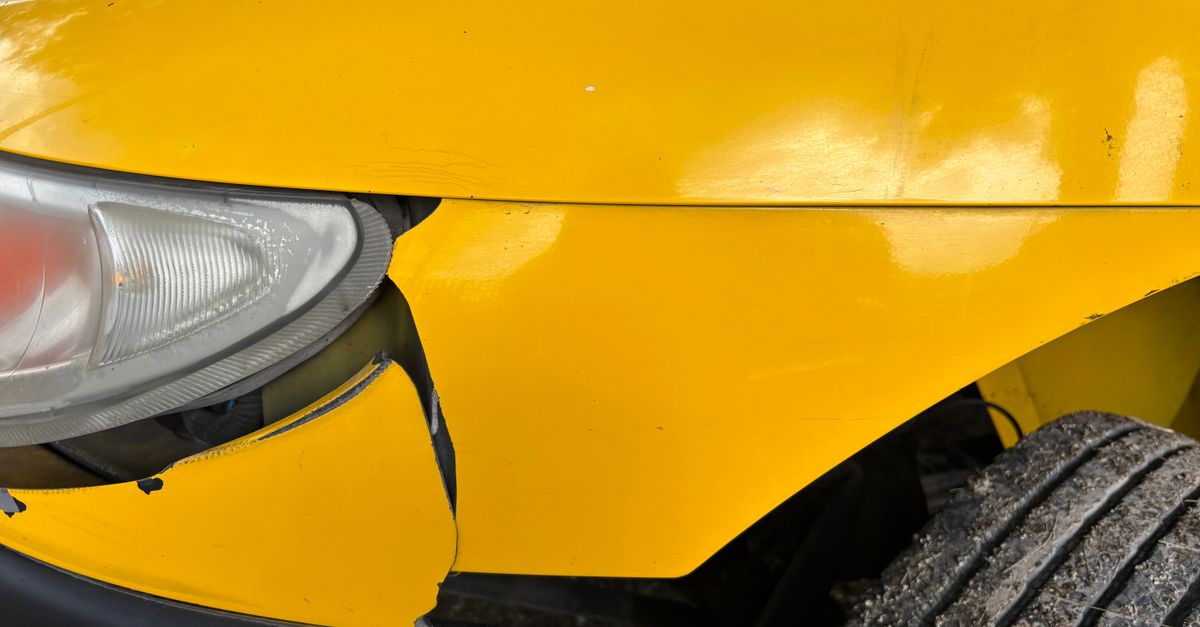
Here’s the part the detailer doesn’t put in the pitch — what you actually pay over five years when you factor in maintenance:
| Protection Type | Year 1 Cost | Annual Maintenance (Years 2–5) | 5-Year Total | Cost Per Year |
|---|---|---|---|---|
| Professional ceramic (multi-layer) | $1,500–$2,000 | $300–$400 | $2,700–$3,600 | $540–$720 |
| Professional ceramic (single-layer) | $800–$1,200 | $150–$250 | $1,400–$2,200 | $280–$440 |
| DIY ceramic coating | $100–$200 | $80–$120 | $420–$680 | $84–$136 |
| Synthetic sealant | $50–$100 | $40–$60 | $210–$340 | $42–$68 |
| Carnuba wax | $40–$60 | $30–$50 | $160–$260 | $32–$52 |
| Paint protection film (partial front) | $2,000–$3,500 | $0–$50 | $2,000–$3,700 | $400–$740 |
Maintenance costs include:
- Ceramic coatings: pH-neutral soap ($12–$18 per bottle, 4–6 bottles/year), ceramic spray topups ($20–$40 per bottle, 2–4 bottles/year), or professional re-coat every 2–3 years ($300–$800)
- Wax/sealant: standard car wash soap, wax or sealant re-application 2–4x per year
- PPF: standard washing; no special products required
The 5-year cost gap between wax and professional ceramic coating is $2,100–$3,400. You’re paying that premium for hydrophobic performance, reduced washing effort, and better environmental-contaminant resistance. Whether that’s worth it depends on your car’s value, storage situation, and how much you care about water beading.
What ceramic coating actually protects against (and what it doesn’t)
Ceramic coating DOES protect:
- Bird droppings, tree sap, and bug splatter etching (the hydrophobic surface makes these easier to remove before they bond to clear coat)
- Salt spray and mineral deposits in coastal environments
- Water spotting when combined with proper drying
- UV oxidation and color fade to a limited degree (ceramic provides some UV barrier but isn’t a replacement for garage storage)
Ceramic coating DOES NOT protect:
- Paint chips from road debris (that’s PPF territory)
- Scratches, swirls, or key marks (mechanical damage requires paint protection film or careful washing technique)
- Brake dust or road tar (you still need chemical removers; ceramic just makes removal slightly easier)
- Acidic rain or bird-dropping etching if left on the surface for extended periods (ceramic reduces damage but doesn’t eliminate it)
The marketing phrase “self-cleaning coating” is an exaggeration. Ceramic coating makes dirt easier to wash off due to the hydrophobic surface, but you still need to wash the car monthly. It’s not magic.
Is ceramic coating worth it?
You’re a good candidate for professional ceramic coating if:
- Your car is garaged or covered, not parked outdoors 24/7 in the sun
- You’re already washing monthly and committed to maintenance (pH-neutral soap, ceramic spray topups)
- You live in a coastal or high-contaminant area (salt spray, industrial fallout, tree sap) where environmental etching is a real concern
- You’re keeping the car 5+ years and the total cost spread over that period makes sense relative to the car’s value
- You want the hydrophobic performance and are willing to pay 6–9x more than wax for it
Skip ceramic coating and stick with wax or sealant if:
- The car is parked outdoors year-round in high-UV climates (ceramic’s durability advantage is cut in half by constant sun exposure)
- You’re not washing monthly or committed to pH-neutral soap and maintenance
- The $2,500–$3,500 five-year cost doesn’t make sense relative to the car’s value or your budget
- You want low-commitment protection that’s easy to re-apply and doesn’t require special products
Get paint protection film instead if:
- You actually need chip and impact resistance (front bumper, hood, highway commutes, gravel roads)
- The car is new or high-value and paint chips are expensive to repair
- You’re in a high-debris environment where rock chips are inevitable
Combination approach (PPF + ceramic) makes sense if:
- You’re protecting a high-end car and want maximum coverage — PPF on the front end for impact, ceramic on the rest for environmental protection and hydrophobic performance
- Budget allows for $3,000–$5,000 upfront investment in paint protection
FAQ
Can I apply ceramic coating myself and get the same results as a professional installer?
You can get 70–85% of the hydrophobic performance at 5–10% of the cost, but durability will be shorter (6–12 months vs. 18–36 months) and the risk of application failure is higher. The main difference is surface prep — professional installers do full paint correction, wet sanding, and controlled-environment application. If you skip those steps or apply over contaminated paint, the coating will delaminate within 3–6 months. DIY ceramic is worth it if you have proper prep tools (clay bar, polish, isopropyl alcohol) and a controlled workspace; otherwise, pay for professional application or stick with wax.
What happens if I use regular car wash soap instead of pH-neutral soap on ceramic coating?
Standard car wash soap runs pH 8–10, which is alkaline enough to break down ceramic coatings faster. You’ll see hydrophobic fade sooner — a coating rated for 24 months might only last 12–18 months. pH-neutral soap (pH 6.5–7.5) is gentler on the nano-coating and extends durability. The soap itself costs 2–3x more than standard wash soap ($12–$18 per bottle vs. $5–$8), which is part of the hidden maintenance cost.
Does ceramic coating eliminate the need for waxing?
Yes — in fact, you should not apply wax over ceramic coating. Wax sits on top of the ceramic layer and reduces hydrophobic performance. Ceramic coatings are designed to be standalone protection. If you want to refresh the hydrophobic surface between professional re-coats, use a ceramic spray topper (also called a boost spray), not wax.
How do I know if my ceramic coating has failed?
Loss of water beading is the most visible sign. If water no longer beads aggressively and instead sheets or spots on the surface, the hydrophobic layer has degraded. Other signs: increased dirt bonding (the car gets dirtier faster and is harder to wash), visible water spots that don’t wipe off easily, and contaminants (bird droppings, tree sap) that etch the paint more quickly. At that point, the coating is functionally expired and needs re-application.
General information, not professional detailing or financial advice. Coating durability, cost, and performance vary by product, installer, climate, and maintenance routine. Verify current pricing and product specifications before committing to any paint protection method.
For chip and impact resistance, ceramic coating is the wrong tool — see the [Paint Protection Film article] for when PPF makes sense instead.