

Dead battery at sunrise in January: $150 for the jump, $120–$200 for the replacement, and whatever meeting you just missed. Most winter failures telegraph in October — you need to know which numbers matter and which four tests tell you if your car will start when it’s 8°F outside.
Winterizing comes down to five checks: battery voltage, tire tread depth, coolant freeze protection, wiper condition, and emergency supplies. The dealer packages this as a $300–$500 “winter service.” You can handle the critical work yourself in under two hours for $40–$180, replacing only what the tests prove you need.
What you’ll need
Tools:
- Digital multimeter or battery tester ($15–$40)
- Tire tread depth gauge ($3–$8, or use the penny test)
- Antifreeze hydrometer ($8–$15)
- Flashlight
Materials (buy only what your tests show you need):
- New battery: $120–$200 (if voltage test fails)
- Winter wiper blades: $15–$30/pair
- Antifreeze/coolant: $12–$25/gallon (if freeze-point test fails)
- Windshield washer fluid (winter formula, -20°F rated): $4–$8/gallon
Optional:
- Winter tires: $400–$800 for four (worth it if you see regular snow/ice)
- Emergency kit supplies: $30–$80 total
Check 1: Battery voltage (5 minutes)
Your battery’s resting voltage tells you whether it’ll survive the first cold snap. Cold weather cuts cranking power significantly, so a battery that’s marginal in September is dead in December.
How to test:
- Car off, lights off, doors closed — let it sit untouched for 2+ hours (overnight is better).
- Set your multimeter to DC voltage (20V range).
- Touch red probe to positive terminal, black to negative.
- Read the number.
What the voltage means:
- 12.6V or higher: Fully charged, good to go.
- 12.4V–12.5V: 75% charge. Charge it with a maintainer or drive 30+ minutes highway, then retest.
- 12.3V or lower: Replace it now. It won’t make it through winter.
If you’re at 12.6V but the battery is 4+ years old, replace it anyway — cold kills aging batteries fast, and you don’t want to find out it’s done at 15°F. The Battery Council International notes that battery performance drops sharply in cold weather, and planning for the lower end of the typical lifespan range makes sense in cold climates.
Cost reality: A Group 24/35 replacement battery runs $120 at a parts store, $180–$250 at the dealer. The dealer’s “free installation” is rolling the labor into the battery price. Buy it yourself, swap it in the driveway (10 minutes, 10mm wrench), and save $60–$130.
Check 2: Tire tread depth and pressure (15 minutes)
Bald tires on ice are a lawsuit waiting to happen. You need 6/32” minimum for winter — that’s double the legal limit in most states, but it’s the point where snow traction drops off hard. The Tire Industry Association and NHTSA both identify deeper tread as critical for winter traction, well above the 2/32” legal minimum.
How to measure tread:
- Grab a tread depth gauge (any parts store, $5) or use a quarter: Insert it upside-down into the tread groove. If Washington’s head is visible, you’re under 4/32” — replace them.
- Check all four tires in three spots each (inner, center, outer tread).
Replace now if:
- Any tire measures under 6/32” and you see snow/ice regularly.
- Under 4/32” regardless of climate.
- You see uneven wear (feathering, cupping, bald spots on one edge).
Tire pressure in cold weather:
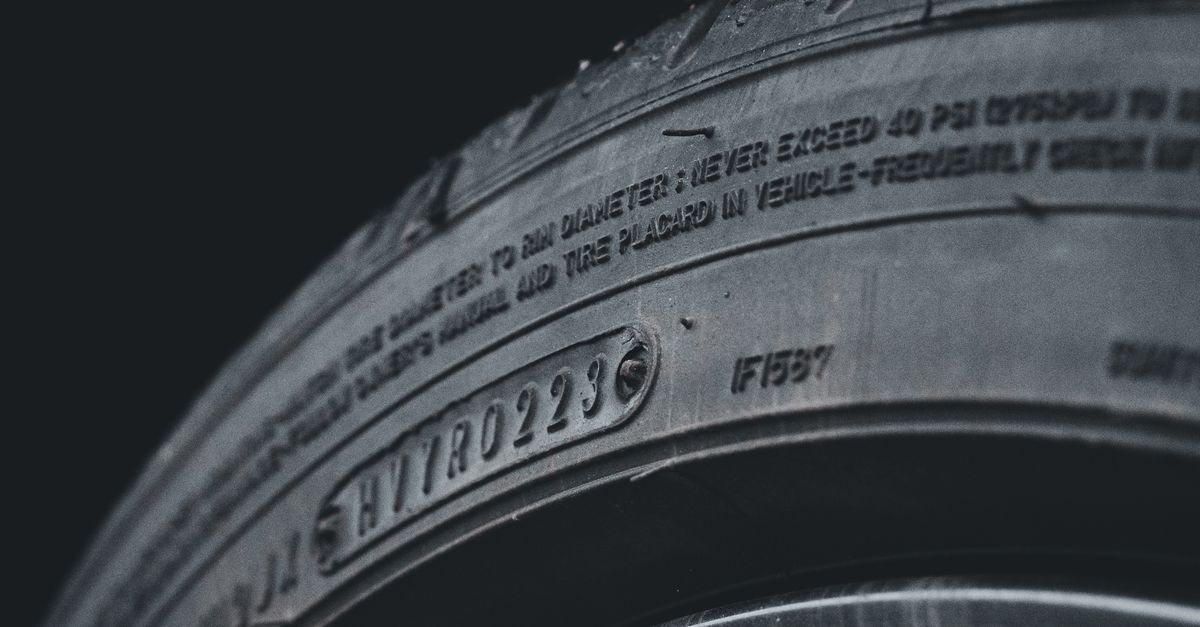
Air pressure drops roughly 1 PSI for every 10°F drop in temperature. This isn’t a one-time October fix — you need to recheck weekly once temperatures fall below 40°F. Underinflated tires lose traction, hurt fuel economy, and wear faster. Use the pressure listed on your door jamb sticker, not the max PSI stamped on the tire sidewall. Check when the tires are cold (car hasn’t been driven for 3+ hours) for an accurate reading.
Winter tire decision:
- You live where it snows/freezes 10+ days/year: Winter tires are worth it. They’re not just “snow tires” — the rubber compound stays flexible below 40°F, so you get better grip on cold, dry pavement too. Expect $400–$800 installed for four, depending on your car.
- Occasional flurries, mostly dry cold: Good all-seasons at 7/32”+ tread will do fine. Don’t let a service writer upsell you on winter rubber you’ll use twice.
Rotating your tires every 6,000–8,000 miles evens out wear and gets you closer to that upper lifespan number.
Check 3: Coolant freeze point (10 minutes)
Coolant that’s lost its potency freezes, cracks your block, and turns your engine into a $4,000 paperweight. Test it every fall — a proper 50/50 antifreeze mix provides freeze protection well into negative temperatures, but old or diluted coolant loses that margin.
How to test:
- Engine cold (don’t crack the radiator cap on a hot engine — you’ll get scalded).
- Open the cap or coolant reservoir.
- Draw a sample with your hydrometer ($10 at any parts store).
- Read the freeze-point scale on the tester.
What to do:
- Freeze point well below zero (typically -30°F or lower for 50/50 mix): You’re set.
- Freeze point above -20°F: Drain and replace the coolant. DIY cost is $20–$30 for a gallon of prediluted 50/50 mix; flush and fill takes 30–45 minutes if you’ve done it before. Or pay a shop $80–$120.
- Rusty or brown coolant: Flush it regardless of freeze point. Degraded coolant corrodes the system from the inside.
If you’re in a climate where -20°F is routine (Minnesota, North Dakota, anywhere that sees extreme cold regularly), consider a 60/40 antifreeze-to-water mix for added protection. More antifreeze than that and you lose heat transfer efficiency.
Check your owner’s manual for the coolant type (OAT, HOAT, IAT) — mixing the wrong chemistry turns it into sludge.
Check 4: Wiper blades and washer fluid (10 minutes)
You can’t drive what you can’t see. Streaky wipers in a slush storm are a visibility hazard, and summer washer fluid freezes solid at 32°F, leaving you blind behind a salt-caked windshield.
Wipers:
- If they streak, chatter, or leave gaps, replace them. Winter blades ($15–$30/pair) have a rubber boot over the frame to keep ice from jamming the joints.
- Standard blades work fine if they’re new and you clear ice off before running them.
Washer fluid:
- Dump the summer stuff (freezes at 32°F) and fill with winter-rated fluid (good to -20°F or colder). Costs $4–$8/gallon.
- Top off weekly if you’re driving in road-salt country — you’ll burn through it fast.
Check 5: Emergency kit (20 minutes to assemble)

Breakdowns happen. Cold makes them dangerous. The right emergency kit is the difference between waiting 20 minutes in a warm car and risking hypothermia in a dead one.
Critical items:
- Portable jump starter ($40–$80) vs. jumper cables ($15–$25): The jump starter wins. It works on a completely dead battery with no second car needed. Cables require another vehicle, which may not show up for an hour on a rural road at night. If you’re going cables-only, make sure they’re 4-gauge or thicker and at least 12 feet long.
- Thermal emergency blanket ($8–$12) or sleeping bag: Mylar blankets pack small but reflect 90% of body heat. A cheap sleeping bag is bulkier but easier to use if you’re stuck for hours.
- Flashlight + extra batteries: LED headlamp ($12–$20) is better — keeps your hands free.
- Ice scraper and snow brush
- Small folding shovel ($15–$25)
- Hand warmers (disposable packs, $8 for 10-pack): Toss a few in the glove box; they’re good for 8–10 hours and cost nothing.
- Windshield washer fluid (extra gallon): You’ll drain the reservoir fast in a snow/salt mix.
- Bottled water + non-perishable snacks: Replace every 6 months.
- First-aid kit
- Reflective triangle or road flares
- Charged phone + charging cable
Optional but smart:
- Bag of sand or kitty litter (traction if you’re stuck)
- Tow strap
- Tire inflator + sealant (if you don’t have a spare)
Cost for the basics: $50–$80 if you’re starting from scratch. A kit this complete turns a breakdown from an emergency into an inconvenience.
Engine block heater: When it’s worth it
For most drivers, a good battery and proper coolant are enough. But if you’re parking outdoors in a climate where overnight lows hit -10°F to -20°F regularly — think Upper Midwest, northern climates, mountain towns — an engine block heater ($40–$150 installed) is nearly essential.
Why it matters in extreme cold:
- Reduces strain on the battery (cold oil is thick; the engine cranks harder)
- Cuts cold-start wear on engine components
- Gets your heat working faster
When you don’t need one:
- You’re in a garage overnight
- Your lows rarely drop below 0°F
- Your car starts fine in cold weather
Block heaters plug into a standard outlet. Set a timer to turn it on 2–3 hours before you leave; running it all night wastes electricity.
Test everything before the first freeze
Run the heat at full blast for 10 minutes. If it’s weak or blows cold, you’ve got a heater core or blend door problem — find out now, not at 5°F. Check that your defroster clears the windshield in under 5 minutes.
Test your four-wheel-drive or AWD system in an empty lot if you’ve got it. Hearing a grinding noise or seeing a warning light means a trip to the shop before you need it on an icy on-ramp.
When to call a professional
Skip the DIY and get a shop if:
- Your battery tests fine but the car cranks slowly or won’t start (starter or alternator issue, not the battery).
- Coolant is leaking, overheating, or you see oil mixed in (head gasket or radiator problem).
- You’ve never changed a battery or flushed coolant and don’t want to learn on a cold driveway — pay the $100–$150 for a shop to do a “winter check” package. Just verify what they’re actually testing and don’t buy add-ons (fuel system cleaner, cabin air filter, “engine treatment”) you don’t need.
What the dealer will try to sell you
Dealerships push “winter prep” packages for $300–$500. Here’s what’s usually in them and what it costs you to do it:
| Dealer Service | DIY Cost | Actual Need |
|---|---|---|
| Battery test + “replacement if needed” | $0 (multimeter test) + $120 battery if required | Legit — but test it yourself first |
| Coolant flush | $20–$30 in fluid | Only if freeze-point test fails or it’s rusty |
| Tire rotation + pressure check | $0 (air is free) | Good idea, but rotation is $20–$40 standalone |
| Engine block heater installation | $80–$150 (parts + labor) | Only needed if you’re parking outside in -10°F or colder regularly |
| Fuel system cleaner, air filter, “winter oil” | $60–$150 | Almost never needed unless you’re over the service interval anyway |
FAQ
Do I need winter tires or are all-seasons enough?
If you see snow/ice 10+ days a year, winter tires are worth the money — they grip better below 40°F even on dry pavement because the rubber compound stays soft. If you’re in a place where it flurries twice a winter and melts by noon, good all-seasons with 6/32”+ tread will do fine. Don’t let anyone upsell you on rubber you’ll use once.
How often should I replace my car battery?
Typical lifespan is 3–5 years; plan on the low end if you’re in a cold climate. Test the resting voltage every fall once the battery hits 3 years old. If it’s reading 12.4V or lower, replace it before winter — a marginal battery in September is a dead battery in January.
Can I use tap water to top off coolant?
Short answer: no. Tap water dilutes the antifreeze concentration and changes your freeze-point protection. If you’re more than a quart low, you’ve got a leak — find and fix it, then refill with the correct premixed coolant. Topping off with water just masks the problem and risks a frozen block.
What’s the right tire pressure for winter?
Use the number on the door jamb sticker (or owner’s manual), not the max PSI stamped on the tire sidewall. Cold weather drops pressure as temperatures fall, so check weekly once it’s below 40°F and add air when it’s cold. Underinflated tires cut traction and fuel economy; overinflated tires lose contact patch and ride like garbage.
Should I let my car warm up before driving in winter?
Modern fuel-injected engines need 30 seconds, maybe 60 if it’s below zero. Idling for 10 minutes wastes gas, builds carbon, and doesn’t warm the drivetrain (transmission, differential, wheel bearings). Start it, let it settle to a smooth idle, then drive gently until the temp gauge moves. The EPA and every OEM manual say the same thing: idling is inefficient warming.
Do I need an engine block heater?
Only if you’re parking outside in sustained temps at or below -10°F and your car struggles to start. A block heater ($80–$150 installed) warms the coolant so the engine cranks easier and reaches operating temp faster. For most drivers in most climates, a good battery and proper coolant protection are enough.
Winterizing is five checks and 90 minutes. Do them in October before the first freeze, and you’ll skip the dead-battery jump call, the bald-tire slide, and the $300 dealer package that’s half upsell. If any of the tests show a real problem — voltage under 12.4V, tread under 6/32”, freeze point above -20°F — fix it now. Waiting until it fails in January just costs more.
For year-round maintenance that keeps you ahead of breakdowns, see how to build a maintenance schedule and what your dashboard lights actually mean.
General information, not professional mechanical advice. Specifications and costs vary by vehicle make, model, and region. For critical safety systems or if you’re uncertain about any procedure, consult a qualified technician or your vehicle’s service manual.