

Winter maintenance will cost you $400–$1,500 depending on whether you need new tires, where you live, and whether you’re doing the work yourself or paying a shop. Tires dominate that budget—a set of four winter tires runs $400–$1,200 installed. Everything else (fluids, battery, brakes) is $200–$300 combined, and half of that is optional dealer upsell.
Most winterization checklists don’t separate what’s actually safety-critical from what the service desk wants to sell you in October. This one does. Here’s the breakdown by task, with shop prices, DIY alternatives, and which items matter in snow-belt states versus mild climates.
Winter Tires: $400–$1,200 and Worth Every Dollar
If you live anywhere with sustained snow or ice—basically the entire snow belt from the Rockies through the Midwest to the Northeast—winter tires are the single biggest safety upgrade you can buy. NHTSA testing shows winter tires significantly cut stopping distance on snow and ice compared to all-season tires once temperatures drop below 45°F. All-season rubber hardens in the cold and loses grip; winter tires stay pliable.
Cost breakdown:
- Compact sedan (15”–16” wheels): $400–$700 for four tires mounted and balanced
- Mid-size sedan or small SUV (17”–18”): $600–$900
- Large SUV or truck (18”–20”): $800–$1,200
That’s installed pricing at Tire Rack, Costco, or a local shop. Budget brands (Cooper, Firestone) land at the low end; premium (Michelin, Bridgestone Blizzak) push the high end. For most buyers, mid-tier brands like General Altimax or Nokian Nordman ($500–$800 installed for a sedan) deliver 90% of the performance at 70% of the cost.
Winter tires maintenance cost includes storage and rotation. Shops charge $40–$120 per year to store your summer set; rotation every 5,000 miles costs $20–$50. DIY storage is free if you have garage space—stack them flat or on a tire rack, out of sunlight. Lifespan is 3–6 seasons (40,000–60,000 miles) if you rotate on schedule.
All-season alternative: If you’re in a mild climate (South, Southwest, coastal California) where temps rarely dip below 40°F and snow is a once-a-decade event, skip winter tires. If you see regular snow or ice, they’re not optional—they’re the difference between stopping and sliding into the car ahead of you. See all season vs winter tires cost and performance for the full breakdown.
Tire Pressure Checks: Free and Weekly
Tire pressure drops noticeably in cold weather—typically 1–2 PSI for every 10°F the temperature falls. Set your tires to 32 PSI in October at 60°F, and by January at 0°F they’re notably under-inflated, chewing through tread, and costing you 3–5% in fuel economy.
Cost: Free. Check pressure every week in winter using a $10 digital gauge from any auto parts store. Inflate to the pressure listed on the driver’s door placard (not the max stamped on the tire sidewall). Gas stations provide free air; some charge $1–$2 if you’re not a customer.
This is the highest-ROI task on the winterization checklist. Five minutes and zero dollars prevent premature tire wear, improve stopping distance, and save gas.
Battery Test: Free Check, $100–$300 Replacement
Cold weather significantly reduces battery capacity. A battery that starts your car fine in summer will fail when the temperature drops if it’s already marginal. Extreme cold can cut cranking power to a fraction of its rated output, making reliable starts impossible.
Cost: Most shops and parts stores (AutoZone, Advance Auto) test batteries for free. If the test shows weak capacity or your battery is more than 4 years old, replace it before the first freeze. Replacement runs $100–$200 for a standard sedan battery, $200–$300 for larger vehicles or high-output batteries (trucks, luxury cars with stop-start systems).
DIY replacement saves $50–$80 in labor and takes 15 minutes. You need a 10mm wrench, basic safety sense, and awareness that batteries are heavy and contain sulfuric acid. If you’re unsure about handling it, have a shop do it. See how to replace car battery yourself for the step-by-step.
Oil Change: $40–$110, Not Seasonal
You don’t need “winter oil.” Modern motor oil is engineered to work year-round—the viscosity grade in your owner’s manual (5W-30, 0W-20, etc.) already accounts for cold starts. The “5W” or “0W” tells you how thin the oil flows when cold; the second number is its thickness at operating temperature.
Cost: Conventional oil change runs $40–$90; synthetic is $50–$110. Change per your maintenance schedule (every 5,000–10,000 miles depending on oil type), not because it’s October. If your next interval happens to land in winter, fine—go ahead. Otherwise, defer it.
Dealers sometimes try to upsell “winter-blend” oil or additives. Ignore it. Stick with the viscosity spec in your manual and you’re covered. Synthetic flows better in extreme cold and lasts longer between changes, which can make it cheaper per mile in many cases— see Synthetic vs Conventional Oil: Which Is Actually Cheaper? for the math.
Coolant Check: $0–$150 Depending on Age

Modern coolant is a 50/50 mix of antifreeze and water, typically rated to protect your engine down to about –35°F. Unless you’re in extreme cold (northern Canada, Alaska) or your coolant is old and degraded, you don’t need to touch it.
Cost: A mechanic can test coolant strength with a hydrometer for free or $5–$15. If the test shows weak protection or the coolant is dirty, flush it—$50–$150 at a shop, $30–$50 DIY.
Coolant flushing is a maintenance-interval task, not a seasonal one. Follow your owner’s manual (typically every 30,000–50,000 miles or 3–5 years). If you’re within that interval and the coolant looks clean (bright green, orange, or pink depending on type), you’re fine. Winter doesn’t accelerate coolant degradation. See car cooling system flush interval and cost for detailed timing.
Windshield Washer Fluid: $8–$15 Per Gallon
Buy winter-grade washer fluid rated to –20°F or colder if you’re in the snow belt. Summer fluid freezes solid and you’ll have no way to clear road salt and slush from your windshield.
Cost: $8–$15 per gallon at any auto parts store or big-box retailer. One gallon refills most reservoirs; keep a spare in the trunk. This is the cheapest safety item on the winterization checklist.
Brake Inspection: Free–$50, Pads $150–$400 If Needed
Salt, slush, and road spray accelerate brake corrosion. If you live in a region that salts roads heavily (Midwest, Northeast), have a shop inspect your brakes every fall—pads, rotors, and calipers. Most shops inspect for free or $20–$50.
Cost: Inspection is cheap insurance. If you need new pads, expect $150–$400 depending on vehicle and whether you’re doing front or all four wheels. Rotors add another $200–$400 if they’re warped or rusted. See Brake Pad Replacement: When You Really Need New Pads for signs you’re due.
Brake work isn’t strictly seasonal, but winter conditions expose worn brakes faster. If you notice reduced brake responsiveness, a soft pedal, warning lights, or longer stopping distance, have a shop inspect brakes immediately—do not defer. Brakes are a safety-critical system and should never be ignored.
Wiper Blades: $30–$80, Replace If Streaking
Winter wiper blades have a rubber boot that prevents ice buildup on the frame. Standard blades work fine in mild climates, but if you see regular snow or freezing rain, winter blades are $10–$15 more and worth it for the visibility gain.
Cost: $15–$40 per blade for standard; $25–$50 for winter-specific. Most vehicles need two (front); some trucks and SUVs have a rear blade too. Replacement takes five minutes—no tools, just pull the old blade off the hook and snap the new one on. If your current blades streak or chatter, replace them regardless of season.
What You Don’t Need: Dealer Upsells and Unnecessary Flushes
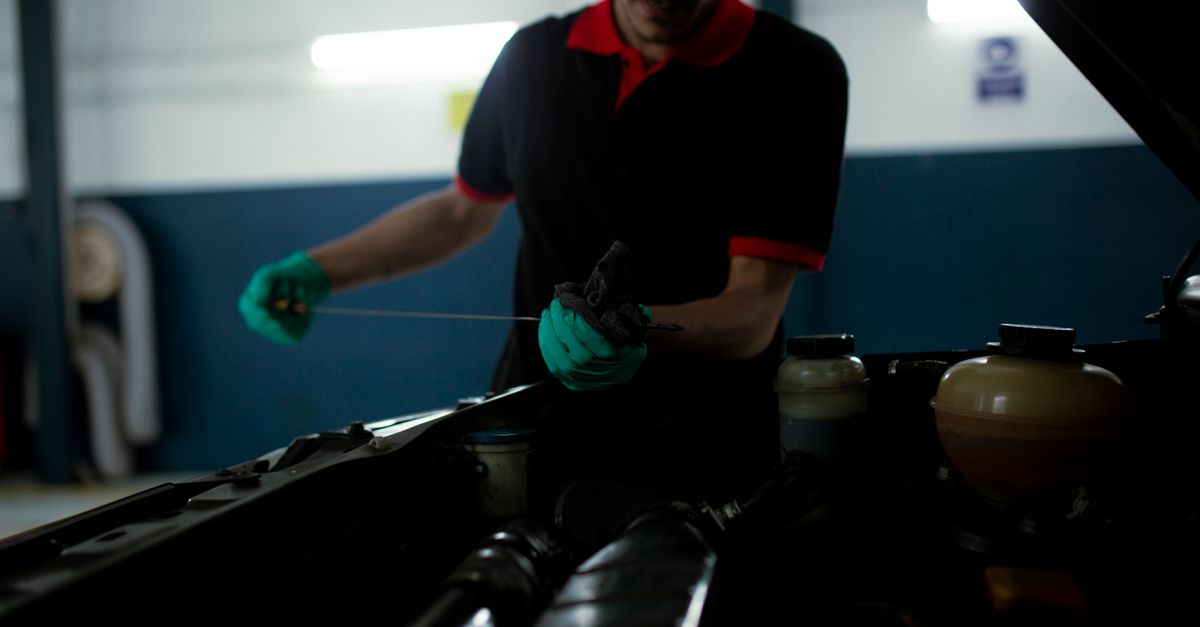
Dealers and quick-lube shops push a handful of winter services that are either optional or outright unnecessary. Here’s what to skip unless you have a specific reason:
Undercoating ($100–$300): Provides modest rust protection in salt-heavy regions, but ROI is debatable. If your car is new and you plan to keep it 10+ years in the Rust Belt, maybe. Otherwise, regular washing (especially the undercarriage) does more for less. See Is Undercoating Worth the Cost? Regional Math & Facts for regional cost-benefit.
Transmission/power steering/differential fluid flushes ($100–$300 each): These are maintenance-interval tasks, not seasonal. Cold weather doesn’t degrade these fluids faster. Follow your owner’s manual schedule and ignore the “winter flush” upsell. Most modern vehicles don’t need transmission fluid changed until 60,000–100,000 miles.
Fuel additives and injector cleaners ($15–$50): Marketing. Top Tier gasoline (sold at most major chains) already includes detergents. Unless you’re running a 20-year-old truck on bottom-shelf gas, skip it.
Engine block heater installation ($100–$300): Only necessary in extreme cold (–20°F or colder) and mostly for diesels. If you live in Minnesota or Alberta and park outside, fine. Otherwise, it’s overkill.
Winterization Checklist: What’s Critical, What’s Not
Here’s the full winterization checklist broken into safety-critical, maintenance-linked, and optional tasks. Focus your budget on the top section.
Safety-critical (do before first snow)
- Winter tires if you live in snow/ice region: $400–$1,200
- Tire pressure check: free, weekly
- Battery test and replacement if weak: $0–$300
- Brake inspection: free–$50
- Wiper blade replacement if worn: $30–$80
- Winter washer fluid: $8–$15
Total for safety tasks: $450–$1,600 depending on tire need and battery age.
Maintenance-linked (follow your schedule, not the calendar)
- Oil change if due per interval: $40–$110
- Coolant flush if due per manual: $50–$150
- Alignment check if you hit potholes: $75–$150
Total for maintenance tasks: $0–$400 depending on what’s actually due.
Optional or low-priority
- Undercoating: $100–$300 (regional; mild benefit)
- Fluid flushes (trans, PS, diff): $100–$300 each (defer unless manual says due)
- Fuel additives: $15–$50 (skip)
Regional Breakdown: Snow Belt vs. Mild Climates
If you live in the snow belt (Rockies, Plains, Midwest, Northeast, or anywhere with regular snow/ice and temps below 45°F):
- Winter tires are mandatory for safety. Budget $400–$1,200.
- Weekly tire pressure checks are non-negotiable.
- Battery testing and replacement if marginal: $0–$300.
- Winter washer fluid and wiper inspection: $40–$100.
Total winter prep (snow belt): $500–$1,600.
If you live in a mild climate (South, Southwest, coastal California, anywhere snow is rare and temps stay above 40°F most of winter):
- Skip winter tires unless you drive to the mountains.
- Battery test and top-off fluids: $0–$50.
- All-season tires and standard maintenance are fine.
Total winter prep (mild climate): $0–$100.
The cost difference is almost entirely the tire decision. If you don’t need winter tires, winterization is just a battery check and fluid top-off.
What Actually Drives the Cost
Winter car maintenance cost breaks into three buckets:
-
Fixed safety upgrades (tires, battery): $400–$1,500 depending on what you need. Tires are the big one; battery replacement is every 4–6 years, so it won’t hit every winter.
-
Routine tasks that happen to land in winter (oil, coolant): $50–$200. These are maintenance-interval tasks, not winter-specific. Don’t let a service advisor convince you otherwise.
-
Dealer upsells and optional services (undercoating, flushes, additives): $100–$600. Almost all of this is skippable unless your manual says it’s due.
The winterization checklist you actually need costs $500–$800 in the snow belt (mostly tires), $50–$150 in mild climates (mostly a battery check and washer fluid). Everything above that is either optional or timed to your maintenance schedule, not the season.
General information, not professional mechanical or financial advice. Costs and maintenance intervals vary by region, vehicle age, and service provider. For safety-critical work (brakes, tires, suspension) or if you’re uncertain about fluid condition or battery health, consult your owner’s manual or a qualified mechanic. Winter tire safety data sourced from NHTSA vehicle safety testing and AAA winter readiness research.