

You’re at the dealer signing papers on a new truck, and the finance manager slides over the undercoating add-on: $350, one-time protection, prevents rust for the life of the vehicle. Sounds good until you start asking mechanics what actually happens after year three. The coating wears off. The salt gets through. And nobody told you about reapplication.
The short answer
Undercoating slows rust formation in salt-heavy climates but doesn’t eliminate it, and most products need reapplication every 2–3 years to stay effective. In northern states where road crews deploy roughly 24 million tons of salt annually, undercoating on a new car kept 8+ years typically costs $950 in total (initial plus maintenance) and beats the $1,000–$2,500 you’d spend repairing frame and brake line corrosion. In dry climates like Arizona or New Mexico, it’s money you’ll never get back.
What undercoating actually does
Undercoating is a spray-on barrier—wax, polymer, or tar-based—applied to the undercarriage frame, fuel tank, brake lines, and suspension arms. Rust needs three things to start: bare metal, oxygen, and moisture. The coating blocks moisture from reaching the steel. That’s it. It doesn’t reverse existing rust, and it doesn’t stop salt from landing on your car—it just puts a temporary seal between the salt water and the metal.
Most manufacturers apply thin factory undercoating at the assembly plant, hitting high-risk zones like frame rails and wheel wells but leaving gaps around seams, door edges, and interior channels where water pools. Dealer and aftermarket versions are thicker and cover more area, but quality varies wildly depending on whether the shop takes the time to clean the surface first and reach the tight spots.
The durability nobody mentions up front
Here’s what the dealer pitch leaves out: undercoating wears off.
Factory coatings degrade in 2–4 years under regular salt exposure—faster if you live where they pre-treat roads in November and don’t stop salting until April. Aftermarket wax-based products last 1–2 years. Spray-on polymer systems claim 2–3 years, and in my experience that holds true if the car stays garaged and gets washed weekly in winter. If it sits outside and you skip the undercarriage rinse, expect the short end of that range.
Reapplication runs $150–$300 at a professional shop. Do that every other winter for 8 years and you’re looking at $750 in maintenance on top of the $200 initial application. The total: $950.
Compare that to what rust repair actually costs when you skip undercoating:
| Repair Type | Cost Range | What’s Failing |
|---|---|---|
| Surface rust (cosmetic) | $500–$1,500 | Bubbling paint, light pitting on body panels |
| Structural rust | $2,000–$5,000+ | Frame corrosion, fuel tank, brake line compromise |
| Undercoating (8-year maintenance) | $950–$1,200 | Preventative cost (initial + 3 reapplications) |
If you’re in Michigan or upstate New York and you’re keeping the vehicle past the warranty period, undercoating pencils out. If you’re in Phoenix, it doesn’t.
When undercoating pays for itself—and when it’s pure upsell

The decision comes down to three variables: climate, vehicle age, and how long you plan to own it.
New car + salt climate + long ownership (8+ years): Undercoating makes sense. You’re protecting clean metal, you’ll own the truck long enough to see rust develop, and the cumulative cost of maintenance undercoating ($950) is less than one structural rust repair ($2,000+).
New car + dry climate + any ownership duration: Skip it. I work in Phoenix where summer heat kills batteries and AC compressors, not frames. I’ve seen 15-year-old trucks with surface rust only where the owner scratched the bed with a trailer hitch. Undercoating here is dealer profit, not protection.
Used car (5+ years old) + salt climate: Marginal. If the car already has surface rust, undercoating traps moisture against existing corrosion and accelerates pitting. You’d need to strip and treat the rust first (add $300–$600 for media blasting and rust converter), then apply undercoating. At that point you’re $800 deep before the first reapplication. Run the math on how many more winters you’re planning to drive it.
Lease (any climate): Don’t bother. Rust liability transfers to the next owner. Your lease-end inspection cares about dents and tire tread, not frame oxidation that won’t show up for another three years.
Factory vs. aftermarket: what you’re actually getting
Factory undercoating is applied fast on the assembly line—think production speed, not detail work. It hits the obvious high-risk areas but misses the seams where water sits. I’ve pulled wheels on brand-new trucks and found bare metal inside the rear frame channel within six inches of factory-coated sections.
Dealer-applied undercoating after purchase is usually farmed out to a local shop. Quality depends entirely on whether that shop pulls the wheels, masks the exhaust and shocks, and cleans road grime off before spraying. A lazy application coats over dirt and oil, which means the undercoating peels off in sheets by year two.
Independent shops that specialize in rust prevention (usually in the Rust Belt) do it right: they wash the undercarriage, blow out the frame channels, and apply in two stages so coverage is even. Expect to pay $300–$400 for that level of work.
If you’re doing dealer undercoating, ask what shop they use and whether they remove the wheels. If the answer is vague, get it done elsewhere.
The risks nobody warns you about
Undercoating isn’t just “spray it and forget it.” Done wrong, it makes rust worse.
Trapped moisture: If you apply undercoating over existing surface rust, you’re sealing moisture against the metal. That rust progresses faster under the coating than it would in open air. I’ve seen quarter panels rot through because someone undercoated over bubbling paint and called it fixed.
Blind spots in coverage: Undercoating sprayed at high pressure misses the recessed areas where water actually pools—inside the frame, behind riveted brackets, around spot welds. Those gaps are where rust starts, coating or not.
Contamination of moving parts: Careless application coats brake lines (fine), but also shock absorbers, CV boots, and exhaust heat shields (not fine). I’ve diagnosed rattles that turned out to be undercoating flapping off a heat shield, and I’ve seen CV boots slip because they got coated with wax.
Fumes and VOCs: Tar-based undercoating off-gases volatile organic compounds for days after application. If the shop doesn’t ventilate properly or you drive the car into a closed garage that night, you’re breathing it. Wax and polymer formulas are better but still need airflow.
What works without paying for undercoating
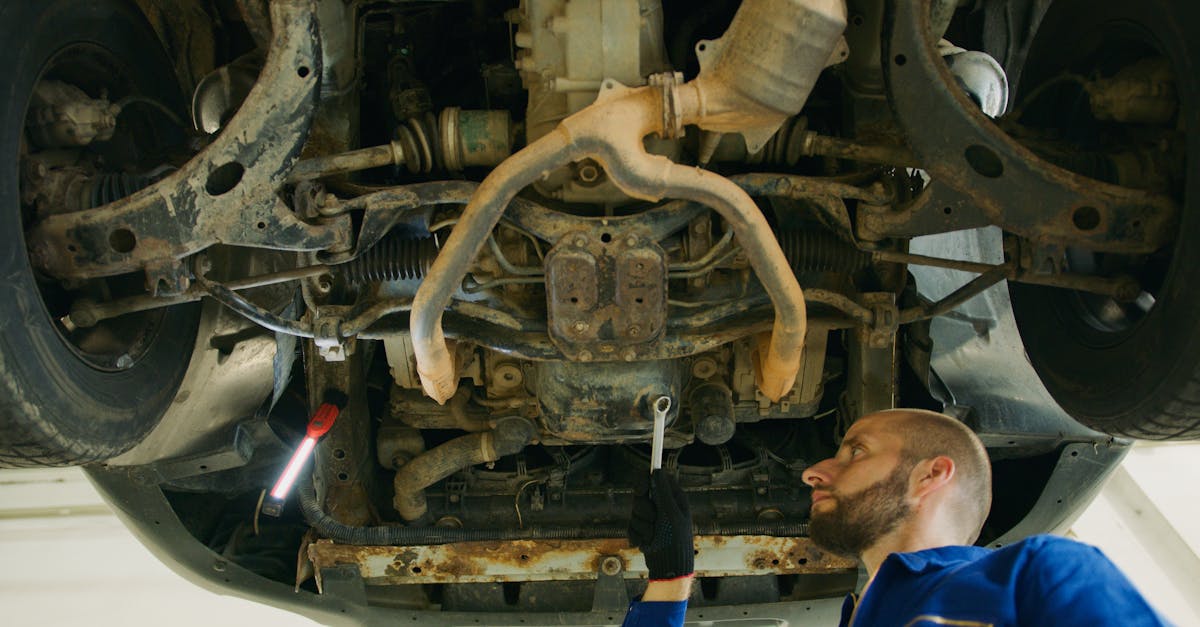
If you’re in a salt climate but don’t want to commit to $950 in undercoating maintenance, here’s what actually moves the needle on rust prevention:
Weekly washing in winter is the single most effective thing you can do. Touchless car washes with undercarriage spray remove salt before it has time to corrode. Cost: $5–$10 per wash. Effectiveness in my experience: around 60%, which beats doing nothing.
Garaged or covered parking keeps your car out of wet snow and morning frost, so salt residue stays dry instead of turning into brine every night. If you’re paying $100/month for heated garage space, you’ve spent $9,600 over eight years—way more than undercoating—but your paint, electronics, and frame all benefit.
Rust converter on existing spots stops progression. Products like Ospho or POR-15 convert surface rust to a stable coating. Cost: $15–$50 per application. This is repair, not prevention, but if you’ve already got bubbling on the rocker panels, it buys you time.
OEM rust-through warranty coverage is included on many new vehicles (typically 5–10 years against perforation). Read what’s actually covered—most warranties exclude surface rust and only pay if the frame or body rusts through. If your warranty is comprehensive, you may not need aftermarket undercoating at all.
For more on what’s worth paying a shop for versus what you can skip, see Aftermarket vs OEM Parts: Cost and Reliability Data.
What the testing actually shows—and what’s missing
Manufacturers claim their undercoating products deliver 80–95% reduction in rust formation, but those numbers come from internal testing, not independent labs. The American Society for Testing and Materials (ASTM) publishes standardized corrosion test methods like ASTM B117 (salt spray) and ASTM G85 (synthetic seawater exposure), but no major independent testing body has published peer-reviewed before-and-after results on production-vehicle undercoating.
What we have instead is empirical observation from shops in salt-heavy states. Undercoated vehicles I’ve seen on the lift after 6–8 winters tend to show slower corrosion progression than uncoated peers of the same make and year, but I can’t control for the fact that owners who pay for undercoating also tend to wash more often and garage their cars. Causality is hard to isolate.
The National Highway Traffic Safety Administration (NHTSA) sets federal standards for corrosion resistance on safety-critical components like brake lines and frame welds, but those standards don’t mandate undercoating—they mandate material and design choices that resist corrosion on their own.
Safety note: undercoating is not a substitute for inspection
Rust on brake lines, fuel lines, and frame-to-subframe welds creates real safety risk. Undercoating slows that rust, but it doesn’t eliminate it, and it doesn’t fix it once it starts.
If you’re relying on undercoating as your rust prevention strategy, you still need annual undercarriage inspections—especially on vehicles past 7 years old in salt climates. A mechanic can spot compromised brake lines or frame corrosion before they fail. Undercoating might buy you an extra two winters, but it won’t stop a rusted-through fuel line from leaking.
For context on brake system corrosion and when components need replacement, see Brake Rotor & Pad Replacement: Cost + When You Need Both.
FAQ
How long does undercoating last?
Factory undercoating typically lasts 2–4 years under regular salt exposure. Aftermarket wax-based products last 1–2 years, and spray-on polymer systems last 2–3 years. Durability depends on climate, wash frequency, and whether the car is garaged. Plan on reapplication every other winter in northern states.
Is undercoating a waste of money?
In salt-heavy climates on a new vehicle you’re keeping 8+ years, undercoating costs around $950 total (initial plus maintenance) and typically prevents $1,000–$2,500 in rust repair. In dry climates or on leased vehicles, it’s money you won’t get back.
Do new cars come with undercoating?
Most new cars have thin factory undercoating applied at the assembly plant, covering high-risk areas like the frame rails and wheel wells. Coverage is partial, and the coating degrades in 2–4 years. Dealer-applied or aftermarket undercoating is thicker and more comprehensive but varies in quality.
Should I undercoat a used car?
Only if the undercarriage is rust-free. Undercoating applied over existing rust traps moisture and accelerates corrosion. If the car already has surface rust, you’d need to strip and treat it first, which adds $300–$600 to the cost. On a used car with fewer than 5 winters left in it, the math usually doesn’t work.
Can undercoating damage the car?
Yes, if applied carelessly. Coating over existing rust traps moisture and accelerates pitting. Overspray on brake components, CV boots, or exhaust shields can cause rattle, slippage, or heat buildup. Choose a shop that removes wheels and masks sensitive parts.
Undercoating works, but only if you match the product and maintenance schedule to your actual climate and ownership plan. If you’re driving a new truck through eight Michigan winters, it’s a reasonable $950 insurance policy. If you’re in Tucson leasing for three years, it’s a dealer add-on you can cross off the paperwork.
General information, not professional mechanical or financial advice. For vehicle-specific rust prevention guidance and warranty coverage details, consult a trusted mechanic or review your manufacturer’s corrosion warranty.