

You’re at the dealer closing on a car, and the finance manager slides over the add-on sheet. Rust-proofing: $600. “Protects your investment,” they say. “Especially in this climate.” You’re about to sign, but should you?
The short answer
Rust undercarriage treatment is worth buying if you live in a heavy-salt region (Northeast, Great Lakes, Colorado), plan to keep the car 5+ years, and the car is new or under 5 years old. Otherwise, regular undercarriage rinsing gives you most of the benefit at a fraction of the cost. The dealer’s markup is typically 60-80% on rust-proofing packages.
What treatments exist and what they actually do
Not all rust treatments work the same way. Here’s what’s out there and how they compare:
| Product type | How it works | How long it lasts | Reapplication | Cost (DIY) |
|---|---|---|---|---|
| Oil-based spray (Fluid Film, Woolwax) | Penetrates crevices, displaces moisture | 6-12 months | Moderate difficulty, messy | $30-$60/can |
| Wax-based undercoating | Thick waxy barrier, sticks to metal | 12-18 months | Hard (must remove old coating) | $50-$100/can |
| Rubberized spray | Rubber coating, air-tight seal | 12-24 months | Hard (adhesion problems) | $40-$80/can |
| Electronic rust inhibitor | Low-level current to slow corrosion | “Lifetime” (claimed) | None (passive) | $100-$300 one-time |
Oil-based treatments are the easiest to reapply yourself but attract dirt. Wax-based lasts longer but needs heat and prep work. Rubberized looks clean but can crack and trap moisture underneath if it fails. Electronic inhibitors? Claims about “lifetime protection” lack robust independent verification.
Do rust treatments really work?
Here’s what the data actually shows: professional application can reduce rust progression over 3-5 years in high-salt climates, according to testing by rust-proofing services. That’s not nothing, but it’s also not “stops all rust.”
Edmunds points out that effectiveness depends heavily on application quality and climate. A rushed shop job that misses the frame rails and wheel wells? You’re paying for half-coverage. A careful DIY application with the car on ramps and good ventilation? You can match professional results if you’re thorough.
The bigger point: no treatment stops rust entirely. It slows it. How much it slows depends on what you buy, who applies it, and whether you reapply on schedule.
And here’s the thing shops won’t tell you: regular undercarriage rinsing—blasting the salt and grime off monthly during winter—is one of the most effective rust prevention steps you can take, far outperforming its cost. That’s a $20 touchless wash versus a $400 spray job. By removing salt before it sits on metal, you prevent rust onset far more effectively than most people expect.
Undercarriage rust prevention cost: what you’ll actually pay
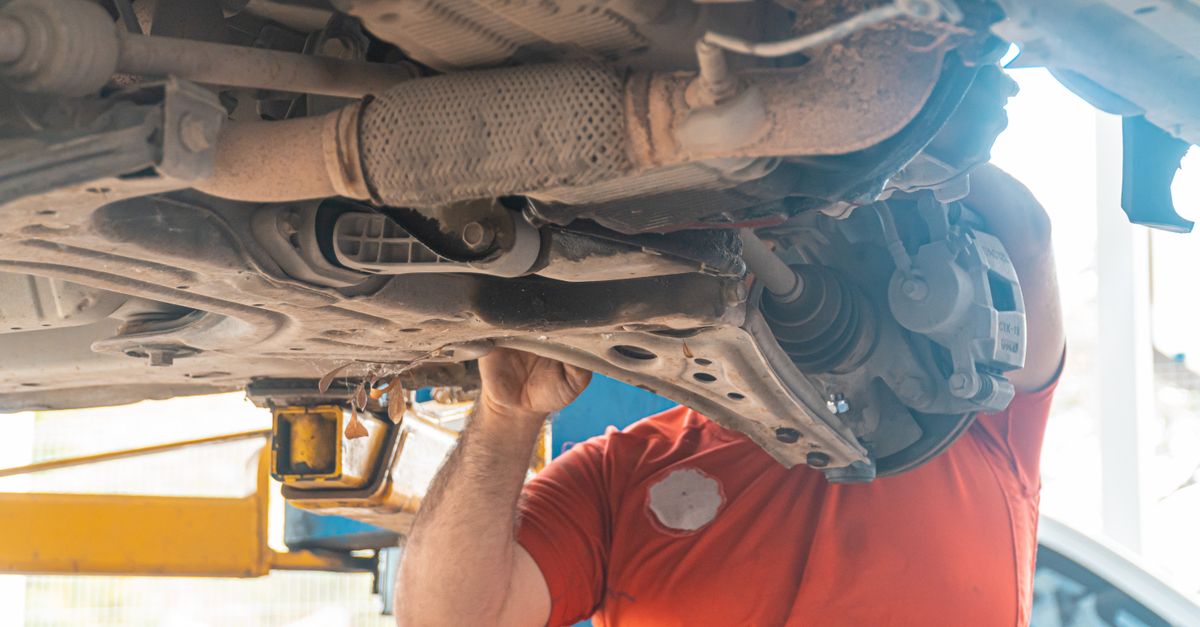
Professional application at a dealer or shop:
- Oil-based spray: $200-$400
- Rubberized undercoating: $300-$600
- Electronic inhibitor: $500-$1,200
- Dealer markup: 60-80% (most of what you’re paying is profit, not product)
DIY application:
- Supplies: $30-$150 per application
- Time: 2-4 hours (you’ll need ramps or a jack, and good ventilation)
- Frequency: Every 12-18 months for oil-based; every 24 months for wax or rubber
- Quality risk: If you miss spots or don’t prep the surface, you’re wasting your time
Professional costs more but the coverage is usually better. DIY saves money but only if you do it right—and “right” means scrubbing the undercarriage clean first, getting into every crevice, and dealing with drips and fumes.
When rust treatment makes sense
1. New car in a salt-heavy region
You’re in Minnesota, upstate New York, or the Colorado Front Range. Road salt gets dumped 4-5 months a year. You’re keeping the car 5+ years.
The play: One professional wax or oil treatment at purchase ($250-$400), then switch to monthly undercarriage rinsing during salt season. The upfront treatment buys you 3-5 years of slower rust onset; the rinsing maintains it. Kelley Blue Book resale data shows this approach can add $500-$1,000 to trade-in value down the line by avoiding visible frame rust.
2. Young used car (5-8 years old) in the rust belt
You bought a clean used car with no existing rust, but it’s spent its life in a high-salt area.
The play: One professional application for thorough coverage ($200-$300), then annual DIY touch-ups ($60-$80). This slows the rust clock and keeps the car structurally sound longer. It’s not about resale—it’s about not replacing rocker panels or a frame in two years.
3. You’re already committed to maintenance
You wash your car regularly, you check fluids, you rotate tires. Adding undercarriage treatment fits your routine.
The play: DIY oil-based spray every 12 months. It’s a Saturday afternoon project. If you’re already doing the work to maintain the car, this is a logical extension—not a dealer upsell.
When rust treatment is a waste of money

1. Car already showing structural rust
If there are holes, bubbling, or flaking metal, treatment won’t fix it. You’re coating over damage, not stopping it. The rust is already into the metal. You need repair or replacement, not a spray can.
2. Dry climate (Southwest, interior California, Nevada)
Rust isn’t your problem. You’re in Phoenix or Las Vegas—road salt isn’t a thing, and humidity is low. Your maintenance budget is better spent on PPF vs Ceramic Coating: Real Costs & What Actually Protects Paint if you’re worried about the exterior.
3. Short ownership plan (under 3 years)
The cost of treatment exceeds any resale value gain on a short-term hold. If you’re trading or selling in two years, skip it.
4. Old car in a rust-prone region (10+ years)
If the car’s been in the rust belt for a decade, the damage is done. Treatment at this point is masking, not preventing. Save your money for the next car.
The better alternative most shops won’t mention
Monthly undercarriage rinsing during salt season.
Cost: Free if you have a hose and ramps, or $15-$20 at a touchless wash bay with undercarriage spray.
Effectiveness: Removes the salt before it sits on the metal long enough to corrode. This is one of the single most effective rust prevention steps available.
The catch: You have to actually do it. Every month. After every snowstorm if you’re serious. Most people don’t, which is why the treatment upsell works—it’s a one-time thing you can forget about (until reapplication time).
If you’re the type to set a calendar reminder and stick to it, rinsing beats treatment for cost-per-benefit. If you know you’ll forget, a professional treatment gives you some coverage for your neglect.
What to know if you go the DIY route
Safety first: Oil-based and rubberized sprays produce fumes. Work outside or in a well-ventilated garage. Wear gloves, eye protection, and a respirator rated for organic vapors—not a dust mask.
Prep matters more than the product: If you spray over dirt and salt, you’re sealing contamination against the metal. Worse than doing nothing. Wash and dry the undercarriage thoroughly before you start.
Coverage is everything: The frame rails, wheel wells, and rocker panels are where rust starts. If you’re not getting the nozzle into those spots, you’re missing the point.
It’s messy: Oil-based treatments drip for a day or two. Park on cardboard. Don’t wear your good clothes.
FAQ
How much does undercarriage rust treatment cost?
DIY spray treatments run $30-$80 per application; professional jobs range from $150-$400 depending on the product and shop. Dealer packages are typically $400-$600, with 60-80% markup. Frequency: annual or biennial depending on climate and product type.
Do rust treatments really work?
Yes, if applied correctly and maintained. Professional application can reduce rust progression in salt-heavy climates over 3-5 years. DIY results vary based on thoroughness. No treatment stops rust completely—it slows the process. Regular undercarriage rinsing is one of the most effective rust prevention steps available.
Is rust-proofing at the dealer worth it?
Usually no. Dealer pricing includes 60-80% markup. If you’re in a high-salt region and buying new, one professional treatment can make sense—but shop around for an independent rustproofing specialist instead of paying dealer rates. If you’re in a low-rust climate, it’s pure profit for them.
Can I treat a car that already has rust?
Surface rust only. Treatment can slow further corrosion on minor surface oxidation, but it won’t repair or stop structural rust (holes, flaking, bubbling). If the rust is deep, you need bodywork, not coating.
Rust treatment is optional maintenance, not a must-have. The best ROI is regular undercarriage rinsing combined with thoughtful treatment in high-salt climates. Your climate, the car’s age, and how long you plan to keep it should guide your decision—not dealer pressure at the finance desk.
This is general information, not professional mechanical advice. For structural rust concerns or region-specific recommendations, see a qualified mechanic or body shop.