
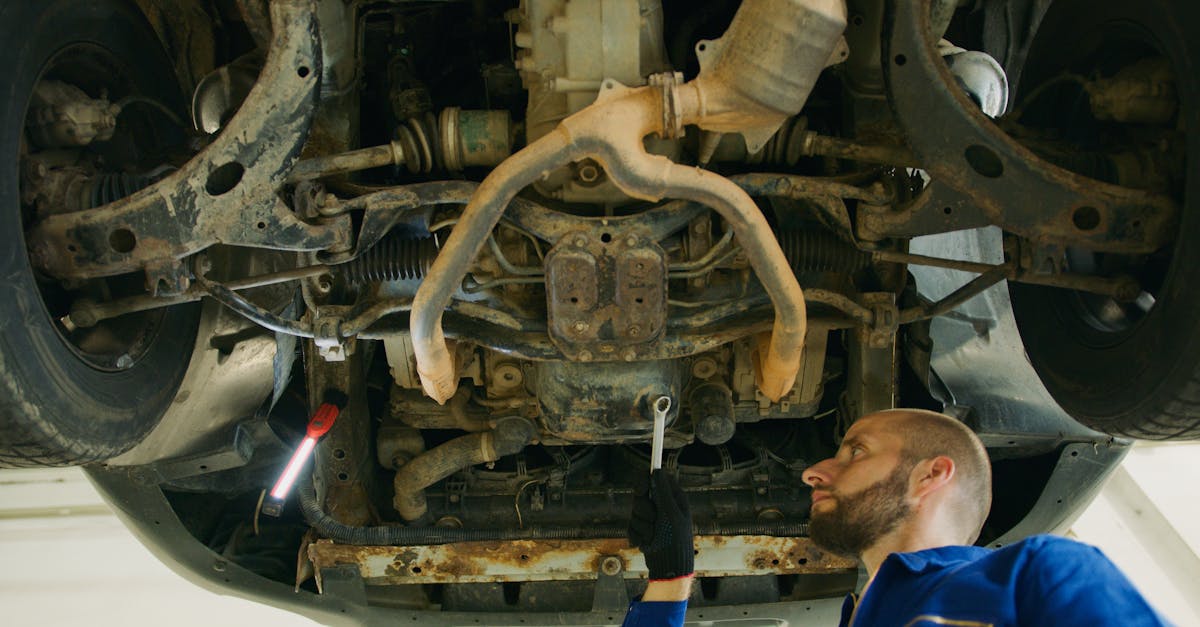
The finance manager will pitch you a $400 undercoating package when you buy your car. Whether you should take it depends on one question: do you live where they salt the roads in winter?
I sold cars in Michigan for nine years. The undercoating upsell was standard on every deal, and most buyers had no idea if they actually needed it. Here’s the truth: if you’re in the salt belt (upper Midwest, Northeast, mountain states), undercoating usually pays for itself within 5 years by preventing rust repairs that cost $800-$2,000. If you live in Arizona or Texas, you’re paying to prevent a problem that won’t happen for a decade.
This guide breaks down the three main rust prevention methods, what they cost, how long they last, the regional and ownership-horizon math that determines whether you’ll come out ahead, and the warranty restrictions that can void your coverage if you choose the wrong product.
The regional decision that matters most
Rust happens when iron meets oxygen and moisture. Road salt accelerates the process by breaking down protective oxide layers. According to the Federal Highway Administration, states in the snow belt apply millions of tons of road salt annually, creating corrosive conditions that accelerate undercarriage deterioration. The more salt exposure, the quicker pitting occurs.
Salt-belt states (undercoating usually worth it):
- Great Lakes region: MI, OH, IN, IL, WI, MN
- Northeast: ME, NH, VT, MA, NY, PA
- Mountain passes: CO, WY, UT (I-70 and I-80 corridors)
Low-salt or dry climates (undercoating rarely breaks even):
- Southwest: AZ, NV, southern CA, NM
- South: TX, FL, GA (humidity rusts, but slowly)
- West Coast: CA, OR, WA (coastal salt is minor compared to road salt)
The cost-benefit math is straightforward. Professional undercoating runs $200-$400 upfront, then $100-$150 annually for DIY touch-ups. A single rust repair on pitted rocker panels costs $800-$2,000. In salt regions, you’ll hit that repair cost in 5-7 years without prevention. In dry climates, undercarriage rust develops so slowly that the car will be scrapped for other reasons before you recover the undercoating cost.
Check your warranty before you spray anything
This is the detail the finance manager won’t volunteer: some manufacturers void rust perforation warranties if you apply the wrong type of undercoating. The restriction usually targets tar-based and rubberized polymer coatings that trap moisture against the metal.
Manufacturer restrictions (check your owner’s manual for current policy):
-
Toyota: Service bulletins generally recommend against aftermarket tar-based undercoating. Factory-applied wax-based treatments are approved. Applying thick rubberized coatings can void rust warranty coverage on affected components.
-
Subaru: Warns against tar and asphalt-based undercoating in owner’s manuals for most models. Wax-based rust inhibitors are acceptable. The rust perforation warranty explicitly excludes damage caused by aftermarket undercoating application.
-
Honda: Allows wax-based products but cautions against thick polymer coatings that prevent moisture drainage from designed weep holes and drainage channels.
-
Ford: Generally permits undercoating but specifies that it must not obstruct drain holes or interfere with designed corrosion-protection features. F-Series trucks have specific guidance in the service manual.
The reason: modern vehicles are designed with drain holes, drainage channels, and factory corrosion protection. Thick tar or polymer can seal those drainage points and trap moisture in body cavities, which accelerates rust from the inside out. Wax-based sprays are thin enough to coat without blocking drainage.
Before you buy a dealer undercoating package or DIY: pull the owner’s manual and read the corrosion warranty section. If it says “do not apply aftermarket undercoating” or lists specific restrictions, follow them. A $400 undercoating job is worthless if it voids a 5-year/$unlimited-mile perforation warranty.
The three methods and what they actually do
| Method | Cost | Durability | Best For | Reapplication |
|---|---|---|---|---|
| Wax-based spray | $100-$250 | 12-24 months | DIY annual maintenance, touch-ups | Yearly |
| Tar/bitumen | $200-$400 | 24-48 months | New cars in high-salt areas (check warranty) | Every 2-3 years |
| Polymer/rubberized | $250-$500 | 36-60 months | Long-term ownership, severe salt (check warranty) | Every 3-5 years |
Source: Kelley Blue Book maintenance cost data and Edmunds service pricing guides.
All three work by creating a barrier between the metal and the elements. The difference is thickness and how tightly they seal. Wax spray is thinner and allows some moisture release. Tar-based is thicker and adheres better. Polymer creates a rubberized seal that’s nearly waterproof.
None of them stop rust permanently. They slow it down. Reapplication is required, especially in salt-heavy regions.
The ownership-horizon math: new vs used, 3 years vs 10
Not all buyers face the same cost-benefit equation. A new-car buyer keeping the vehicle for 10 years in Michigan has different math than a used-car buyer planning to trade in after 3 years.
Scenario 1: New car, 10-year ownership, salt belt
- Year 0: Professional polymer undercoating ($400)
- Year 3: Reapplication ($150)
- Year 6: Reapplication ($150)
- Year 9: Reapplication ($150)
- Total 10-year cost: $850
Without undercoating, pitted rocker panels and wheel-well rust typically appear by year 6-8 in heavy-salt states. Repair cost: $800-$2,000. Undercoating breaks even or saves money, and you avoid the hassle of body-shop repairs.
Scenario 2: 3-year-old used car, 5-year ownership horizon, salt belt
- Year 0 (car is 3 years old): Professional tar-based undercoating ($300)
- Year 2 (car is 5 years old): Reapplication ($150)
- Total cost over your 5-year ownership: $450
If the car already has light surface rust when you buy it, add $200-$500 for prep (rust treatment and priming). At year 8 total vehicle age, rust repairs would start. If you’re selling or trading at 8 years, undercoating might not pay off—you’d spend $450-$950 to prevent a repair the next owner will pay for. Better move: negotiate the purchase price down to reflect the rust risk, skip undercoating, and trade before rust becomes your problem.
Scenario 3: New car, dry climate (Phoenix, Las Vegas)
- Undercarriage rust takes 12-15 years to develop without road salt.
- By the time rust appears, the vehicle is likely retired for other reasons (mileage, mechanical wear).
- Skip undercoating. Spend the $400 on an extended warranty or save it for actual repairs.
The decision is not just geography—it’s geography plus how long you’re keeping the car. Short-horizon buyers in salt states might be better off skipping undercoating and trading before rust hits. Long-horizon buyers recover the cost in deferred repairs and retained resale value.
What you’ll need (for DIY wax-based application)
Tools:
- Pressure washer or hose with spray nozzle
- Wire brush (for cleaning existing surface rust)
- Jack and jack stands (to access undercarriage safely)
- Safety glasses and nitrile gloves
Materials:
- Wax-based undercoating spray (3-5 cans for full coverage; $20-$50 per can)
- Rust converter or phosphoric-acid treatment (if surface rust is present; $10-$30)
- Degreaser (for cleaning oil and grime before application)
Prerequisites:
- Dry weather (24-48 hours of no rain after application)
- Well-ventilated space (garage with open doors or outdoor driveway)
- Ability to safely raise and support the vehicle
Before you start: the mistake that makes rust worse
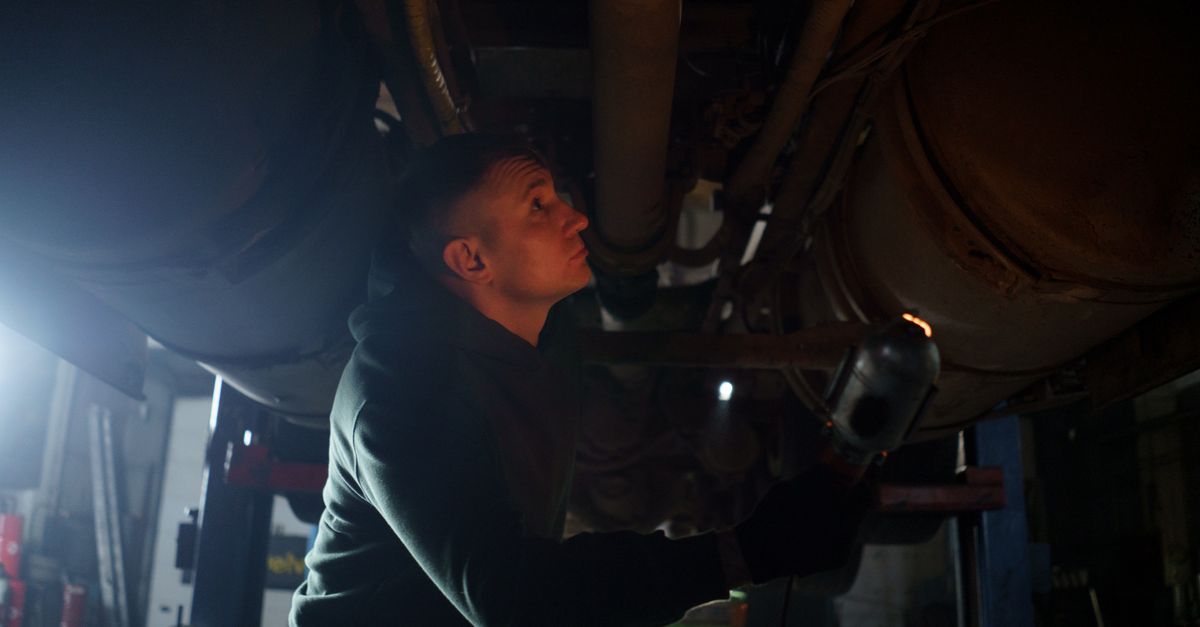
Do not apply undercoating over existing rust. This is the single most common error I saw in the service bay. Tar-based and polymer coatings seal in moisture, which accelerates corrosion beneath the coating. You end up with rust spreading under a layer of undercoating you can’t see until it’s already pitted through.
If your car has surface rust (light orange or brown patches with no holes), wire-brush it to bare metal, apply a rust converter, then prime before undercoating. If there’s pitting (visible holes), send it to a body shop for proper repair first. Undercoating is prevention, not a cure.
Check your owner’s manual before applying anything. Some manufacturers explicitly recommend wax-based spray only and warn against tar or polymer. Applying an unsupported method can void rust warranties. Toyota, Subaru, and Honda have specific guidance in their service bulletins—follow it.
When to apply: seasonal timing matters
Best time to apply in salt-belt states: late summer or early fall (August-October)
You want the undercoating fully cured before the first road-salt application, which typically starts in November in northern states. Applying in late summer gives you:
- Warm, dry weather for proper curing (most products need 48-72 hours without rain)
- A clean undercarriage (easier to prep before winter grime builds up)
- Maximum protection before salt season begins
Avoid winter and early spring applications. If the undercarriage is already coated in road salt and grime, you’ll seal contaminants against the metal. Wait until spring thaw is complete, pressure-wash thoroughly, let it dry for several days, then apply.
Touch-up timing: Mid-winter (January-February) touch-ups are acceptable for high-wear areas like wheel wells and rocker panels, but only if you can pressure-wash the area, let it dry completely, and apply in temperatures above 50°F. Most aerosol wax sprays won’t cure properly below 40°F.
Annual reapplication schedule for wax-based spray:
- September: full undercarriage recoat before winter
- February: inspect and touch up wheel wells if needed
- May: inspect for winter damage, spot-treat any exposed areas
Professional tar and polymer applications follow the same seasonal logic: apply in dry, warm weather before salt season, and schedule reapplication during the same late-summer window.
Method 1: DIY wax-based spray (annual maintenance)
This is the most forgiving DIY option. Wax spray is thin enough to reach crevices and doesn’t trap moisture the way tar does.
Step 1: Clean the undercarriage thoroughly
Rinse off all loose dirt, mud, and road grime with a pressure washer. Pay attention to the wheel wells, suspension components, and frame rails. Let it dry completely—at least 2 hours in direct sun, or use compressed air to speed it up. Any moisture left behind will get sealed under the coating.
Step 2: Treat existing surface rust
If you see light orange or brown spots, wire-brush them to bare metal. Apply rust converter (Naval Jelly or phosphoric-acid spray works; follow the product instructions). Let it cure for 24 hours, then apply a rust-inhibiting primer. If there’s pitting or structural rust, stop here and get a professional assessment.
Step 3: Apply the wax spray in thin, even coats
Shake the can for 2 minutes. Spray from 6-8 inches away, moving in steady passes. Cover the suspension, frame, wheel wells, and fuel tank underside. Avoid brake components, exhaust manifolds, and anything that gets hot. Two thin coats work better than one thick coat.
Step 4: Allow 24-48 hours to cure
Don’t drive the car until the coating is fully dry. Check the product instructions for exact cure time—it varies by temperature and humidity.
Step 5: Reapply annually
In salt-belt states, plan on one full reapplication per year before winter (late August or September). Touch up high-wear areas (wheel wells, rocker panels) mid-season if you’re driving in heavy salt.
Total cost: $100-$150 per year in materials.
Method 2 & 3: Professional tar-based or polymer undercoating

I recommend professional application for tar and polymer coatings. They’re thicker, harder to apply evenly with DIY equipment, and require compressed-air spray guns to reach tight spots. A professional shop will raise the car, clean the undercarriage, and apply an even coat that reaches suspension joints, fuel lines, and areas you can’t access with a jack and aerosol can.
Tar-based costs $200-$400 and lasts 2-3 years. Polymer runs $250-$500 and lasts 3-5 years. Both require reapplication, but the intervals are longer than wax spray.
Only worth it if:
- You live in a high-salt region.
- You plan to keep the car 5+ years.
- The undercarriage has no existing rust (or you’re paying to repair it first).
- Your owner’s manual doesn’t prohibit the coating type.
If you’re buying a new car at the dealer and they offer undercoating, get the detail: what product, how many coats, what’s the reapplication interval, and does it comply with the manufacturer’s warranty restrictions. If it’s wax-based, you can DIY it for less. If it’s polymer and you’re in the salt belt with a 10-year ownership plan, the dealer price is often fair—shop around for comparison, but don’t dismiss it outright.
When to skip undercoating entirely
You’re in a dry climate. Arizona, Nevada, and most of California don’t salt roads. Undercarriage rust takes 10+ years to develop. The $400 you’d spend on undercoating won’t prevent $400 worth of rust before the car is retired.
Your car already has structural rust. If the frame or suspension components are pitted or flaking, undercoating is cosmetic. The rust will continue beneath the coating, and the structural integrity is already compromised. Spend the money on safety repairs or start shopping for a replacement.
You’re leasing or selling within 2-3 years. Undercoating pays off over time. If you’re not keeping the car long enough to hit the rust-repair stage, skip it.
Your manufacturer prohibits it. Some brands void rust warranties if you apply certain undercoating types. Read your owner’s manual. If it says “wax-based only” or “do not apply tar-based products,” follow that.
The car is already 8+ years old in a salt state and has visible rust. At this point, rust is already progressing. Undercoating won’t reverse it, and you’re close to the end of the vehicle’s practical lifespan anyway. Save the money for the next car’s down payment.
Rust repair costs (for comparison)
Here’s what you’re preventing, based on Consumer Reports and AAA maintenance cost data:
- Surface rust (light orange, no pitting): $200-$500 for grinding, priming, and touch-up.
- Pitted rust (visible holes in rocker panels or wheel wells): $800-$2,000 for patching, welding, and refinishing.
- Structural rust (frame rails, suspension mounts): $1,500-$5,000+, and the car may be unsafe to drive.
If you’re in a salt state and you drive the car through 5+ winters without undercoating, you’ll hit the pitted-rust stage. That $800-$2,000 repair is where undercoating pays for itself.
Undercoating works if the math works. Salt-belt owners with long ownership horizons recover the cost in deferred repairs and retained trade-in value. Dry-climate owners and short-term owners usually don’t. Check your manual for warranty restrictions, treat any existing rust first, and run the numbers based on where you live and how long you’re keeping the car. A new-car buyer in Michigan planning 10 years of ownership? Do it. A used-car buyer in Dallas trading in 3 years? Skip it.
For related cost-benefit decisions on protective treatments, see Ceramic Coating for Cars: Worth the Cost? The Real Math. For other maintenance timing questions, Brake Fluid Change Interval and Cost: When and How Much breaks down similar ROI analysis.
General information, not professional mechanical advice. Rust severity, regional salt use, vehicle design, and manufacturer warranty terms vary. Consult your owner’s manual for specific undercoating guidance and a body shop for structural rust concerns.