

Your transmission doesn’t announce when its fluid is degrading—by the time you feel delayed shifts or slipping, you’re often looking at internal damage, not a simple fluid change. The key is knowing when to change it based on your transmission type, and whether the cost difference between DIY and professional service makes sense for your setup.
Here’s what actually matters: a CVT at 50,000 miles needs different guidance than a traditional automatic at the same mileage, “lifetime fluid” claims don’t hold up in practice or manufacturer service bulletins, and using the wrong fluid type causes expensive damage within days. This guide breaks down intervals by transmission type, compares synthetic versus conventional cost-per-mile, and shows you the real DIY versus shop numbers.
What you’ll need
For checking your interval and fluid type:
- Your vehicle’s owner’s manual (check “Maintenance Schedule” and “Fluids & Capacities”)
- VIN number (to verify exact transmission type if manual is unclear)
For DIY drain-and-fill (simple automatics and manuals only):
- Socket set
- Floor jack and jack stands (never work under a car on a jack alone)
- Torque wrench
- 5-gallon drain pan
- Funnel
- Nitrile gloves
- New transmission pan gasket ($15–$30)
- Transmission filter if replaceable ($20–$40)
- Correct transmission fluid (4–7 quarts depending on capacity)
Prerequisites:
- Ability to safely lift vehicle and work underneath
- Confirm your transmission is DIY-appropriate (not CVT, DSG, or sealed unit)
- Know your exact fluid type before buying fluid
Before you start
Safety warnings:
- Transmission fluid is toxic. Use nitrile gloves, avoid skin contact, and work in a ventilated area.
- Warm fluid can burn—let the transmission cool 10–15 minutes after driving before opening the drain plug.
- Never work under a vehicle supported only by a jack. Use jack stands rated for your vehicle’s weight.
- Using the wrong transmission fluid causes slipping, delayed shifts, and accelerated wear within hours to days. Verify your fluid type from the owner’s manual or transmission fill cap before filling.
Do NOT attempt DIY service on:
- CVT transmissions (require specialized equipment for proper fluid level)
- Sealed automatics with no dipstick or accessible fill cap
- DSG/PDK dual-clutch transmissions (require calibration tools)
- Any transmission where you cannot locate or safely access the drain plug
If your fluid is dark brown or smells burnt, the transmission likely has internal damage. A fluid change won’t fix that—you need a shop diagnosis before spending money on fluid.
Check your interval first—transmission type changes everything
The “30,000 to 100,000 mile” range you see online is useless without knowing your transmission type and manufacturer. Here’s what actually applies:
Manual transmissions: 30,000–60,000 miles with conventional fluid, sometimes longer with synthetic. Many modern manuals specify inspection-only with no scheduled drain-and-fill. Check your owner’s manual under “severe driving” conditions—if you tow or drive in stop-and-go traffic, cut that interval by 25–50%.
Traditional automatic transmissions: 30,000–100,000+ miles depending on manufacturer. Toyota and Honda typically specify 60,000–100,000 miles. GM and Ford often recommend 50,000–100,000 miles. If you tow, drive in desert heat, or make frequent short trips, your manual’s “severe driving” schedule applies—that usually means 30,000–50,000 miles instead.
CVT (Continuously Variable Transmission): 30,000–60,000 miles, despite manufacturer marketing around “lifetime fluid.” Check your owner’s manual for the actual interval—many manufacturers have adjusted their recommendations as CVTs rack up miles. If your manual says “lifetime,” check whether your driving profile qualifies as “severe”—towing, high heat, or city driving often void that claim.
DSG/PDK dual-clutch automatics (VW, Audi, Porsche): 40,000–100,000 miles. These require specialized drain tools and often calibration afterward—not a DIY job for most home mechanics.
Your owner’s manual is the source of truth. If you don’t have it, search “[your vehicle year/make/model] owner’s manual PDF” or call the dealer with your VIN.
Synthetic vs. conventional transmission fluid: cost-per-mile matters more than price-per-quart
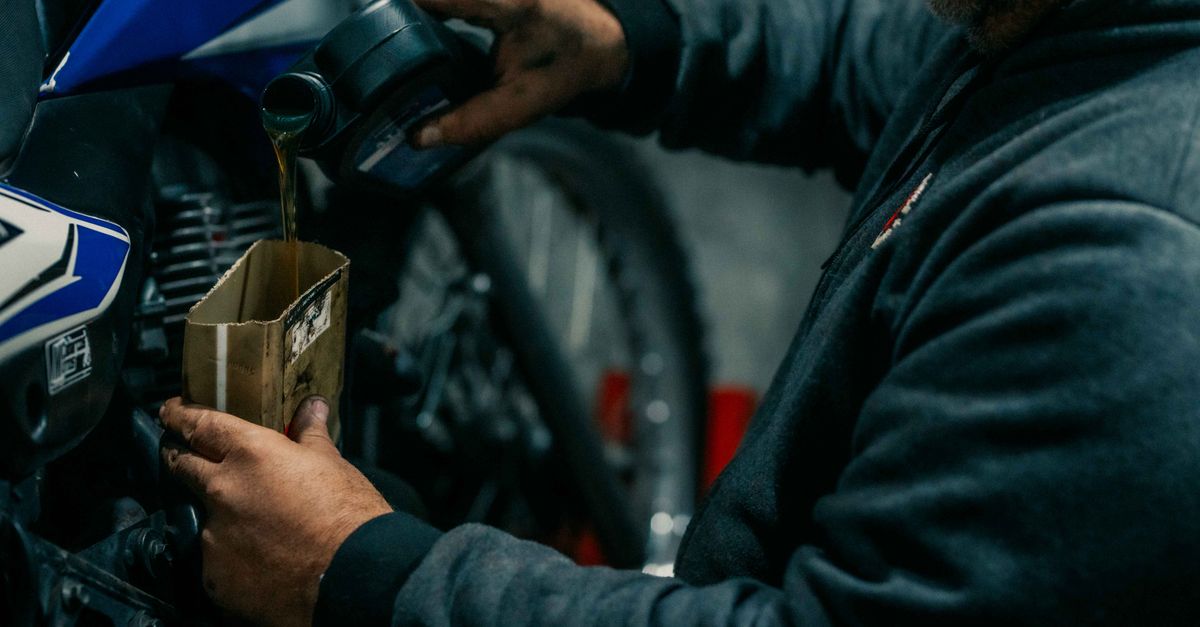
Synthetic transmission fluid costs $12–$20+ per quart versus $8–$15 for conventional, but what matters is total cost over your service interval—not the upfront price.
| Property | Conventional | Synthetic |
|---|---|---|
| Lifespan | 30,000–50,000 miles typical | 50,000–100,000+ miles (OEM-dependent) |
| Cost per quart | $8–$15 | $12–$20+ |
| Total cost for 4-quart fill | $32–$60 | $48–$80 |
| Temperature stability | Thickens in cold, thins in heat | Performs across wider range |
| Oxidation resistance | 6–12 months | 2+ years |
Here’s the catch: many transmissions don’t benefit from synthetic if your OEM doesn’t extend the interval. If your owner’s manual specifies 60,000 miles whether you use conventional or synthetic, you’re paying $48–$80 instead of $32–$60 for the same protection window. Synthetic’s advantage is longer intervals between changes, not better protection per change.
Check your manual’s fluid spec. If it says “Dexron VI or equivalent” and the interval is 60,000 miles either way, conventional is cheaper over 60,000 miles. If your manual extends the interval to 100,000 miles with synthetic, then synthetic saves you a mid-interval service.
One exception: If you drive in extreme heat (Arizona, Texas summers) or tow regularly, synthetic’s better performance in high temperatures can reduce transmission wear even if the interval stays the same. That’s preventative, not just following the schedule.
Real costs: DIY versus professional service
| Service type | DIY cost | Shop total (parts + labor) |
|---|---|---|
| Drain and fill, conventional fluid | $65–$100 | $100–$190 |
| Drain and fill, synthetic fluid | $80–$130 | $115–$220 |
| Professional flush (machine required) | Not DIY | $140–$320 |
| CVT service | Not DIY | $190–$380+ |
| DSG/PDK service | Not DIY | $260–$500+ |
DIY costs assume you already own a jack, jack stands, and basic hand tools. Add $100–$200 if you need to buy those first.
Professional labor varies by region. Use Edmunds True Cost to Own or RepairPal to check local labor rates by ZIP code and transmission type. Dealer service typically runs 20–40% higher than independent shops.
When professional service makes sense:
- Any CVT transmission (fluid level is difficult to check without shop equipment)
- Sealed automatics with no dipstick
- First-time fluid service on a high-mileage transmission (shop can inspect for metal shavings in the pan—a sign of internal wear)
- You don’t have safe jack-and-stand access
- The fluid is burnt or dark brown (that’s a diagnostic problem, not a maintenance interval)
How to change transmission fluid: drain-and-fill for simple automatics and manuals

This procedure applies to traditional automatics and manual transmissions with accessible drain plugs or removable pans. Do not attempt this on CVTs, DSG transmissions, or sealed units.
Step 1: Verify your fluid type and capacity
Open your owner’s manual to “Fluids & Capacities.” Write down:
- Exact fluid type (e.g., “Dexron VI,” “Mercon V,” “ATF+4,” “GL-4”)
- Fluid capacity (typically 4–7 quarts)
Check the transmission fill cap or dipstick if accessible—it’s often labeled with fluid type. Do not guess. Using Dexron in a Mercon-spec transmission, or mixing CVT fluid with automatic fluid, causes shifting problems within hours.
If your manual says “lifetime transmission fluid, no maintenance required,” read the fine print about “severe driving.” Towing, desert heat, or frequent city trips usually void the “lifetime” claim and trigger a 30,000–50,000 mile interval instead.
Step 2: Lift the vehicle and locate the transmission pan or drain plug
Park on level ground. Lift the front of the vehicle with a floor jack, then place jack stands under the manufacturer-recommended lift points. Lower the vehicle onto the stands and remove the jack—never work under a car supported only by a jack.
Locate the transmission pan (bolted to the bottom of the transmission, usually toward the rear of the engine bay). Some pans have a drain plug; others require full pan removal. If you see a square or hex plug on the pan, you have a drain plug. If not, you’ll need to unbolt the entire pan.
Step 3: Drain the fluid
Place a 5-gallon drain pan underneath the transmission pan. If you have a drain plug, use the correct socket size (often 14 mm or 17 mm hex) and remove it slowly—fluid will start draining immediately.
If there’s no drain plug, loosen the pan bolts in a spiral pattern starting from one corner. Leave two bolts on the opposite corner partially tight, then gently pry the pan down on the loose side so fluid drains into your pan. Once drained, remove the remaining bolts and lower the pan completely.
Let the fluid drain for 5–10 minutes. It may still be warm; avoid skin contact.
Step 4: Inspect and replace the filter (if accessible)
Many automatics have a filter or screen inside the pan. Look for:
- A reusable metal screen (rinse with clean transmission fluid and reinstall)
- A disposable paper or felt element (replace; costs $20–$40 at auto parts stores)
If you see metal shavings or debris in the pan, that’s a sign of internal transmission wear. Take a photo and call a shop for a diagnostic before reassembling—you may have a bigger problem than old fluid.
Step 5: Replace the pan gasket and reinstall the pan
Scrape off the old gasket from both the pan and the transmission housing. Do not reuse the old gasket—it will leak. Install the new gasket (some are rubber, some are cork; follow the type specified in your parts lookup) and reinstall the pan.
Tighten the bolts in a crisscross pattern to the torque spec in your owner’s manual (typically 10–15 ft-lbs, but verify). Over-tightening warps the pan and causes leaks.
Step 6: Refill with the correct fluid
Locate the transmission fill tube (usually has a red or yellow cap near the back of the engine bay; some vehicles use the dipstick tube). Use a long funnel and pour in the fluid quantity specified in your manual minus about half a quart.
Start the engine and let it idle. Shift through all gears (P → R → N → D → P) to circulate fluid through the transmission. Check the fluid level with the dipstick while the engine is idling and the transmission is in Park (some manuals specify Neutral; check yours). Add fluid in small increments until the level reaches the “Full” mark on the dipstick.
If your transmission has no dipstick, stop filling at the specified capacity and take the vehicle to a shop to verify the level—overfilling causes foaming and shifting problems.
Step 7: Dispose of used fluid responsibly
Used transmission fluid is hazardous waste in most states. Do not pour it down the drain or on the ground. Most auto parts stores (AutoZone, O’Reilly, Advance Auto) and municipal recycling centers accept free transmission fluid drop-off.
When to call a professional
Call a shop instead of DIY if:
- You have a CVT transmission (Nissan, Honda, Subaru, Toyota hybrids)
- Your transmission has no dipstick and no accessible fill cap
- You cannot safely lift the vehicle and work underneath
- The fluid is dark brown, smells burnt, or has metal shavings (diagnostic issue, not a routine service)
- Your owner’s manual specifies a “flush” instead of a drain-and-fill (requires a machine)
- You’re not confident identifying the correct fluid type or capacity
Red flags that mean you need a shop diagnostic, not a fluid change:
- Slipping gears or delayed engagement
- Burnt smell from the transmission area
- Fluid level drops between services (external leak—likely a seal or gasket)
- Shifting problems that started suddenly
A transmission rebuild costs $2,000–$4,000+. If you’re seeing symptoms of damage, don’t throw a fluid change at it—get a diagnosis first.
Troubleshooting
Problem: Fluid level is correct but shifting feels rough after the change
Cause: Air in the transmission lines. Drive the vehicle through 10–15 shift cycles (city driving works well) to purge air. If roughness persists beyond 20 miles, the fluid type may be wrong or you have an unrelated internal issue.
Problem: Leak from the transmission pan after reinstalling
Cause: Reused gasket, warped pan from over-tightening, or improperly cleaned gasket surfaces. Re-torque bolts to spec. If leak continues, remove the pan, verify gasket alignment, and check for pan warping (replace pan if bent).
Problem: Transmission shifts fine but fluid level won’t stay at “Full” mark
Cause: External leak from a seal, cooler line, or pan gasket. Do not keep topping off—find the leak source. Red or pink fluid under the vehicle confirms a leak. This requires a shop diagnosis; driving with low fluid causes internal damage.
Problem: Used the wrong fluid type and now the transmission shifts erratically
Cause: Fluid mismatch (e.g., Dexron in a Mercon transmission, or automatic fluid in a CVT). Drain immediately and refill with the correct fluid. Do not drive more than necessary—wrong fluid causes clutch pack slipping and can damage friction materials within hours.
FAQ
How often should I change transmission fluid?
It depends on your transmission type and driving conditions. Manual transmissions: 30,000–60,000 miles. Traditional automatics: 30,000–100,000+ miles (consult your owner’s manual). CVTs: 30,000–60,000 miles, even if the manual says “lifetime.” If you tow, drive in extreme heat, or make frequent short trips, cut the interval by 25–50%.
Is synthetic transmission fluid better than conventional?
Synthetic lasts longer and handles temperature extremes better, but it costs $12–$20+ per quart versus $8–$15 for conventional. If your owner’s manual doesn’t extend the service interval for synthetic, you’re paying more for the same protection window. Synthetic makes sense if your OEM specifies longer intervals with it, or if you tow or drive in desert heat.
What happens if I use the wrong transmission fluid type?
You’ll get delayed shifts, slipping, and erratic behavior within hours to days. Each transmission requires a specific fluid—Dexron, Mercon, ATF+4, CVT fluid, or manual transmission gear oil are not interchangeable. Using the wrong type damages clutch packs and friction materials. If you filled with the wrong fluid, drain it immediately and refill with the correct type before driving.
Can I change my own transmission fluid?
Yes, if you have a traditional automatic or manual transmission with an accessible drain plug or removable pan, basic tools, and safe jack-stand access. Do not attempt DIY service on CVTs, DSG/PDK transmissions, or sealed units—they require specialized equipment. If the fluid is burnt or dark brown, you need a shop diagnostic, not a DIY fluid change.
Is “lifetime transmission fluid” really lifetime?
No. Most manufacturers’ “lifetime” claims come with conditions around normal driving. Towing, extreme heat, and frequent short trips typically void the claim and trigger 30,000–50,000 mile intervals instead. Check your manual’s fine print; if your driving qualifies as “severe,” you’re not covered by “lifetime.”
How much does transmission fluid cost?
Conventional transmission fluid costs $8–$15 per quart retail; synthetic costs $12–$20+ per quart. A typical drain-and-fill uses 4–7 quarts. Total DIY cost including a filter and gasket: $65–$130. Professional service (parts and labor): $100–$380+ depending on transmission type and whether you need a flush. Regional labor rates vary significantly; check Edmunds or RepairPal for local estimates.
Transmission fluid changes are straightforward on traditional automatics and manuals, but the interval and fluid type aren’t universal. Check your owner’s manual first, note whether your driving qualifies as “severe,” and verify your exact fluid type before buying. If you have a CVT or sealed automatic, or if your fluid looks burnt, call a shop—those aren’t DIY jobs. For more on identifying transmission problems before they become expensive, see Transmission Fluid Color: What Each Shade Actually Means.
General information, not professional mechanical advice. Consult your vehicle’s owner’s manual and a qualified technician for maintenance specific to your transmission.