

Your brake fluid needs changing every two years whether you’ve driven 5,000 miles or 50,000. That timeline isn’t a suggestion from your dealer trying to pad the ticket—it’s chemistry. Brake fluid is hygroscopic, meaning it pulls moisture from the air through microscopic pores in hoses and seals. According to NHTSA’s FMVSS 135 standard, DOT 3 fluid starts at a minimum dry boiling point of 401°F but drops to 284°F when contaminated with just 3–4% water by volume. Under hard braking—emergency stops, mountain descents, towing—low-boiling-point fluid vaporizes, the pedal goes soft, and your brakes fade or fail.
The service costs $80–$150 at an independent shop, $120–$200 at a dealer. That’s for a standard change; a full system flush runs $150–$400. Most owners need only the change. Here’s when you need it, what you’ll pay, and the scenarios where you should move it up.
Why the 2-year rule is absolute
The risk works in two directions. First is brake fade. When moisture-contaminated fluid heats up under braking, water in it boils. Vapor bubbles are compressible; hydraulic fluid is not. You press the pedal, the system compresses vapor instead of transferring pressure, and nothing happens at the wheels. That’s how cars end up in guardrails on mountain roads.
The second risk is corrosion. Water rusts the inside of your master cylinder, calipers, and wheel cylinders. A $120 fluid service now vs. a $1,000+ master cylinder replacement later—do the math.
Moisture doesn’t care if you’ve driven the car. A vehicle parked in humid Florida for two years absorbs water sitting still. Time is the enemy, not mileage. Industry testing shows that brake fluid in typical driving conditions reaches approximately 2% moisture content at 12 months and 3–4% at 24 months—right at the point where boiling point degradation becomes dangerous. In coastal or high-humidity climates, that timeline compresses to 18–20 months.
What the maintenance schedule actually says
Pull your owner’s manual and check the brake fluid interval. Most manufacturers specify 2–3 years, though some pair that with a mileage figure. The mileage number is a red herring—moisture absorption happens on a time basis, not distance. If your manual says “2 years or 30,000 miles,” read it as 2 years, period. The mileage figure is there for commercial vehicles racking up 40k miles in a year; for normal drivers, time always wins.
Exact intervals vary by vehicle, so check your owner’s manual for your specific requirement. The critical point: don’t use mileage as an excuse to skip the deadline.
Cost breakdown: independent vs. dealer vs. DIY
Here’s what you’ll actually pay, line by line:
| Service | Independent shop | Dealer | DIY |
|---|---|---|---|
| Brake fluid change (partial) | $80–$150 | $120–$200 | $20–$40 (fluid only) |
| Brake fluid flush (full system) | $150–$250 | $250–$400+ | $30–$60 (fluid + bleeder tool) |
| Fluid cost (DOT 3/4) | Included | Bundled | $8–$15/quart |
| Labor rate | $60–$140 | $100–$180 | Your time |
| Disposal fee | $0–$10 | Usually included | $5–$15 (hazmat site) |
Most owners should pay the $100–$150 for professional service. The cost difference between DIY ($20–$40 in fluid) and a shop ($80–$150) is small compared to the risk of air in the lines or incomplete bleeding. If you do choose to DIY—and have prior brake work experience—factor in the cost of a quality vacuum or pressure bleeder ($50–$150) and disposal. A one-person manual bleed on a modern ABS-equipped vehicle is asking for trapped air and soft pedals.
Regional differences matter. A shop in rural Tennessee charges $80 for what costs $150 in San Francisco—same fluid, different labor rate. Get a quote before you book.
When to change it sooner than 2 years
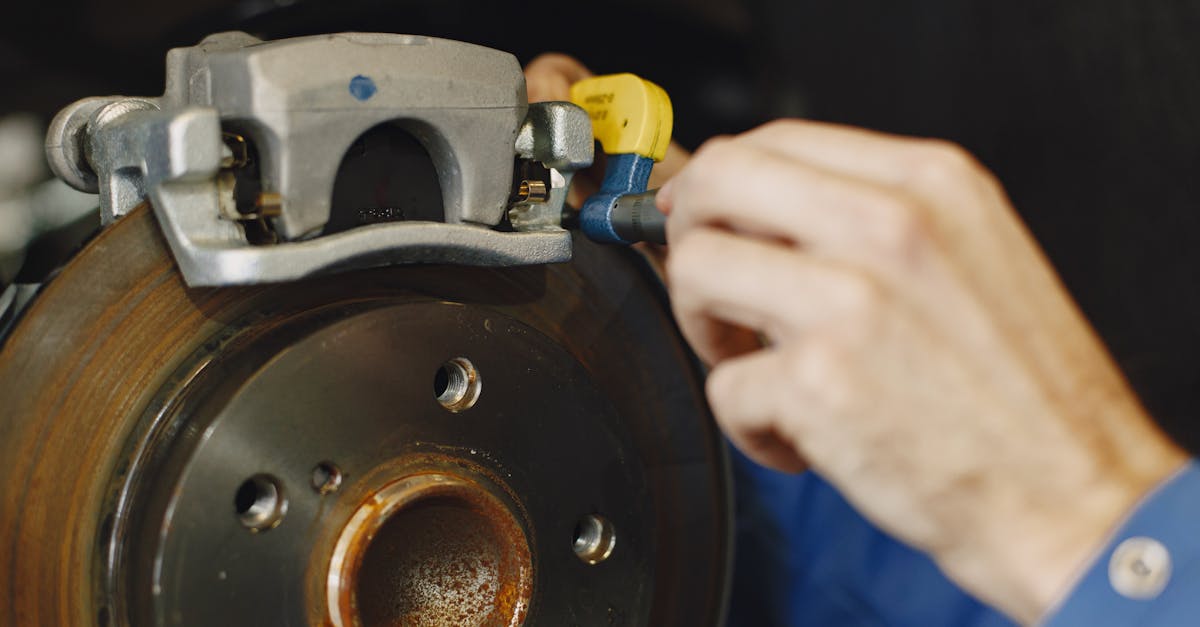
The standard interval assumes normal driving in moderate climates. Break from the schedule if:
You tow or drive aggressively. Repeated heavy braking generates heat. If you tow a trailer, haul down mountain grades, or track the car, change fluid every 18 months. Heat accelerates moisture absorption and drives the boiling point down faster. FMCSA brake standards for commercial vehicles recognize this—towing and heavy-duty use demand shorter fluid intervals.
You live in a very humid climate. Coastal areas, the Southeast, Pacific Northwest—anywhere humidity is routinely above 60%—see fluid degrade faster. A 2-year interval in coastal Georgia should be 18–20 months. Moisture absorption rates in humid climates can hit 3% contamination at 18 months vs. 24 months in dry climates.
The pedal feels different. Soft, spongy, or a pedal that sinks slowly to the floor when you hold it at a stoplight—these are symptoms of moisture contamination or air in the system. Get it checked within the week.
You bought the car used with unclear service history. If the seller can’t prove the last change, do it once as cheap insurance. $100–$120 buys you a known-good baseline and peace of mind.
The brake warning light is on. Could be fluid level, could be a sensor, could be a leak. Either way, see a pro immediately—fluid loss means worn pads or a hydraulic leak, both safety-critical.
What you can check yourself (and what you can’t)
Pop the hood and find the brake fluid reservoir—it’s a small translucent plastic container near the firewall, usually on the driver’s side. You can inspect it without opening the cap.
Look at the color. New fluid is clear to pale yellow. Amber or light brown is aging but serviceable. Dark brown or black means it’s overdue—moisture, heat, and dissolved brake-dust contaminants have cooked it.
Check the level. It should sit between MIN and MAX marks. Fluid drops slightly as brake pads wear (the caliper pistons extend, displacing fluid). A sudden drop or fluid below MIN suggests a leak or very worn pads. Either way, see a shop.
Do not open the cap. The moment you crack the seal, you introduce moisture from the air. Checking the fluid is a look-only job. If you need to top it up, that’s a symptom of a bigger problem—find the leak or replace the pads first.
This inspection is free if you do it during an oil change. Most techs check it as part of a standard multi-point inspection.
DOT 3 vs. DOT 4: what’s the difference and why it matters

Your vehicle specifies a fluid type in the owner’s manual and on the reservoir cap. Use exactly what’s listed. The types are not interchangeable.
According to NHTSA FMVSS 135 and SAE J1703 specifications:
-
DOT 3: Minimum dry boiling point 401°F, wet (3.7% water) 284°F. Standard for most passenger cars. Cheapest. Glycol-ether based, fully hygroscopic—absorbs roughly 1–2% moisture per year in typical conditions.
-
DOT 4: Minimum dry boiling point 446°F, wet (3.7% water) 311°F. Higher heat tolerance and slower moisture absorption rate than DOT 3. Used in performance cars, vehicles with ABS, and modern European makes. Costs $2–$5 more per quart. Still hygroscopic, but the higher wet boiling point buys more degradation headroom.
-
DOT 5 (silicone-based): Non-hygroscopic (doesn’t absorb water), but incompatible with DOT 3/4 systems. Rare; mainly classic cars and some motorcycles. Mixing DOT 5 with DOT 3/4 destroys seals and damages ABS components.
The boiling point gap between DOT 3 and DOT 4 matters most under sustained braking. DOT 3 fluid with 3% moisture contamination at 18 months sits near 290°F wet boiling point; DOT 4 at the same contamination level is around 320°F. On a mountain descent or repeated hard stops, that 30°F cushion is the difference between firm pedal and vapor lock.
Modern vehicles increasingly specify DOT 4 because ABS and stability control cycling generate more heat in the hydraulic system than older single-circuit setups. Check your cap and manual; using DOT 3 in a DOT 4 system voids warranty and risks brake fade.
Professional service vs. DIY: the real decision
Brake bleeding requires either a vacuum bleeder, a pressure bleeder, or a two-person manual process that’s easy to screw up. The risk is air in the lines. Air is compressible; you press the pedal and nothing happens. That’s a safety failure.
Professional shops use pressure bleeders that push new fluid through the system from the reservoir down, forcing old fluid and air out at the wheels. Doing it yourself with a hand pump or the two-person “pump and hold” method leaves air pockets, especially in ABS systems with complex valve bodies.
If you have prior brake experience, the right tools, and confidence bleeding ABS-equipped systems, a DIY fluid change costs $20–$40 in fluid. You’ll need:
- 2–3 quarts of the correct DOT fluid ($16–$45 total)
- A vacuum bleeder or pressure bleeder ($50–$150 if you don’t own one)
- Clear tubing and a catch bottle
- A way to dispose of hazardous waste ($5–$15 at a collection site)
That’s $20–$40 if you already own the bleeder, $70–$200 if you’re buying tools for the first time. For most owners, paying $100–$150 for professional service is cheaper than the tool investment and eliminates the risk of a botched bleed.
The second problem is disposal. Brake fluid is classified as hazardous waste in most states. You can’t pour it down a drain or toss it in the trash. Shops have contracts with waste haulers; you’d need to drive it to a hazmat collection site.
Bottom line: If you’ve never bled brakes before, don’t start with your daily driver. Pay the $100–$150. It’s not a place to save money, and a screwed-up brake bleed is how you end up with no pedal at the first stop sign.
Symptoms that mean the fluid is shot
Watch for these warning signs between scheduled services:
Soft or spongy pedal. You press, and it feels mushy or sinks slowly. This is moisture contamination or air. Could also be a leak or worn master cylinder, but fluid is the first check.
Brake fade under hard use. Pedal firmness decreases after repeated braking (long downhill, heavy traffic). The fluid is boiling; vapor bubbles are compressing instead of transferring force.
Longer stopping distances. You’re pressing harder to get the same result. This overlaps with worn pads, but dark fluid + longer stops = get it checked.
ABS or brake warning light. Modern cars monitor fluid level and pressure. A light means the system detected something wrong—could be fluid, could be a sensor, could be a deeper issue. Either way, it’s not a “check it next week” situation.
Any of these symptoms means stop driving and call a shop. Brakes are the one system where “I’ll get to it later” is how people get hurt.
When to call a professional
See a pro for scheduled service every 2 years—most owners should not DIY this. Beyond routine service, see a pro immediately if:
- Brake warning light or ABS light is on
- Pedal goes to the floor or feels soft
- Fluid reservoir is below MIN or empty
- You see fluid leaking under the car (brake fluid is slippery and hard to wash off pavement)
- Brake performance has changed—longer stops, pulling to one side, grinding noise
Brake problems don’t fix themselves, and they get expensive fast. A $120 fluid service beats a $1,200 repair after you’ve driven on bad fluid for a year.
FAQ
How often should I change my brake fluid?
Every 2 years for most vehicles, regardless of mileage. Some manufacturers allow 3 years, but 2 is the safer standard. Check your owner’s manual for your vehicle’s official interval, then treat it as a hard deadline—not a suggestion.
Can I just top up the brake fluid instead of changing it?
No. Topping up adds fresh fluid to old, contaminated fluid. The moisture and contaminants are already dissolved in the system; you’re not removing them. A top-up masks the symptom (low level) without fixing the cause (worn pads or degraded fluid). If your fluid is low, find out why before adding more.
What happens if I skip the brake fluid change?
Moisture-contaminated fluid boils under hard braking, creating vapor bubbles that compress instead of transferring hydraulic pressure. The pedal goes soft or to the floor, and brakes fade or fail. Long-term, water corrodes internal components—master cylinder, calipers, wheel cylinders—turning a $120 service into a $1,000+ repair.
Is DOT 4 better than DOT 3, and can I upgrade?
DOT 4 has a higher boiling point (446°F dry vs. 401°F for DOT 3) and degrades more slowly under moisture contamination. You can use DOT 4 in a system that specifies DOT 3, but never use DOT 3 in a DOT 4 system—you’ll lower the boiling point and risk brake fade. Check your manual and cap; stick to what’s specified unless a qualified tech confirms compatibility.
Brake fluid service is one of those maintenance items people skip because it’s invisible—until it isn’t. Two years is the limit, moisture doesn’t care about mileage, and $100 at an independent shop is the cheapest insurance you’ll buy for your car. Book it when you hit the interval, move it up if you tow or live somewhere humid, and unless you have brake experience and the right tools, leave the bleeding to a pro. This is the one system where cutting corners is how you end up in a ditch.
General information, not professional mechanical advice. Brake system work affects vehicle safety; consult a qualified technician for service and diagnosis specific to your vehicle.