
Your brake pads usually last 25,000–70,000 miles, but your driving style matters more than the odometer. A city driver braking every block wears pads twice as fast as someone cruising highways. Here’s the measurement threshold that matters, what worn pads actually cost you in stopping distance, and when a shop is overselling you.
The short answer
Replace brake pads when they measure 2–3 mm thick or less, when you hear the metal wear-indicator tab scraping the rotor, or when stopping distance noticeably increases. Below the 2 mm threshold, worn pads can add 8–12 feet to your stopping distance at highway speeds—enough to turn a close call into a collision. Typical lifespan is 25,000–70,000 miles depending on terrain, driving habits, and pad material.
Brake pad wear signs you can check yourself
Most modern vehicles give you three ways to catch worn pads before they damage the rotor.
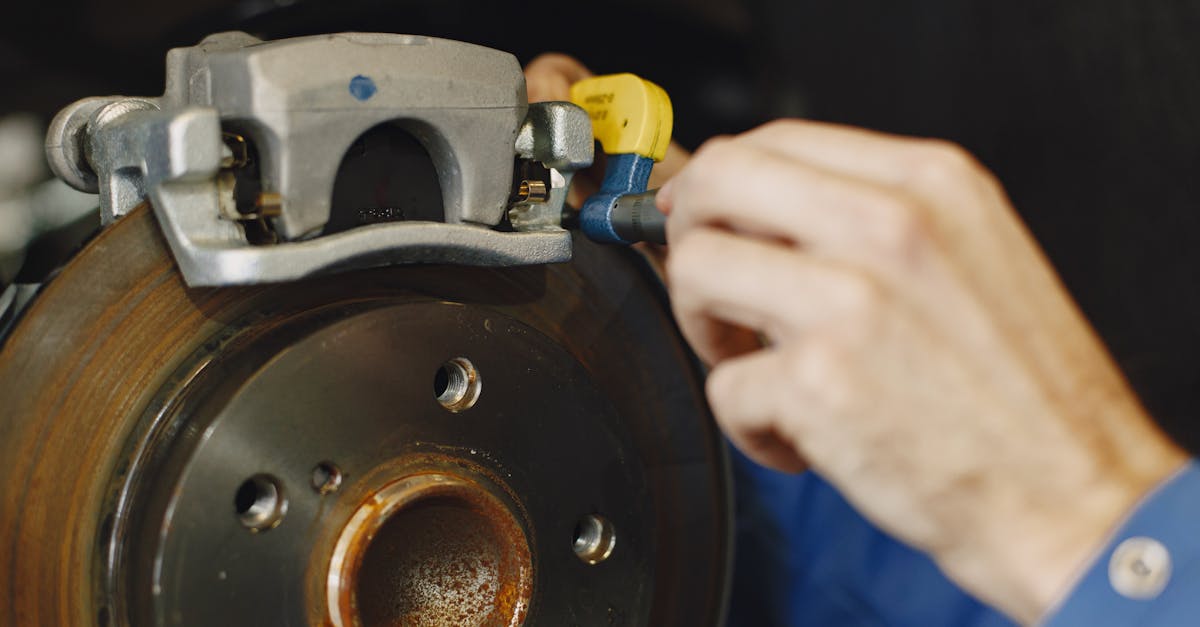
Visual inspection: Pull the wheel and look at pad thickness through the caliper. You’re good at 10 mm or more. Plan replacement in the next few weeks if you’re down to 5 mm. At 2 mm or less, you’re risking rotor damage—replace immediately. A mechanic can measure this during tire rotation; you can eyeball it if you’re changing your own wheels.
Mechanical wear indicator: That high-pitched squeal you hear when slowing down? It’s usually a small metal tab designed to rub the rotor when about 2 mm of pad remains. This is an intentional warning built into the pad, not a malfunction. The squeal tells you to schedule replacement in the next 500–1,000 miles, not that you’re unsafe right now—though you shouldn’t ignore it for weeks.
Performance cues: Longer stopping distance at the same pedal pressure, a “spongy” or lower-than-usual brake pedal, or needing to press harder for the same deceleration all signal worn pads. A spongy pedal can also mean brake fluid has absorbed moisture over 2–3 years, reducing hydraulic efficiency—easily confused with pad wear. If your brake fluid hasn’t been flushed in three years or 30,000+ miles and the pedal feels soft, the fluid may need replacement even if the pads are fine. Fresh fluid restores proper pedal feel and maintains your safety margin.
These inspection standards align with NHTSA vehicle safety guidelines and SAE International brake system maintenance protocols.
What worn pads actually cost you in stopping distance
Below 2 mm pad thickness, braking performance degrades measurably. Critically worn pads can add 8–12 feet to your stopping distance from 60 mph compared to pads in good condition—the difference between stopping short and rear-ending the car ahead. Heat dissipation drops, friction surface shrinks, and the caliper can’t apply even pressure to the rotor.
This degradation is gradual, so you may not notice day-to-day. But in an emergency stop, those extra feet matter. Replace at 2–3 mm; don’t wait for grinding.
What brake squeal actually means
Squealing brakes do not always mean imminent failure. Here’s how to decode the sound and decide whether to act now or later:
| Cause | Urgency | What’s happening |
|---|---|---|
| Wear indicator tab scraping rotor | Schedule soon | Pad is down to ~2 mm; plan replacement in 500–1,000 miles |
| Moisture or dust buildup | Low | Disappears after a few hard stops; normal after rain or car wash |
| Glazed pads from overheating | Medium | Extended downhill braking hardens pad surface; reduces bite |
| Semi-metallic pad material | Low | Some compounds are naturally noisier; cosmetic only |
| Loose caliper hardware | Low | Rattling shims or clips; can be dampened, not a wear issue |
| New ceramic pads bedding in | Low | First 100–200 miles; normal break-in squeal |
When squeal IS urgent: Squeal paired with reduced stopping power, soft pedal, or longer stopping distances means critically worn pads. A grinding sound—metal on metal—means rotor damage is already happening. Get to a shop immediately.
How long brake pads last in the real world
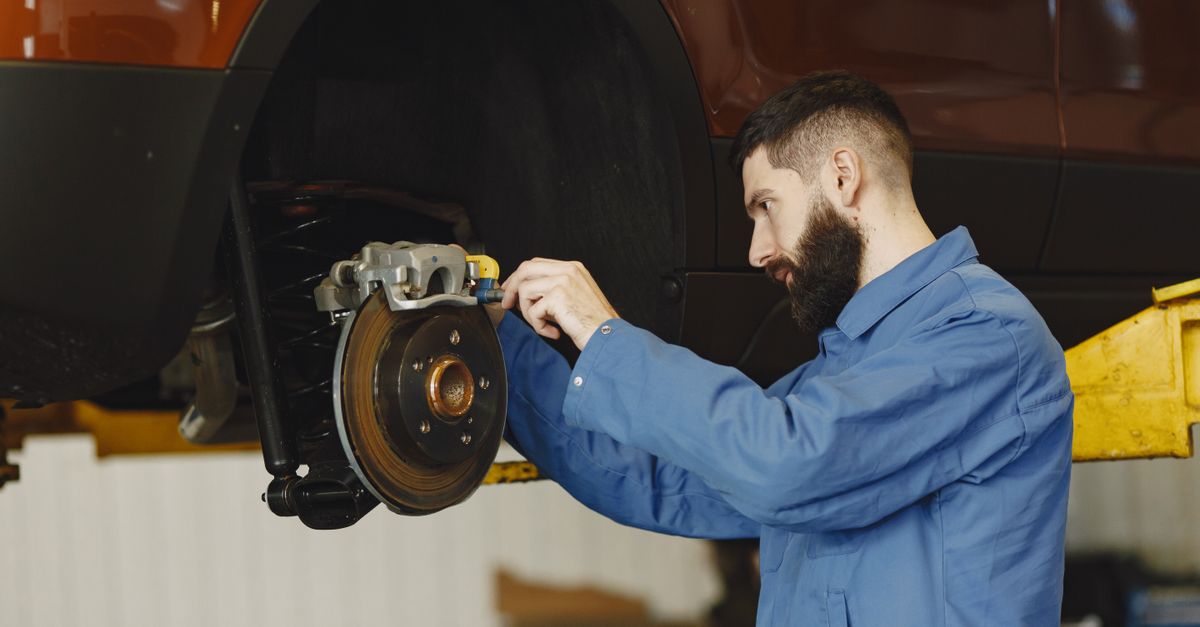
The 25,000–70,000-mile range isn’t a cop-out—it reflects actual variation in how people drive.
City driving (frequent stop-and-go): 25,000–40,000 miles. Every traffic light and stop sign wears the pads. Hilly cities like San Francisco shorten this further.
Highway driving (steady speed, light braking): 50,000–70,000 miles. Less heat, less friction, longer pad life.
Mountainous terrain: Shortens lifespan compared to flat regions. Riding the brakes downhill generates heat that wears pads faster.
Aggressive vs. gentle braking: Hard, late braking can wear pads two to three times faster than coasting to stops. If you’re the driver who accelerates hard and brakes hard, expect to replace pads on the shorter end of the range.
Pad material: Organic (non-asbestos) pads wear faster than semi-metallic. Ceramic pads last longest but cost more upfront. Your choice depends on whether you value longevity or lower initial cost.
Hybrids and EVs: Regenerative braking often extends pad life significantly, since the electric motor does much of the slowing. Some hybrid owners report 80,000+ miles on original pads.
What brake pad replacement costs
Expect $150–$400 per axle including labor, with regional and material variation.
By pad type (Kelley Blue Book):
- OEM pads (Toyota, Honda, Ford): $200–$350 per axle
- Aftermarket economy (Akebono, Bosch): $150–$250
- Premium ceramic (EBC, Hawk): $250–$450
By region (Edmunds):
- West Coast (CA, WA): $180–$380
- Midwest: $150–$300
- South: $140–$280
Add another $150–$300 per axle if the rotors need resurfacing or replacement—common if you’ve been driving on worn pads long enough to hear grinding.
Dealership labor typically runs higher than independent shops for the same work. The pads themselves are often identical or comparable in quality.
DIY replacement: feasibility by vehicle type
Replacing brake pads is a beginner-to-intermediate task if you have basic tools and mechanical confidence—but complexity varies by vehicle type. Brakes are safety-critical. Incorrect torque specs can cause caliper slippage and brake failure. If you’re unsure, don’t DIY.
| Vehicle type | DIY difficulty | Time estimate | Tools needed | Shop labor cost (to compare) |
|---|---|---|---|---|
| Japanese sedans/SUVs (Toyota, Honda, Mazda) | Low–Medium | 1–2 hours/axle | Standard socket set, torque wrench, jack stands | $80–$150/axle |
| Domestic trucks/SUVs (Ford, Chevy, RAM) | Low–Medium | 1.5–2.5 hours/axle | Same as above; larger fasteners | $100–$180/axle |
| German luxury (BMW, Mercedes, Audi) | Medium–High | 3–4 hours/axle | Specialty tools often required (e.g., caliper retraction tool, star bits); electronic parking brake reset | $150–$280/axle |
| Performance/sports cars (Porsche, Corvette, WRX) | High | 3–5 hours/axle | Advanced tools; may require brake fluid bleeding, ABS module reset | $200–$350/axle |
| Hybrids/EVs with integrated regen braking | Medium–High | 2–4 hours/axle | May need scan tool to disengage electronic brake modes | $120–$250/axle |
When DIY saves money: Japanese and domestic models on the simpler end. Realistic labor savings: $80–$180 per axle if you already own the tools. First-timers should double the time estimate.
When to skip DIY and go to a shop:
- German luxury or performance vehicles requiring specialty tools you don’t own
- Any vehicle with grinding sound (rotor damage; needs resurfacing or replacement)
- Brake fluid leaks (hydraulic system issue beyond pad replacement)
- You don’t own a torque wrench or aren’t comfortable working on safety systems
- Electronic parking brake or ABS system requiring scan-tool reset
DIY steps (for DIY-friendly vehicles)
Budget 2–3 hours per axle the first time.
You’ll need:
- Jack and jack stands (never work under a car supported only by a jack)
- Lug wrench and socket set
- Brake pads and hardware kit (clips, shims)
- Torque wrench—critical for caliper bolts; consult your vehicle’s manual for the exact specification
- Small amount of brake fluid for topping off the reservoir
Critical steps:
- Always replace both pads on the same axle together (both front or both rear), never one side only.
- Torque caliper bolts to the exact spec in your manual, not by feel. Under-torqued bolts let the caliper shift; over-torqued bolts can strip threads.
- If you disturbed brake lines, bleed the brakes to remove air from the hydraulic system.
- Brake fluid check: If your fluid is dark brown or hasn’t been changed in 3+ years, flush it during pad replacement. Old fluid absorbs moisture, lowering boiling point and causing spongy pedal feel. Fresh fluid ensures you’re getting full braking performance from your new pads.
- Test stopping power in an empty parking lot before driving normally.
When NOT to replace brake pads
Shops sometimes recommend replacement earlier than necessary. You do not need new pads just because:
- You’re getting tires rotated or an oil change (unless inspection shows <5 mm remaining)
- The vehicle hit a mileage interval (e.g., “every 30,000 miles”)—pad life varies too much for calendar rules
- You hear occasional squeal with no other symptoms (moisture, dust, and bedding-in squeal are cosmetic)
- The pads “look dirty” (surface rust and dust are normal)
Replace based on measurement and performance, not mileage milestones or cosmetic appearance.
FAQ
How do I know when my brake pads need replacing?
Check pad thickness (replace at 2–3 mm), listen for the wear-indicator squeal, and watch for longer stopping distances or spongy pedal feel. Most pads signal replacement between 25,000–70,000 miles depending on driving style. Below 2 mm, expect stopping distance to degrade by 8–12 feet at highway speeds.
Can I drive with squealing brakes?
Yes, if the squeal is from the wear-indicator tab and stopping performance feels normal. Plan replacement in the next 500–1,000 miles. Do not drive if you hear grinding (metal on metal) or notice reduced braking power.
Should I replace all four brake pads at once?
Replace both pads on the same axle (front or rear) together, but you don’t need to do all four unless all are worn. Front brakes wear faster than rear on most vehicles, so fronts typically need replacement first.
Does brake fluid affect pad performance?
Yes. Brake fluid absorbs moisture over 2–3 years, lowering its boiling point and causing a spongy pedal. If your fluid is old, you may feel reduced braking performance even with good pads. Flush brake fluid every 3 years or 30,000 miles, or when replacing pads if the fluid is visibly dark.
This is general information, not professional mechanical advice. Brake pad wear depends on vehicle type, driving conditions, and pad quality. If your brakes feel unsafe or you’re unsure about inspection results, have a professional mechanic inspect them immediately.
For related maintenance, see for service intervals by vehicle age, or for a DIY decision guide with safety context.