
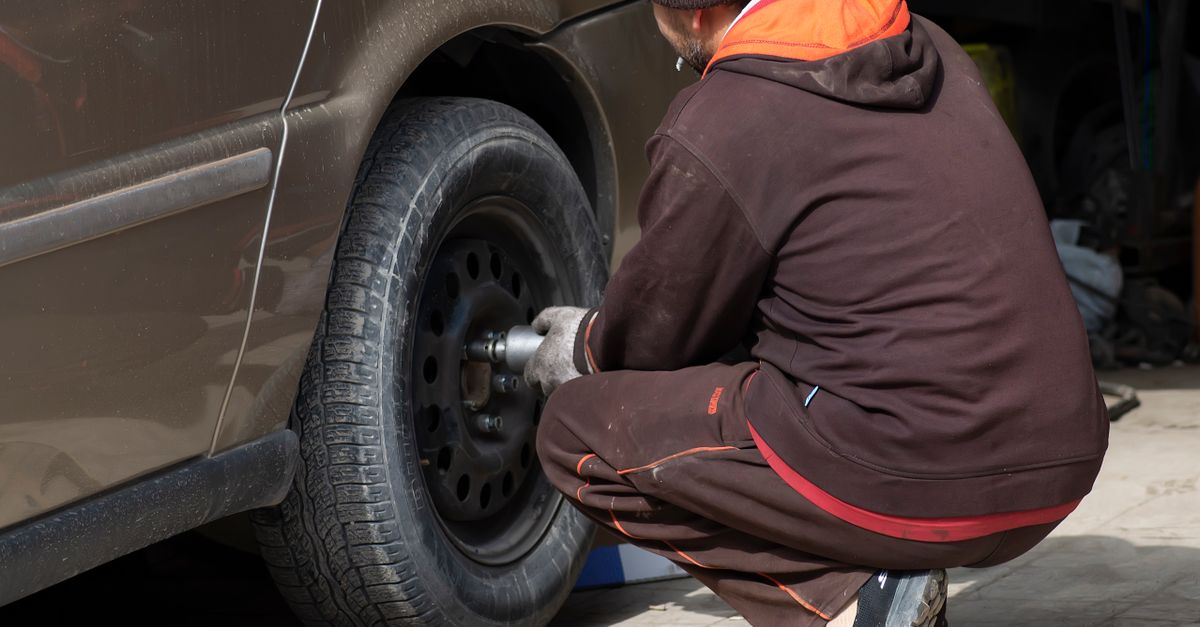
Most suspension noise comes from one of two components: worn struts or loose control arms. The sound tells you which one is failing before you call a shop. Clunking when you hit bumps points to struts losing their damping; clunking during slow-speed turns means control arm ball joints are wearing out. The repair costs differ, the urgency differs, and the DIY difficulty differs.
Quick verdict:
- Strut replacement is the best choice for clunking over bumps, bouncy ride feel, or visible oil leaking from the strut body
- Control arm replacement is the best choice for clunking during parking-lot turns, pulling to one side, or uneven tire wear
- Neither is always urgent — some noises can wait months; others need attention in 1–2 weeks
At a glance
| Factor | Strut Replacement | Control Arm Replacement |
|---|---|---|
| Typical cost (per axle/side) | $900–$2,000 per axle | $400–$800 per side |
| What fails | Internal seal → fluid loss → no damping | Ball joint loosens → alignment shifts |
| Noise pattern | Clunking over bumps/potholes | Clunking during slow turns |
| Typical lifespan | 50,000–100,000 miles | 70,000–150,000 miles |
| DIY feasibility | Low (needs spring compressor, alignment) | Medium (basic tools, alignment still needed) |
| Urgency if noisy | 1–2 weeks (affects stability) | 2–4 weeks (affects alignment/tire wear) |
| Best for | Bouncy ride, loss of control feel | Pulling, uneven tire wear, low-speed noise |
Strut replacement — best for bouncy ride and bump noise
Struts combine the spring and shock absorber into one unit. When the internal seal degrades, hydraulic fluid leaks out and the strut loses its ability to dampen the spring’s motion. You’ll feel the car bounce after hitting a bump instead of settling quickly. Later stages show visible oil on the strut body.
The noise is a metallic clunk or thud when you hit potholes or expansion joints. It happens because the piston inside the strut is slamming against its housing without fluid to slow it down. If you push down hard on one corner of the car and it bounces more than once, the strut on that corner is done.
Cost breakdown (per axle, both sides):
- Parts: $300–$800 (OEM $400–$800; quality aftermarket like Bilstein or KYB $300–$500)
- Labor: $300–$600 (2–3 hours; requires coil spring compression and specialty tools)
- Alignment: $100–$200 (recommended but not always required)
- Total: $900–$2,000 per axle
Regional variation is significant. Urban shops on the coasts and in major metro areas typically charge 20–50% more than rural or Midwest independents. Dealer service departments consistently charge more than independent shops for the same work. Luxury and performance vehicles add another 50%+ due to OEM-only parts and longer labor times.
Safety note: Worn struts reduce your ability to control the car during emergency lane changes or hard braking, particularly in wet conditions. Struts typically last 50,000–100,000 miles depending on road conditions and driving style (see Edmunds maintenance estimates). The longer you drive on failing struts, the more your braking distance increases and the less predictable steering becomes in emergency situations.
Strengths:
- Fixes bouncy ride and poor handling in one repair
- Quality aftermarket options (Bilstein, KYB) perform reliably at lower cost than OEM
- Improves braking stability and cornering confidence
Weaknesses:
- Expensive labor due to spring compressor requirement and time
- Almost always replaced in pairs (both sides of one axle), doubling the cost
- Not DIY-friendly unless you have experience and the right tools
Best for: Drivers noticing bouncy ride feel, clunking over bumps, or loss of stability during highway lane changes. If you see oil on the strut body, schedule the repair within 1–2 days.
Strut wear accelerates on pothole-heavy roads or if you regularly tow or haul heavy loads. Smooth-road commuters may reach 100,000 miles on original struts; rough-road drivers often need replacement at 60,000 miles. For more on condition-based maintenance timing, see more on car maintenance schedule by mileage: what’s real vs. upsell.
Control arm replacement — best for low-speed clunking and alignment issues
The control arm connects the wheel hub to the frame and includes a ball joint that allows the wheel to pivot during steering. Over time, the ball joint wears and develops play. You’ll hear a clunk or knock during slow-speed turns—parking lots, three-point turns, backing into a driveway. At highway speeds the noise is usually absent because the joint is under load and not moving.
Loose control arms throw off your wheel alignment, causing the car to pull to one side and creating uneven tire wear. If your front tires are wearing faster on the inside or outside edge, check the control arms before paying for an alignment that won’t hold.
Cost breakdown (per side, single control arm):
- Parts: $100–$300 (varies widely by vehicle; front-wheel-drive compact cars are cheaper than trucks)
- Labor: $250–$400 (1–2 hours)
- Alignment: $100–$200 (mandatory after control arm replacement)
- Total: $400–$800 per side
Control arms are cheaper than struts in parts cost, and labor is simpler because there’s no spring compression involved. You can replace one side at a time if the other side is still good—unlike struts, which should be done in pairs. Cost variation by vehicle type is real: compact front-wheel-drive sedans typically run $400–$600 total; trucks and SUVs with more complex suspension geometry often cost more per side (see RepairPal cost data).
Safety note: A failed control arm ball joint can separate from the steering knuckle, causing immediate loss of control. If the clunking is accompanied by a grinding or popping noise, or if the steering feels loose, have it inspected within 1–2 days.
Strengths:
- Lower parts cost than struts
- Can replace one side at a time if the other is intact
- Fixes alignment issues and prevents premature tire wear
Weaknesses:
- Alignment is mandatory after replacement, adding $100–$200
- If bushings are also worn, you may need the entire control arm assembly (more expensive)
- Failure mode can escalate quickly from annoying noise to safety risk
Best for: Drivers hearing clunking during parking-lot maneuvers, experiencing pulling to one side, or seeing uneven tire wear patterns. This is the repair to do before replacing tires if the wear is alignment-related—otherwise the new tires will wear unevenly too. See more on tire replacement cost by size and brand: real numbers.
Control arms typically last 70,000–150,000 miles, longer than struts but highly variable by driving conditions and vehicle weight (see KBB maintenance guides).
How to tell which one you need

Most shops will inspect both and upsell you on replacing everything. Here’s how to triage before you call:
If the noise happens when you hit bumps or potholes:
- Suspect: Struts
- Test: Push down hard on one corner of the car and release. If it bounces more than once, the strut is shot.
- Visual: Check for oil on the strut body (look inside the wheel well near the top of the tire)
If the noise happens during slow-speed turns:
- Suspect: Control arm ball joint
- Test: Turn the wheel fully to one side while parked and rock the car gently. Clunking or play indicates control arm wear.
- Visual: Jack up the front end and grab the tire at 3 and 9 o’clock. Rock it side to side. Excessive play points to control arm.
If the noise is a creak or squeak:
- Suspect: Sway bar links or bushings (separate, cheaper fix—usually $100–$300)
- Not covered in this comparison, but worth knowing so you don’t overpay for struts or control arms
If you’re not sure:
- Most independent shops will inspect for $50–$100 and show you the worn part before quoting the repair. Get this inspection before committing to the work.
DIY feasibility: control arms yes, struts no
I sold cars for nine years and heard every “I’ll just do it myself” plan. Here’s the honest breakdown.
Strut replacement at home:
- Requires a coil spring compressor ($40–$75 rental per day, or $150–$300 to buy)
- Requires specialty sockets and a torque wrench
- Risk: Spring compressor failure is dangerous. A compressed spring has tremendous force and can cause serious injury if the compressor slips. This is not a minor hazard.
- Alignment required afterward, which you can’t do at home
- Verdict: Not worth it unless you’ve done it before and have the tools. A mobile mechanic charges $100–$150 extra over a shop and eliminates the towing cost.
Control arm replacement at home:
- Basic socket set, jack, and jack stands
- 1–2 hours per side for an experienced DIYer
- Alignment required afterward (non-negotiable; budget $100–$200)
- Verdict: Feasible if you’re comfortable with jack safety and basic wrench work. Total tool cost if starting from scratch: $100–$200. Save $200–$300 in labor, so the math works if you plan to do other suspension work in the future.
For more DIY-friendly repairs that actually save meaningful money, see more on 7 common car repairs you can do yourself (and real cost savings).
When suspension noise is actually urgent
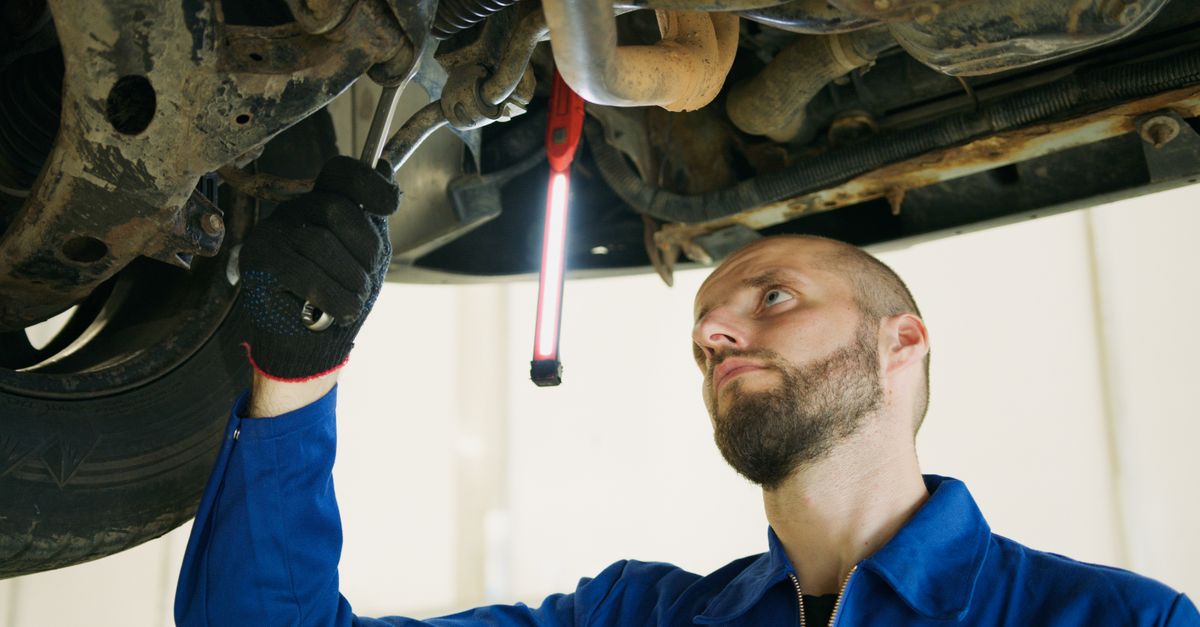
Not every clunk is a same-day emergency. Here’s the triage:
Fix within 1–2 days:
- Visible oil leaking from strut body
- Grinding or popping noise from control arm (ball joint may be separating)
- Steering feels loose or disconnected
Fix within 1–2 weeks:
- Clunking over bumps with bouncy ride feel (struts)
- Car pulls to one side and front tires are wearing unevenly
- Loss of stability during highway lane changes
Can wait 1–2 months (but don’t ignore it):
- Clunking during slow turns but no pulling or tire wear
- Creaking or squeaking (often sway bar links, not struts or arms)
Why the wait time matters: Worn struts don’t cause catastrophic failure, but they reduce your ability to control the car during emergency maneuvers. Worn control arms can escalate from annoying to dangerous if the ball joint separates. For context on how suspension wear affects braking, see more on brake pad replacement: when you really need new pads—worn struts increase stopping distance in wet conditions.
Regional cost reality
The ranges in this article are national averages from independent shops. Your actual quote will depend on where you live and where you take the car.
What affects your price:
- Urban shops in major metro areas typically charge more than rural shops
- Coastal cities and dense metro regions run higher than Midwest independents
- Franchise dealer service departments consistently charge more than independent shops for the same work
- Vehicle-specific complexity: trucks and SUVs often cost more than compact sedans
Example: A $600 labor quote in an Indianapolis independent shop might be $800–$1,000 in Boston or San Francisco for the same strut replacement. A dealer in your area might charge $1,200+ in labor for work an independent quotes at $600.
Get at least two quotes from independent shops before deciding. Dealers have higher overhead and less incentive to compete on price.
OEM vs aftermarket: where to save money
For struts: Quality aftermarket brands (Bilstein, KYB, Monroe) are reliable and cost less than OEM. Unless you’re keeping the car past 200,000 miles or prioritize handling feel (performance vehicles), aftermarket is the practical choice.
For control arms: OEM fit is tight, but aftermarket options work well for most drivers. Some aftermarket arms include upgraded bushings that last longer than OEM.
Where not to cheap out: Don’t buy no-name struts or control arms from discount auto parts stores. The parts fail early and you’ll pay labor twice.
FAQ
Can I replace just one strut instead of both?
Technically yes, but don’t. Replacing struts on only one side creates a handling imbalance—the car will lean and corner unpredictably. If one strut is worn enough to need replacement, the other side is close behind. Do both sides of the axle or plan to redo the work in 6–12 months.
Control arms are different: you can replace one side at a time if the other side is still tight.
Does replacing struts improve gas mileage?
No. Worn suspension does not meaningfully affect fuel economy. If a shop tells you this repair will save you money at the pump, they’re overselling.
How do I know if I need an alignment after the repair?
If you replaced a control arm, alignment is mandatory—the ball joint position affects camber and toe angles. If you replaced struts, alignment is recommended but not always required. Ask the shop to measure the alignment before and after. If the car wasn’t pulling before the repair, you may not need it.
General information, not professional mechanical advice. Suspension diagnosis and repair should be performed by a qualified mechanic. Costs vary by region, vehicle, and shop rates. This article reflects mid-2026 pricing and typical repair scenarios; your situation may differ. For specific diagnosis, consult a trusted independent shop or mobile mechanic.
Suspension noise is usually one of two things: struts or control arms. The sound and the cost are different, but both repairs are straightforward once you know which one you’re paying for. Get the diagnosis first, get two quotes, and don’t let a dealer talk you into replacing everything at once unless the inspection shows you actually need it.