
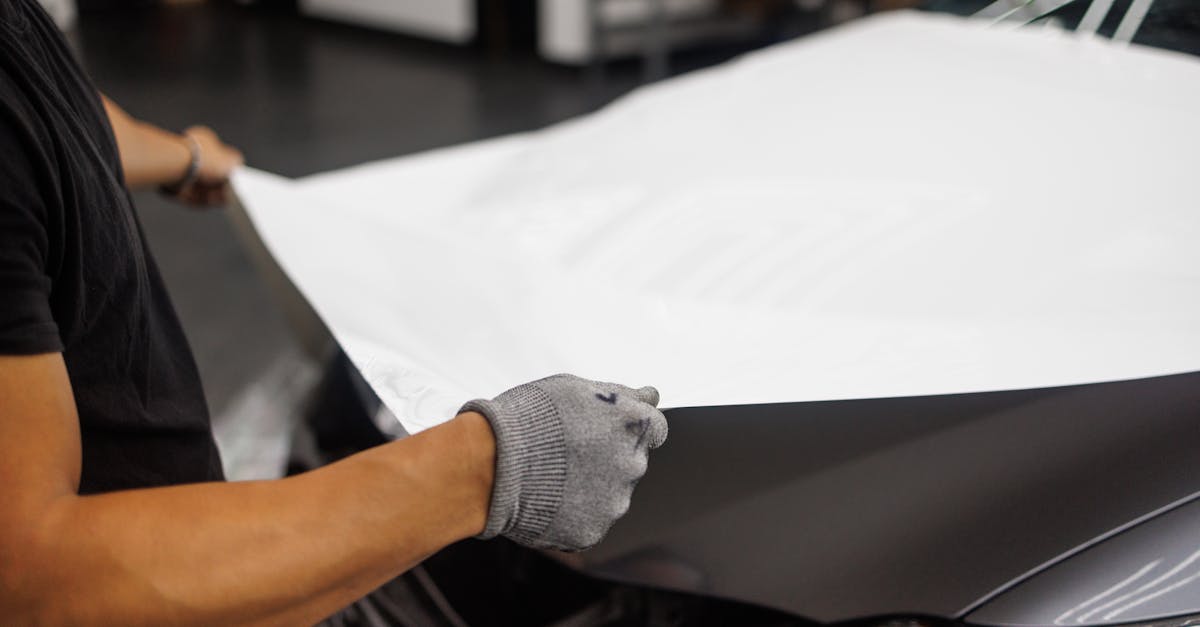
Paint protection film (PPF) runs $800 to $3,500 depending on coverage, and shops will tell you it lasts 10 years and self-heals like magic. The reality: durability depends heavily on your climate and how the car is parked, self-healing only works on hairline scratches, and whether PPF pays for itself comes down to three factors — what your vehicle is worth, how long you’re keeping it, and where you drive.
Here’s the short version: PPF is worth the cost if you’re protecting a higher-value vehicle ($25,000+) you plan to own for 5+ years in a climate with stone-chip risk, road salt, or harsh sun. It’s not worth it on economy cars you’re trading in 2-3 years, garage-kept vehicles with minimal driving, or when the installer has a sketchy reputation.
PPF cost and coverage options
| Coverage Area | Cost Range (2025) | Best For | What It Protects |
|---|---|---|---|
| Partial front (hood + fenders) | $400–$800 | Highway commuters, budget-conscious | High-impact zones only |
| Full front (hood, fenders, bumper, mirrors) | $800–$1,500 | Daily drivers, mixed highway/city | Most stone-chip exposure |
| Full body (entire painted surface) | $1,800–$3,500+ | High-value vehicles, harsh climates | Maximum coverage, resale protection |
Cost varies by vehicle size, regional labor rates, film brand (XPEL, 3M, Suntek), and how much paint prep is needed before application. The installer’s skill matters more than the film brand — bad application leads to bubbling, edge lift, and premature yellowing.
What PPF actually does (and what it doesn’t)
PPF is a 6–8 mil thermoplastic polyurethane (TPU) film with adhesive backing. It absorbs impact energy from rock chips, resists swirl marks during washing, and sheds environmental contaminants like tree sap and bird droppings.
What marketing overstates:
- “Self-healing”: Only works on micro-scratches (think light swirls from a car wash). Heat above 140°F can make hairline marks fade. Deep scratches, gouges, and rock chips do not heal — you’ll still see the damage or need to replace the damaged section.
- “10-year lifespan”: That’s the warranty, not the guaranteed real-world result. Actual durability ranges from 4–10 years depending on climate, UV exposure, and whether the car is garaged. More on that below.
What PPF doesn’t protect against:
- Hail damage, collision impacts, or deep key scratches
- UV fading of interior materials (that’s what window tint is for)
- Paint defects that were already there before installation
How long PPF lasts by climate
Climate affects PPF durability more than most installers will admit. The film degrades from UV exposure, heat cycling, road salt, and industrial pollution.
Real-world lifespans:
- Hot, sunny climates (Southwest, Southeast): 5–7 years. Increased yellowing risk, especially on pre-2015 TPU formulations. Covered parking adds 1–2 years.
- Coastal or freeze-thaw zones (Northeast, upper Midwest, Pacific coast): 4–6 years. Road salt and salt spray accelerate edge lift and base film degradation.
- Temperate, cloudy regions (Pacific Northwest): 7–10 years. Minimal UV exposure, moderate temps. Best-case scenario for longevity.
- Garaged vs. outdoor parked: Garaged vehicles can hit the upper end of these ranges; outdoor-parked cars trend toward the lower end.
Manufacturer warranties from XPEL and 3M typically run 10 years, but they require proper application and annual maintenance. Skip the maintenance, void the warranty.
PPF vs. ceramic coating
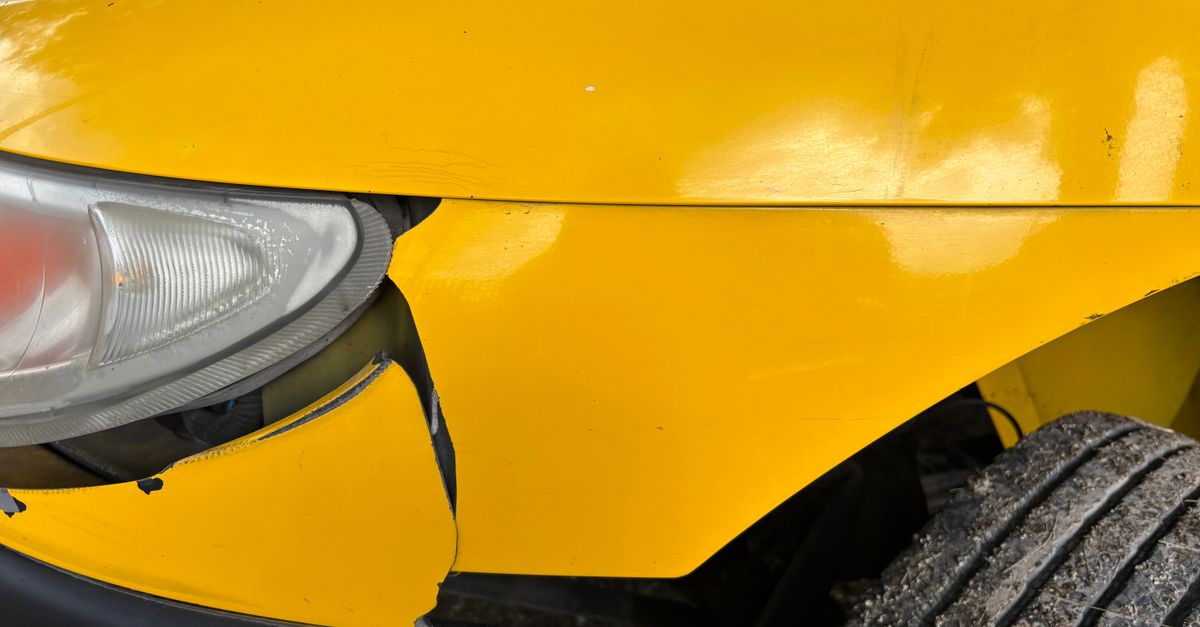
These aren’t competitors — they do different jobs, and some owners use both.
| Factor | Paint Protection Film | Ceramic Coating |
|---|---|---|
| Cost | $800–$3,500 (full body) | $400–$1,500 (professional) |
| Protects against | Impact, chips, scratches | UV, water spots, minor scratches |
| Durability | 5–10 years (climate-dependent) | 2–5 years (reapplication needed) |
| Self-healing | Limited (hairline scratches only) | None |
| Removal | Labor-intensive, $300–$800 | Can be stripped and reapplied |
| Best use | High-impact zones (hood, fenders, bumper) | Gloss/hydrophobic top coat, entire car |
Ceramic coating is a chemical bond that makes paint hydrophobic and easier to wash, but it doesn’t stop rock chips. PPF is a physical barrier that absorbs impacts but still benefits from a ceramic top coat to maintain hydrophobic properties and prevent edge lift.
For most owners: Full front PPF + ceramic coating over the rest of the car is the best balance of protection and cost.
When PPF pays for itself
Scenario 1: New or high-value vehicle, 5+ year ownership
- Vehicle: $40,000+ new car, plan to keep 5–7 years
- Driving: Mix of highway and urban; parked outdoors or uncovered lot
- Cost: $2,000 PPF (full front) + $400/year maintenance (resealing, light detailing) = $4,800 over 7 years
- Benefit: Prevents significant paint correction and touch-ups from stone chips and weathering
- Verdict: Worth it if you’re in a stone-chip or harsh UV climate
Scenario 2: Used vehicle under $20,000, short-term ownership
- Vehicle: $15,000 used sedan, plan to trade in 2–3 years
- Driving: Mostly short commutes, garage-parked
- Cost: $1,200 PPF (partial front)
- Benefit: Minimal stone-chip risk; garage parking reduces UV damage
- Verdict: Not worth it — cost doesn’t justify protection on low-value, short-term ownership
Scenario 3: Harsh climate (salt spray, industrial pollution, intense sun)
- Vehicle: Any value; driven regularly in coastal, industrial, or desert region
- Driving: Road salt, sand, ozone pollution exposure
- Cost: $2,500 PPF (full body) + $400/year maintenance = $4,500 over 5 years
- Benefit: Halts paint oxidation and staining from salt and pollution, potentially saving thousands in damage prevention on higher-value vehicles
- Verdict: Worth considering for vehicles $25,000+ in these climates
The pattern: PPF ROI improves with higher vehicle value, longer ownership, and harsher driving conditions. If any of those three are missing, the math tilts against it.
Maintenance and removal reality

Annual maintenance ($200–$400) is required to keep the film from degrading early:
- Resealing edges to prevent lift
- Removing contaminants (tar, sap) that bond to the film
- Inspecting for bubbling or adhesive failure
Skip this and you void the warranty. Neglected PPF can yellow, peel at the edges, and trap water underneath — which defeats the purpose.
Removal costs run $300–$800 for professional work. It’s labor-intensive (8–16 hours) but won’t damage paint if done correctly. DIY removal is possible with a heat gun and plastic scraper, but operator error can scratch or scuff the paint. If you’re not confident, pay the pro.
Does PPF add resale value? Not directly. A buyer won’t pay $2,000 more for a car because it has PPF. But PPF can reduce dealer reconditioning costs (fewer paint repairs needed), which may help you net more in a private sale or avoid trade-in deductions for paint damage.
When to skip PPF
Don’t install PPF if:
- The vehicle is worth under $20,000 and you’re keeping it less than 3 years
- It’s garaged, driven infrequently, and you live in a mild climate
- The installer has poor reviews or won’t show before/after photos of their work
- You can’t commit to annual maintenance (film will fail early)
- The paint already has swirls, scratches, or oxidation — PPF locks those in and makes them permanent
If you’re on the fence, start with partial front coverage ($400–$800) on the hood and fenders. That’s where 80% of stone chips happen, and you can always add more later.
FAQ
Does PPF turn yellow over time?
Older TPU formulations (pre-2015) had higher yellowing rates, especially in hot, sunny climates. Newer self-healing films (XPEL Ultimate Plus, 3M Scotchgard Pro) resist yellowing better but aren’t immune. Expect some yellowing after 5–7 years in high-UV areas; 7–10 years in temperate zones. Covered parking delays it.
Can I wash a PPF-protected car normally?
Yes, but avoid automatic car washes with stiff brushes — they can lift edges and cause swirls. Hand wash or touchless wash is safest. Use pH-neutral soap; harsh chemicals can degrade the adhesive over time.
Does insurance cover PPF damage?
Generally no. PPF is considered a cosmetic/preventative service. If the underlying paint is damaged in a collision, insurance covers repainting, but replacing the PPF is on you.
PPF is a tool, not a magic shield. It works when the cost aligns with your vehicle’s value, your ownership timeline, and the conditions you drive in. For most daily drivers in mixed climates, full front coverage hits the sweet spot — you protect the highest-risk zones without overpaying for coverage you don’t need. For economy cars or short-term ownership, skip it and put that money toward maintenance that actually keeps the car running.
When to see a pro: Always have PPF installed by a certified installer with verifiable reviews and portfolio photos. Poor application causes more problems than it solves — bubbling, edge lift, and premature failure. Get quotes from at least two shops and ask about their warranty on labor (not just the film warranty).
If you’re weighing PPF against other protective upgrades, covers rust protection for undercarriages — a different kind of long-term damage prevention with its own cost-benefit tradeoffs.
General information, not professional mechanical or financial advice. Costs, durability, and protection effectiveness vary by vehicle, region, film brand, and installer quality. Verify pricing and warranty terms with local shops before committing.